2025 Top Digital Trends in Power Quality Management System Insights
In the ever-evolving landscape of technology, 2025 promises to be a pivotal year for the power quality management system sector. As organizations strive to enhance the efficiency and stability of their electrical networks, understanding the emerging digital trends becomes critical. This article delves into the latest advancements and innovations that are shaping power quality management systems, offering valuable insights for professionals seeking to optimize performance and ensure reliability.
The integration of cutting-edge technologies such as artificial intelligence, machine learning, and the Internet of Things (IoT) is transforming the way businesses monitor and maintain their power quality. These digital trends not only improve operational efficiency but also ensure compliance with stringent regulations and standards. By embracing these innovations, organizations can proactively address power quality issues, mitigate risks, and enhance customer satisfaction.
Moreover, this exploration will provide practical tips and strategies that can be adopted by industry leaders to leverage these digital trends effectively. As we navigate through the complexities of power quality management, understanding these insights will empower organizations to make informed decisions and stay ahead in a competitive market. The future of power quality management systems is bright, and it is imperative to be prepared for the changes that lie ahead.
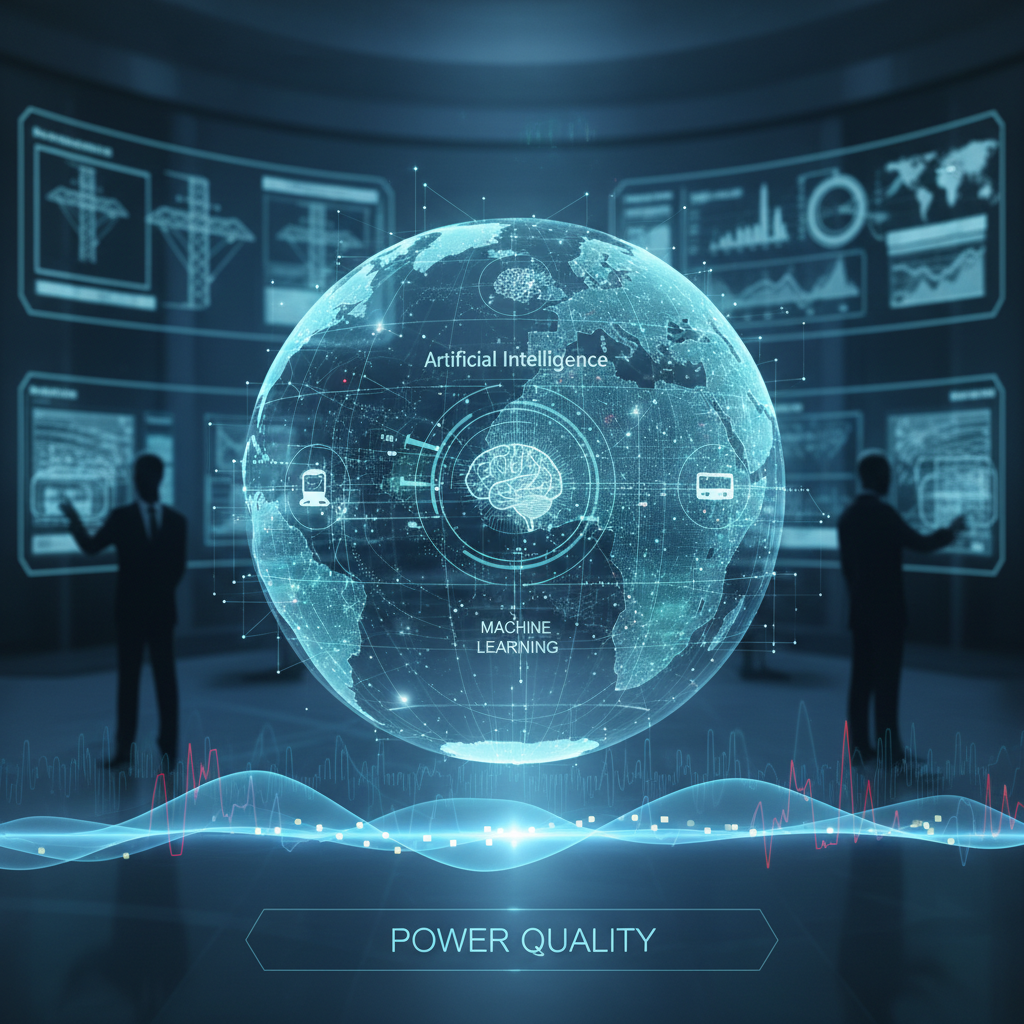
Top Digital Technologies Transforming Power Quality Management in 2025
As we look towards 2025, the landscape of power quality management is undergoing a transformative shift driven by advanced digital technologies. One of the key innovations reshaping this domain is the integration of artificial intelligence (AI) and machine learning. These technologies enable predictive analytics, allowing for real-time monitoring and analysis of power quality parameters. By identifying potential issues before they escalate, organizations can optimize their energy consumption and enhance the reliability of their power systems, significantly reducing operational costs.
Another major trend in 2025 is the implementation of Internet of Things (IoT) devices within power quality management systems. IoT solutions facilitate seamless data collection from various sources, providing a comprehensive view of the power network. This interconnected framework enables better decision-making and faster response times to anomalies, ensuring consistent power supply and quality. Furthermore, the convergence of IoT and cloud computing allows for enhanced scalability and flexibility, empowering businesses to adapt their power management strategies to fluctuating demands with greater efficiency.
2025 Top Digital Trends in Power Quality Management
The bar chart below illustrates the projected adoption rates of various digital technologies in Power Quality Management Systems by 2025. These technologies are vital for improving efficiency and reliability in electrical systems.
Leveraging AI and Machine Learning for Enhanced Power Quality Analysis
The integration of artificial intelligence (AI) and machine learning (ML) into power quality management systems is revolutionizing the way organizations analyze and enhance power quality. These technologies enable real-time data analysis, allowing for immediate identification of power quality issues such as voltage sags, harmonics, and transient events. By employing sophisticated algorithms, AI can predict potential power disturbances before they manifest, thereby facilitating proactive maintenance and minimizing downtime.
Furthermore, machine learning enhances the adaptability of power quality management systems. By processing historical data and learning from previous occurrences, ML models can identify patterns and anomalies with increasing accuracy over time. This predictive capability not only aids in optimizing energy consumption but also supports regulatory compliance by ensuring consistent power quality.
By leveraging AI and ML, organizations can achieve a more resilient power infrastructure, contributing to sustainability goals while enhancing operational efficiency and reducing costs.
Integrating IoT Solutions for Real-Time Monitoring of Power Quality Metrics
The integration of IoT solutions into Power Quality Management Systems (PQMS) is transforming how organizations monitor and manage their energy quality metrics. Real-time monitoring enabled by IoT devices offers a level of granularity and responsiveness previously unattainable. Sensors embedded in the electrical infrastructure can continuously collect data on variables such as voltage stability, frequency variations, and harmonic distortions. This persistent stream of data allows for immediate detection of anomalies and triggers automated responses to mitigate potential issues, ensuring a higher standard of power reliability.
Furthermore, IoT-driven analytics not only facilitate real-time assessments but also enhance predictive maintenance strategies. As historical patterns are analyzed, utilities can forecast potential power quality disruptions before they occur, minimizing system downtime and optimizing resource allocation. The use of cloud computing and machine learning algorithms further augments this capability, allowing for smarter decision-making processes that adapt to changing conditions in the energy landscape. This seamless integration reinforces the significance of proactive power quality management, ultimately leading to operational efficiency and reduced costs in energy consumption.
The Role of Big Data Analytics in Predictive Power Quality Management

In 2025, the integration of big data analytics into power quality management systems is poised to transform how organizations monitor and enhance their electrical environments. By leveraging vast amounts of data collected from various sources, utilities and industries can identify patterns and anomalies in power quality in real-time. This proactive approach allows for timely interventions to prevent potential disruptions, resulting in improved operational efficiency and reduced downtime.
Moreover, predictive analytics empowers stakeholders to forecast power quality issues before they arise. With advanced algorithms analyzing historical and live data, organizations can implement condition-based monitoring and maintenance strategies. This shift not only minimizes the risk of equipment failure but also optimizes energy consumption and prolongs asset lifespan. As big data analytics continues to evolve, its role in predictive power quality management will be instrumental in fostering a more resilient and efficient energy landscape.
Exploring Regulatory Trends Impacting Power Quality Standards by 2025
As we move towards 2025, the regulatory landscape surrounding power quality management systems is evolving rapidly, driven by increasing demands for sustainability and reliability in energy consumption. According to the International Electrotechnical Commission (IEC), the global market for power quality equipment is projected to reach $5.83 billion by 2025, reflecting a compound annual growth rate (CAGR) of 6.9%. This growth is largely influenced by stricter regulatory standards aimed at minimizing power disruptions and enhancing energy efficiency across various industries.
The rise of smart grids and renewable energy sources is prompting regulators to impose more stringent power quality standards. The IEEE 519 standard, for example, has become crucial in guiding industries on harmonics and voltage fluctuations. Furthermore, the European Union's Ecodesign Directive is setting ambitious energy efficiency goals that further emphasize the need for advanced power quality management systems. These standards are not merely compliance checkpoints; they are integral in fostering innovation and competitiveness within the power sector, ensuring that companies are equipped to handle the complexities of modern energy systems while meeting regulatory expectations.
2025 Top Digital Trends in Power Quality Management System Insights
| Trend |
Impact Area |
Expected Outcome by 2025 |
Regulatory Influence |
| AI and Machine Learning |
Predictive Maintenance |
Reduced Downtime |
Enhanced Compliance Monitoring |
| IoT Integration |
Real-time Data Collection |
Improved Power Quality |
Stricter Quality Standards |
| Digital Twin Technology |
System Simulation |
Enhanced Decision Making |
Regulatory Compliance Efficiency |
| Blockchain Technology |
Transparency and Security |
Greater Trust in Data |
Support for New Regulations |
| Advanced Analytics |
Data Insights |
Optimized Energy Usage |
Adaptation to Policy Changes |
 Employee Login
  Contractors Induction