2026 Best Electrical Supply Systems for Efficient Power Management?
In today's world, efficient power management is crucial. The demand for reliable energy sources is ever-increasing. Electrical supply systems play a vital role in meeting this need. By optimizing power distribution, these systems can reduce waste and improve functionality.
However, not all electrical supply systems are created equal. Some may lack the adaptability required for modern applications. This can lead to inefficiencies and increased costs. It is essential to assess different systems to find the most effective solutions.
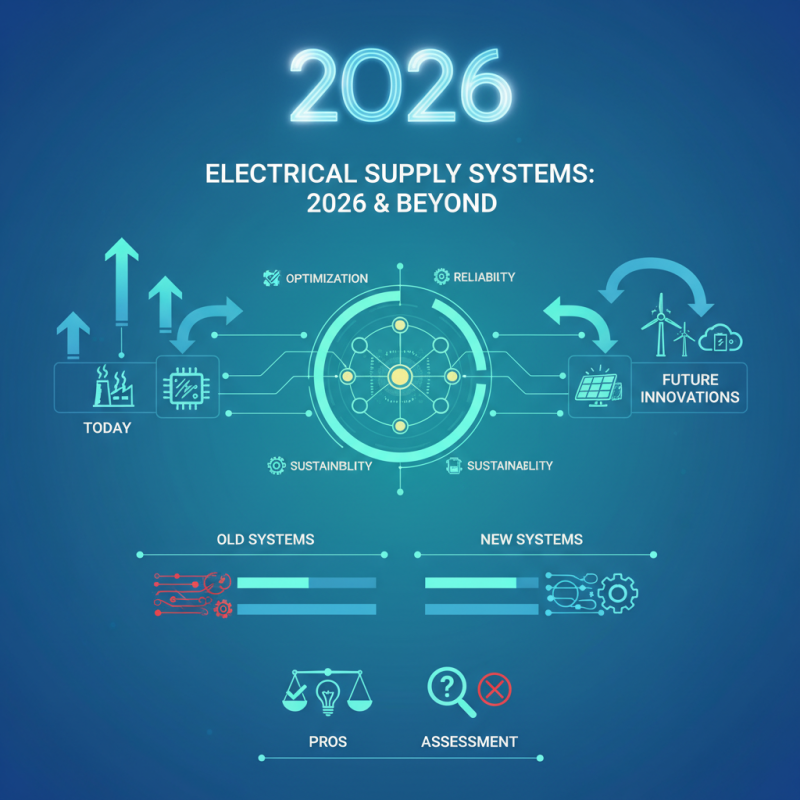
Looking towards 2026, innovations in electrical supply systems promise significant advancements. New technologies will focus on sustainability and reliability. As we explore these options, it's vital to consider what works and what doesn't. Each system must be evaluated on its own merits, as not every solution aligns with specific requirements.
Overview of Electrical Supply Systems for Efficient Power Management
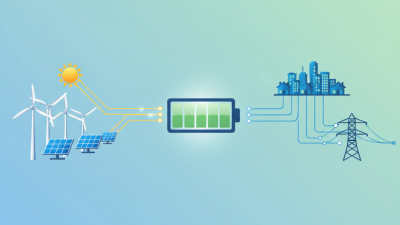
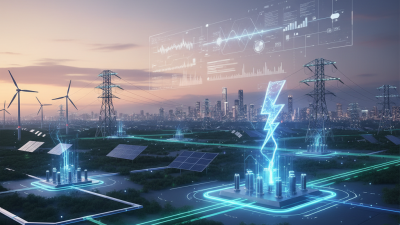
Efficient power management relies heavily on advanced electrical supply systems. These systems optimize energy distribution within buildings and industrial facilities. Integration of renewable energy sources is becoming critical in this landscape. Solar panels, wind turbines, and storage batteries can work together. Yet, challenges arise in maintaining balance and reliability.
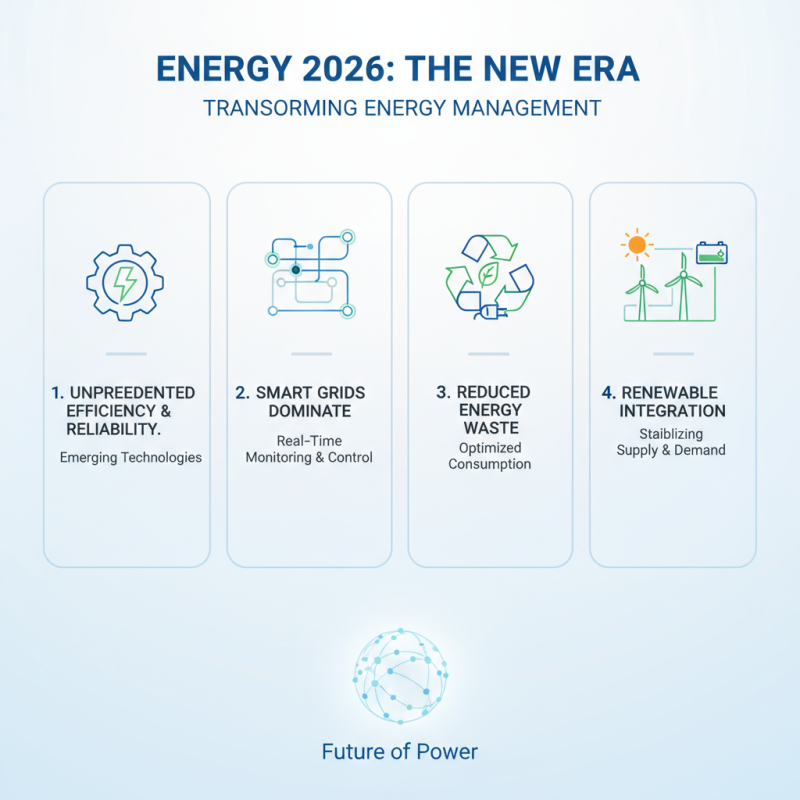
One growing area of interest is smart grid technology. It allows for real-time monitoring of energy consumption. This technology uses sensors and AI to predict energy needs. However, implementing smart grids can be complex. Infrastructure upgrades and user adaptation are often required. Many organizations find this transition difficult.
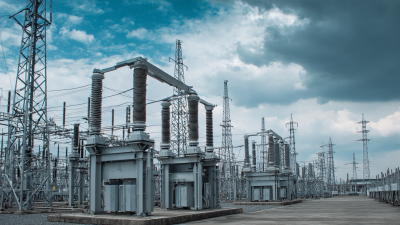
Another consideration is energy efficiency in traditional systems. Many older electrical systems waste energy. These systems require updates to meet modern standards. Retrofitting can be costly but necessary. Exploring innovative solutions can yield significant savings in the long run. Adapting systems to new technologies isn’t flawless, but it's essential for sustainable power management.
Key Components of Efficient Electrical Supply Systems
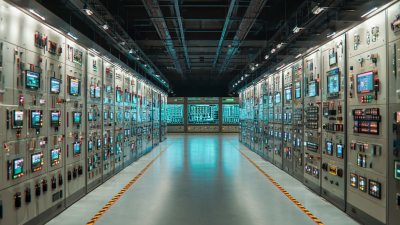
Efficient electrical supply systems are crucial for effective power management. The key components include transformers, circuit breakers, and energy meters. Transformers help adjust voltage levels. They ensure the right amount reaches end users. According to a report by the Electric Power Research Institute, poor transformer efficiency can cause losses up to 10% in energy distribution.
Circuit breakers serve as safety devices. They prevent overloads and protect equipment. An IEEE study noted that outdated circuit breakers can lead to increased operational costs. It suggests that upgrading to newer technology can save up to 15% in energy expenses annually.
Energy meters track consumption patterns in real time. They help in identifying areas for improvement. A report from the International Energy Agency indicates that better monitoring can reduce energy waste by at least 5%. Recognizing inefficiencies allows businesses to adjust their strategies. Efficient systems require an ongoing reassessment of components. Many are stuck in traditional methods, missing out on savings. Invest in modern technology, and you could see substantial improvements.
2026 Best Electrical Supply Systems for Efficient Power Management
| Component |
Function |
Efficiency Rating |
Key Features |
Typical Usage |
| Transformers |
Voltage conversion and regulation |
98% |
Low loss, compact design |
Industrial and commercial power distribution |
| Circuit Breakers |
Protection against overload and short circuits |
95% |
Automatic reset, quick response |
Residential and commercial buildings |
| Wiring and Cables |
Conduct electricity effectively |
Varies by type |
High durability, low resistance |
All electrical installations |
| Power Distribution Units (PDUs) |
Distribute power to multiple devices |
99% |
Smart monitoring, versatile connections |
Data centers and server rooms |
| Energy Management Systems |
Monitor and optimize energy usage |
Varies |
Real-time analytics, integration with IoT |
Commercial buildings and industrial plants |
Best Practices for Power Management in Electrical Supply Systems
Power management in electrical supply systems is crucial for efficiency and sustainability. Many facilities face challenges. According to a recent report from the International Energy Agency (IEA), power losses in electrical systems can account for up to 8% of total energy consumption. This highlights the need for advanced management practices.
Implementing smart metering technology can significantly reduce energy waste. It provides real-time data on energy usage. Facilities can adjust their consumption based on this data. Furthermore, integrating renewable energy sources can lower dependence on non-renewable resources. However, shifting to renewables may pose initial investment challenges that require careful evaluation.
Training staff is equally vital. A well-informed team can identify and mitigate inefficiencies. Many organizations overlook the human element of energy management, which can lead to larger issues. Continuous improvement is essential in manufacturing, where an estimated 25% of energy costs are attributed to outdated systems. Engaging employees in energy-saving initiatives can foster a culture of accountability and innovation.
Future Trends in Electrical Supply Design and Energy Efficiency
The future of electrical supply design emphasizes energy efficiency. Many industries seek alternatives to traditional systems. A report by the International Energy Agency states that energy efficiency measures could reduce global electricity demand by 10% by 2025. This figure highlights the urgency to adopt innovative solutions.
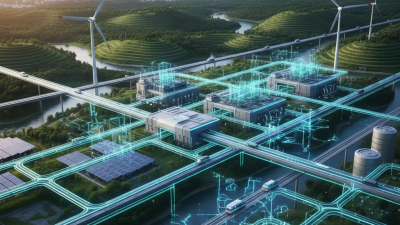
Smart grids are a growing trend in the electrical supply framework. These systems enhance reliability and optimize energy consumption. For instance, automated energy management can lead to reductions in peak demand by up to 30%. Despite these advantages, the integration of smart technology poses challenges, such as cybersecurity threats and maintenance costs.
Furthermore, renewable energy sources are increasingly becoming integral to electrical supply systems. The transition to solar and wind power offers considerable benefits, but it also requires careful planning. For example, fluctuations in energy generation can lead to supply instability. Industry experts emphasize the need for research and development to address these issues effectively. This ongoing shift calls for a relentless pursuit of improvement in design and efficiency.
 Employee Login
  Contractors Induction