What is the Aeration Process in Wastewater Treatment?
The Aeration Process In Wastewater Treatment is crucial for enhancing water quality. According to the Environmental Protection Agency (EPA), approximately 85% of wastewater treatment plants in the U.S. employ aeration methods. This process introduces air into wastewater to stimulate microbial activity, effectively breaking down organic pollutants.
Dr. Emily Martinez, an expert in water resource management, emphasizes, “The aeration process in wastewater treatment is a cornerstone of modern sanitation practices." Her insights reflect industry standards and underline the importance of aeration for meeting regulatory requirements.
Challenges remain in optimizing this process. Many facilities struggle with energy consumption and aeration efficiency. Implementing advanced aeration technologies is essential to address these issues. Continuous improvement is necessary to ensure a sustainable future. Balancing between effectiveness and environmental impact is a pressing concern.
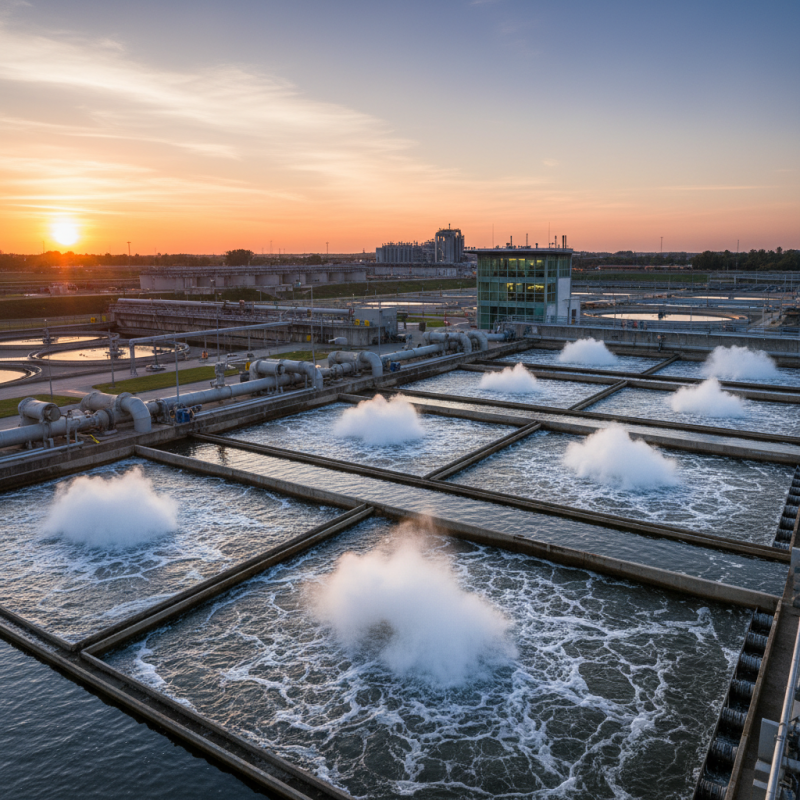
Overview of Aeration in Wastewater Treatment Systems
Aeration is a critical step in wastewater treatment systems. It involves introducing air into the water, which encourages the growth of beneficial bacteria. These microorganisms break down organic matter, removing pollutants effectively. According to the U.S. Environmental Protection Agency (EPA), aeration can reduce biochemical oxygen demand (BOD) by over 90%. This efficiency highlights aeration's vital role in maintaining environmental standards.
The process can be achieved through various methods. Activated sludge systems remain the most common. They utilize aeration tanks and clarifiers, allowing for effective separation of solids and treated water. In contrast, sequencing batch reactors (SBR) create a more flexible treatment process. They allow for operational changes based on influent variations. However, SBR can sometimes lack the efficiency of traditional systems when faced with fluctuating loads.
A significant challenge in aeration is energy consumption. Aeration can account for up to 50% of a facility's energy use. This raises sustainability concerns. Innovations in technology may help mitigate these issues. For instance, advanced aeration control systems can optimize air supply based on real-time needs. Despite these advancements, ongoing research is essential to continually improve aeration methods and reduce their environmental footprint.
Aeration Process in Wastewater Treatment
This bar chart provides an overview of the aeration process efficiency in wastewater treatment systems, highlighting key performance indicators such as Dissolved Oxygen levels, BOD reduction, nutrient removal, and TSS reduction.
The Importance of Aeration in Biological Treatment Processes
Aeration is a crucial step in wastewater treatment, particularly in biological treatment processes. It involves introducing air into wastewater. This enhances the growth of bacteria that consume organic matter. Effective aeration can lead to improved treatment efficiency and better water quality.
The importance of aeration lies in its ability to facilitate aerobic digestion. In this process, microorganisms break down pollutants while producing energy. However, achieving optimal aeration can sometimes be challenging. Factors like aeration rate and tank design can impact the success of this step. Too much aeration can lead to excessive foam and energy waste. Conversely, insufficient aeration might not provide enough oxygen for bacteria to thrive.
As we explore aeration, it's essential to recognize its role in reducing pollutants. Proper aeration helps in controlling odors and improving the overall quality of treated water. Yet, continuous monitoring is necessary. Systems may need adjustments over time. Understanding the dynamics of aeration is vital for improving wastewater treatment effectiveness. This engagement reflects the ongoing need for refinement and adaptation in biological treatment methods.
Types of Aeration Methods Used in Wastewater Treatment
Aeration is a critical step in wastewater treatment, promoting the breakdown of organic matter. There are various aeration methods used in this process, each with its own advantages. Understanding these methods can enhance treatment efficiency and reduce environmental impact.
The most common aeration methods include surface aeration, which uses mechanical devices to introduce air. This method is effective but can be energy-intensive. Another popular option is diffused aeration. It employs fine bubble diffusers located at the bottom of a treatment tank. This approach offers improved oxygen transfer and can be more efficient, although it may require more maintenance.
Membrane aerated biofilm reactors (MABR) represent an innovative method that uses membranes for aeration. This technology can lower energy costs and improve performance. However, it demands careful monitoring and maintenance. Each aeration method has its pros and cons, encouraging operators to explore beyond traditional systems. Adapting to specific conditions in wastewater treatment facilities is essential for optimal results.
Factors Affecting Aeration Efficiency and Performance
Aeration is a crucial step in wastewater treatment. It helps in oxygenating the water and promotes the growth of aerobic microorganisms. These microbes break down organic pollutants effectively. However, aeration efficiency can vary due to multiple factors.
One significant factor is the design of the aeration system. Different systems, like surface and subsurface aerators, offer varying oxygen transfer rates. Their effectiveness depends on how well they mix air with water. Another important aspect is the water temperature. Warmer temperatures can improve microbial activity, but they also increase oxygen demand. This creates a balance that must be managed.
The presence of impurities can also affect performance. Heavy metals or toxic substances can harm microorganisms. This reduces the overall efficiency of aeration. Additionally, the complexity of wastewater, including its chemical composition, can lead to unpredictable outcomes. Careful monitoring is key to adjusting and optimizing the aeration process. Understanding these factors is essential for improving wastewater treatment outcomes.
Monitoring and Controlling Aeration Processes in Treatment Facilities
Monitoring and controlling aeration processes in wastewater treatment facilities is essential for effective operation. Aeration is crucial in promoting biological processes to break down organic material. Studies indicate that optimizing oxygen levels can lead to a 30% increase in treatment efficiency. However, it is not without challenges.
Inadequate aeration can result in the accumulation of sludge, affecting treatment efficiency. Furthermore, excessive aeration can lead to energy wastage. Effective monitoring systems can help mitigate these concerns. Using real-time data and analytics allows operators to adjust oxygen levels dynamically, ensuring they maintain optimal conditions for microbial activity.
Tips: Regular maintenance checks are vital for aeration equipment. Keeping up with equipment health can prevent unexpected failures.
Moreover, integrating automated controls can significantly enhance efficiency. Research shows that facilities using automation reduce energy costs by up to 25%. Balancing aeration is a continuous process. It requires operators to stay vigilant and adaptable. A flexible approach to adjustments is essential for sustaining treatment effectiveness.
What is the Aeration Process in Wastewater Treatment? - Monitoring and Controlling Aeration Processes in Treatment Facilities
| Parameter | Description | Measurement Unit | Typical Values |
| Dissolved Oxygen (DO) | Amount of oxygen dissolved in wastewater | mg/L | 2 - 8 |
| Aeration Rate | Volume of air supplied to the treatment process | m³/h | 50 - 200 |
| Mixed Liquor Suspended Solids (MLSS) | Concentration of suspended solids in the mixed liquor | mg/L | 2000 - 4000 |
| Aeration Basin Depth | Depth of the aeration basin | meters | 3 - 6 |
| Temperature | Water temperature during treatment | °C | 10 - 30 |
 Employee Login
  Contractors Induction