Top 10 Benefits of Switchgear in Power System Efficiency?
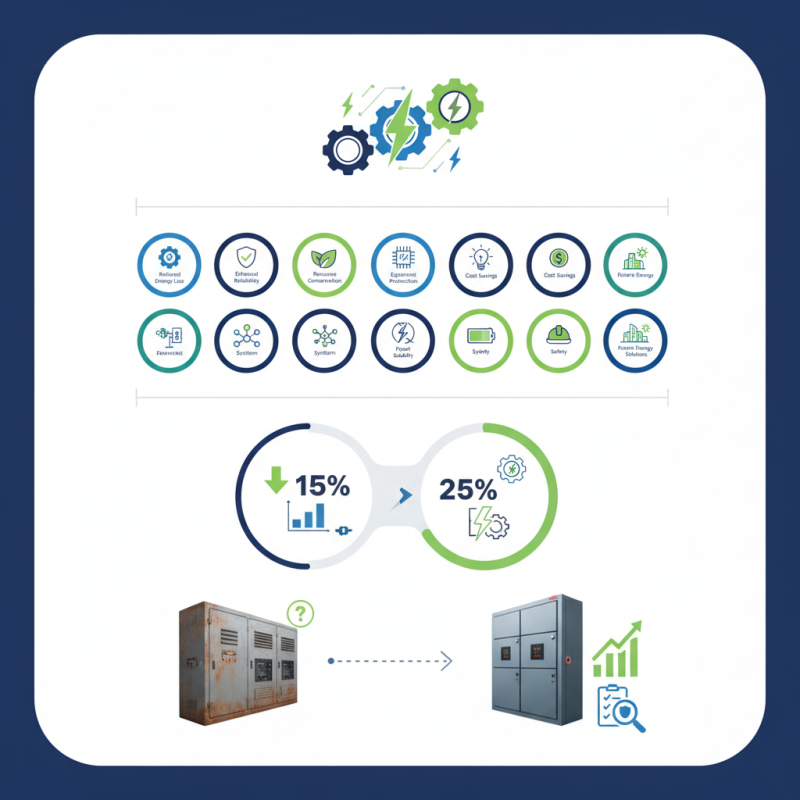
The efficiency of power systems relies heavily on the performance of switchgear. According to the International Energy Agency (IEA), optimizing switchgear can reduce energy losses by up to 15%. This not only conserves resources but also enhances system reliability. Thomas Reilly, a leading expert in the field, once stated, "Effective switchgear management is vital for future energy solutions."
Switchgear in power system design plays a crucial role in managing electrical currents. It protects circuits from overloads and faults, which can cause significant damage. As reported by the IEEE, faulty switchgear accounts for 25% of power outages, highlighting the importance of maintaining high operational standards.
However, the industry often grapples with outdated equipment and maintenance challenges. Many companies overlook the need for regular inspections and upgrades. This oversight can lead to inefficiencies and safety concerns. In an evolving energy landscape, it is essential to address these gaps and recognize the pivotal role of switchgear in enhancing power system efficiency.
Understanding Switchgear: Definition and Function in Power Systems
Switchgear plays a crucial role in power systems. It serves as a protective device that controls, protects, and isolates electrical equipment. Understanding its function is vital for optimizing efficiency in energy distribution. According to the International Energy Agency, improper switchgear performance can lead to 20% energy loss in a system.
Switchgear consists of various components, including circuit breakers, fuses, and switches. These elements work together to manage electrical flow effectively. They minimize interruptions and ensure safety during maintenance. Studies indicate that modern switchgear can reduce operational cost by up to 15%. Despite these benefits, many systems still use outdated switchgear, which hampers efficiency.
Implementation challenges exist. Switching to advanced switchgear requires investment and training. Some regions face a lack of qualified personnel. Moreover, the installation process can disrupt existing operations temporarily. While these obstacles may seem daunting, the potential gains in reliability and efficiency make this transition worth considering. Reports reveal that upgraded equipment results in fewer outages and reduced maintenance costs over time.
Enhancing Reliability: The Role of Switchgear in Power Distribution
In power distribution, switchgear plays a vital role in enhancing reliability. It serves as the brain of the system, ensuring smooth operation amidst voltage fluctuations.
With the growing demand for electricity, uninterrupted service is crucial. Switchgear protects electrical circuits, preventing overloads and short circuits. This reduces downtime and increases system efficiency.
Tip: Regular maintenance helps ensure your switchgear operates optimally. Inspect connections and clean components to avoid potential failures.
Furthermore, switchgear facilitates quick fault isolation. When a problem occurs, it can quickly disconnect the affected section. This action preserves the integrity of the entire system. Such swift responses minimize the risk of cascading failures, which can be catastrophic.
Tip: Consider implementing remote monitoring technology. It provides real-time insights, allowing for quicker responses to anomalies.
While the benefits are clear, managers must remain vigilant. Aging equipment or improper installation may lead to inefficiencies. Investing in upgrades can significantly improve reliability. Pay attention to details; even minor oversights can compromise the entire system.
Improving Safety: How Switchgear Protects Electrical Equipment
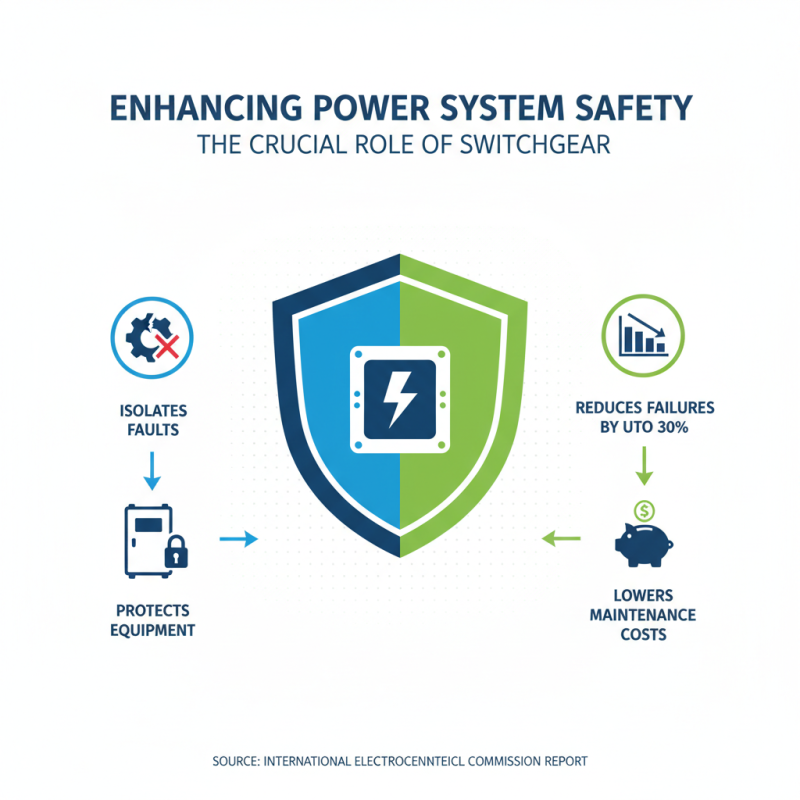
Switchgear plays a crucial role in enhancing safety within power systems. By isolating faults, it helps protect electrical equipment from damaging overloads and short circuits. According to a report from the International Electrotechnical Commission, switchgear can reduce the risk of failures by up to 30%. This protection not only minimizes equipment damage but also significantly lowers maintenance costs.
For facility managers, regular inspections of switchgear systems are vital. Ensuring components are in optimal condition can prevent costly outages. Also, investing in modern switchgear technology can lead to efficiency gains, potentially enhancing operational longevity.
Implementing proper safety protocols, like regular training for personnel, is essential. Switchgear does not work alone; human oversight is critical. Mistakes have been made, leading to unexpected outages. Learning from past errors can drive improvements. Remember, safety is a shared responsibility. Regular audits and updates to procedures can foster a safer work environment.
Energy Efficiency: Switchgear's Contribution to Reducing Losses
Switchgear plays a crucial role in enhancing energy efficiency within power systems. By minimizing electrical losses, it contributes significantly to overall network performance. According to a recent report from the International Energy Agency, about 10% of electricity is lost in transmission. The right switchgear can reduce this figure, making systems more efficient.
High-quality switchgear can improve operational reliability. Regular maintenance can uncover inefficiencies that might otherwise go unnoticed. Real-time monitoring is essential. It helps identify losses swiftly. Implementing smart technologies can lead to further efficiency gains. However, many systems still rely on outdated components that reduce performance.
Detecting energy losses early is vital. The U.S. Department of Energy suggests that replacing aging switchgear can save organizations up to 15% in energy costs. Yet, some facilities hesitate to invest. Short-term expenses often overshadow long-term gains. This reluctance poses a challenge for enhanced energy efficiency.
Operational Flexibility: Adaptability of Switchgear in Modern Power Grids
Switchgear plays a crucial role in modern power grids. Its adaptability enhances operational flexibility. This is vital for managing fluctuating energy demands. Power systems today require seamless integration of renewable energy sources. Switchgear enables this by providing protection and control.
Many facilities face challenges when implementing new technologies. The right switchgear can simplify integration. Efficient devices help in maintaining stability during unexpected load changes. You can always rely on their quick response to faults. It’s important to stay updated on the latest developments in switchgear technology.
**Tip:** Consider the specific requirements of your power system when selecting switchgear. Compatibility with existing infrastructure is key. A mismatch can lead to inefficiencies. Regular assessments can help identify areas for improvement. Always keep an eye on operational performance metrics. This allows for timely adjustments. Investing time in understanding switchgear functions enhances overall efficiency.
Top 10 Benefits of Switchgear in Power System Efficiency
| Benefit |
Description |
Impact on System Efficiency |
| Operational Flexibility |
Allows for dynamic reconfiguration of the grid. |
Enhances system responsiveness to load variations. |
| Improved Reliability |
Reduces the risk of outages through sophisticated protection systems. |
Minimizes downtime and service interruptions. |
| Safety Enhancements |
Incorporates safety mechanisms to protect personnel and equipment. |
Increases confidence in operations. |
| Energy Efficiency |
Facilitates energy savings through optimized distribution. |
Reduces energy losses in transmission. |
| Remote Monitoring |
Enables real-time data collection and analysis. |
Improves decision-making and maintenance scheduling. |
| Integration with Renewables |
Supports the incorporation of renewable energy sources. |
Promotes sustainable energy practices. |
| Cost Savings |
Reduces maintenance and operational costs. |
Enhances profitability through lower expenditure. |
| Scalability |
Allows for future expansion and upgrades. |
Supports growing demand without major overhauls. |
| Enhanced Performance |
Improves the operational effectiveness of the power grid. |
Maximizes the output while minimizing losses. |
| Automation Support |
Facilitates automation of grid operations. |
Enhances operational efficiency and reduces human error. |
 Employee Login
  Contractors Induction