Best Electric Water Heater Reviews and Buying Guide 2026?
In today's fast-paced world, the importance of a reliable Electric Water Heater cannot be overstated. According to a recent report by the U.S. Department of Energy, water heating accounts for about 18% of the average home's energy use. This significant percentage highlights the need for efficient and effective systems. Choosing the right unit can lead to energy savings and improved performance.
Electric Water Heaters come in various models, making decisions complex. A study by Consumer Reports indicates that the best models can save homeowners up to $300 annually on energy costs. However, not all options are created equal. Features such as size, recovery rate, and energy efficiency ratings play crucial roles. Many consumers overlook the importance of understanding these factors, leading to unsatisfactory purchases.
As we explore the best electric water heaters for 2026, awareness of current trends and technology is vital. The market is shifting towards smart systems that enhance convenience and efficiency. Yet, potential buyers must carefully evaluate what suits their specific needs. As our lifestyles change, so do our water heating demands.
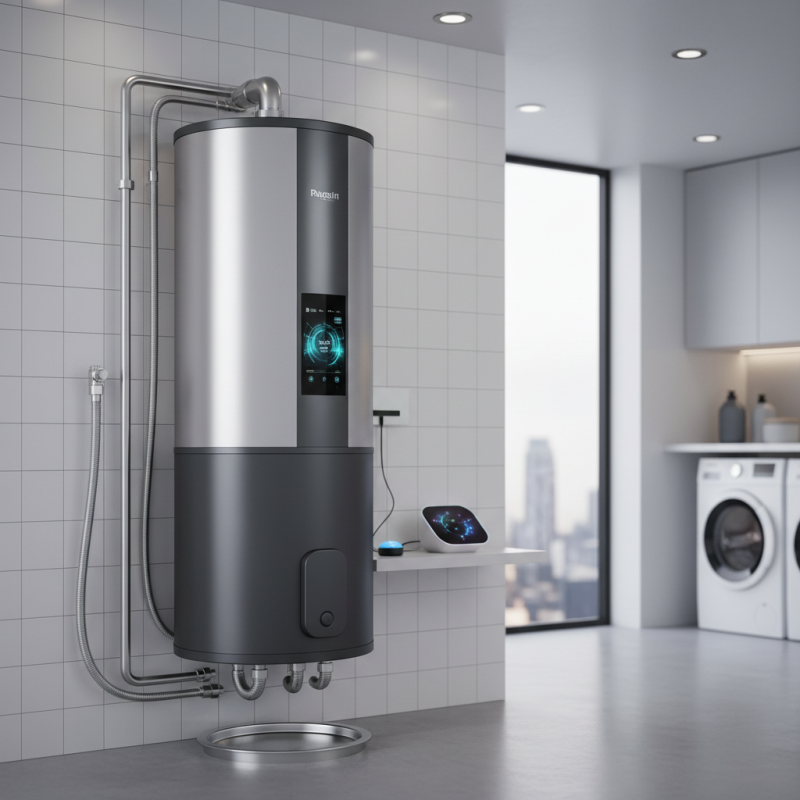
Best Electric Water Heater Types for Different Needs
When choosing an electric water heater, understanding the different types is crucial for meeting your specific needs. There are tankless, storage, and heat pump water heaters. Tankless models heat water on demand, saving energy. They are perfect for small households or limited spaces. Storage heaters hold hot water in a tank, making them ideal for larger families. Heat pump water heaters use ambient air to heat water, which can be more efficient in moderate climates.
When considering your options, think about your household size and usage patterns. Will you need continuous hot water for showers or multiple appliances at once? Tankless models might struggle in high-demand situations. Storage heaters are more forgiving but may use more energy when they constantly heat water.
**Tips:** Always check energy efficiency ratings. A higher rating can save on utility bills. If possible, consult with a professional for installation. Remember to consider how installation space and local climate play a role in the heater’s performance.
Best Electric Water Heater Reviews and Buying Guide 2026
| Type | Capacity (Gallons) | Energy Efficiency | Price Range (USD) | Ideal For |
| Tank | 20-80 | 75-98% | 300-800 | Large families |
| Tankless | N/A | 90-99% | 500-1,500 | Small homes |
| Hybrid | 50-80 | 75-90% | 600-1,200 | Moderate families |
| Point-of-Use | 2-20 | 80-90% | 100-300 | Small appliances |
Key Features to Consider When Buying an Electric Water Heater
When considering an electric water heater, several key features are crucial. The storage capacity is one of them. Choose a size that meets your household's needs. A small family might need 30-40 gallons, while larger families could require more. This ensures everyone has hot water without long waits.
Energy efficiency is another important factor. Look for models with a high energy factor (EF). This indicates better performance and lower energy bills. A well-rated heater can save significant costs over time. Pay attention to the first-hour rating too. This number shows how much hot water a heater can supply in its first hour of operation.
Don't overlook the warranty either. A good warranty offers peace of mind. It reflects the manufacturer's confidence in their product. Also, installation requirements vary. Some units are easier to install than others. Plan properly to avoid unexpected challenges. Electric water heaters can be a bit tricky to set up. Always consult a professional if you're unsure about the installation process.
Top Electric Water Heater Brands in 2026: A Comparative Review
When selecting an electric water heater, understanding the brands available is crucial. Each brand has unique features that may suit different needs. Some focus on energy efficiency, while others prioritize fast heating. Comparing brands helps consumers make informed decisions. Look for factors such as warranty, energy ratings, and customer reviews. Reliability is key when investing in a long-term appliance.
There are standout brands recognized for their innovation. Many offer smart technology that adjusts water temperature based on usage. Some models even integrate with home automation systems. However, not all heaters live up to their promises. User feedback can reveal potential issues that may not be apparent at first glance. It’s essential to consider maintenance requirements and part availability when evaluating options.
Make sure to check product specifications thoroughly. Some heaters may have lower performance in colder climates. Others might take longer to heat larger volumes of water. Consumer forums often present valuable insights from real users. Keeping a critical mind is vital. You don’t want to overlook long-term operational costs after the initial purchase. Research extensively to pinpoint the best fit for your specific needs.
Energy Efficiency Ratings and Their Importance in Electric Water Heaters
When choosing an electric water heater, energy efficiency ratings play a crucial role. These ratings indicate how effectively a heater converts electricity into hot water. A higher rating means more efficiency and lower energy bills. Understanding these ratings helps in making an informed decision, ensuring you choose a model that will not significantly impact your monthly expenses.
Different efficiency ratings exist, such as Energy Factor (EF) and Uniform Energy Factor (UEF). EF measures the overall efficiency of conventional heaters, while UEF provides a more accurate representation of heat pump water heaters. Familiarizing yourself with these terms is essential. It ensures that you align your purchase with your energy-saving goals. In 2026, many consumers still overlook these details. This could lead to increased costs and wasted energy.
However, it is also important to consider your specific needs and home setup. A more efficient unit may have a higher upfront cost. It could take years to see savings. Assessing your household's hot water demand is vital. Also, think about the installation space available. Balancing efficiency with practical considerations can lead to better choices. Don't rush; reflect on what truly suits your requirements.
Maintenance Tips to Extend the Lifespan of Your Electric Water Heater
Maintaining your electric water heater is crucial for its longevity. Regular maintenance can prevent issues and enhance efficiency. Start by inspecting the unit at least once a year. Look for leaks or corrosion around the tank. This proactive step can help catch problems before they worsen.
Flush the tank periodically to remove sediment buildup. This process can improve efficiency and extend the lifespan of the heater. Take your time during this step. Turning off the power and water supply is essential before proceeding. Ignoring this can lead to accidents or costly repairs.
Don’t forget the anode rod. This small part plays a big role in preventing rust. Check it every 2-3 years and replace it if it's severely corroded. Skipping this maintenance task could shorten the heater's life. A little attention can save you money in the long run.
 Employee Login
  Contractors Induction