The Best 10 Electrical Supply Systems for Efficient Power Management?
In the rapidly evolving world of power management, selecting efficient electrical supply systems is crucial. Industry expert Dr. Emily R. Thompson, a leading voice in power generation, states, "The right electrical supply systems can transform energy efficiency." This underscores the significance of choosing systems that efficiently meet our energy needs.
Various electrical supply systems cater to different demands. From solar panels to energy storage, each option presents its unique advantages. However, there is a pressing need for improvement across the board. Many systems reveal shortcomings, such as reliability or complexity issues. These factors highlight the importance of continuous innovation in the field. Choosing the right system is not merely a technical decision; it directly impacts operational efficiency and sustainability.
As we explore the best ten electrical supply systems, it becomes clear that knowledge and careful consideration are essential. Each system's efficacy should be assessed based on specific needs and practical applications. Embracing the challenge of selecting optimal systems encourages progress and leads to smarter energy solutions.

Overview of Electrical Supply Systems and Their Importance
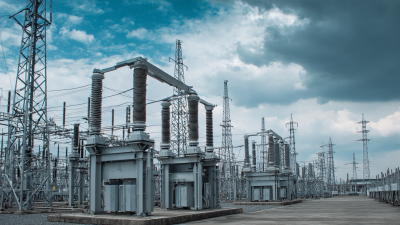
Electrical supply systems are essential for managing power efficiently. These systems are the backbone of modern infrastructure. They ensure that energy is delivered where it is needed most. Understanding their layout and functionality can lead to better energy management.
One common type is the radial system. It supplies power from a single source to various loads. This simplicity makes it easy to implement. However, it has weaknesses. A failure at any point can interrupt the whole system. As a result, reliability suffers.
Another important system is the ring main. It creates a loop for power distribution. If one section fails, the power can still flow from another direction. This increases reliability but adds complexity. Maintenance and management become more challenging. A balance must be struck between efficiency and ease of use.
Optimizing these systems is crucial. Each type presents both opportunities and challenges. Careful planning can enhance performance while highlighting areas for improvement. Recognizing the limitations helps in refining our approach to electrical supply.
Types of Electrical Supply Systems Used in Modern Industries
In modern industries, several types of electrical supply systems play a crucial role in power management. These systems ensure reliable energy distribution and efficiency. Among the popular options are AC and DC systems, each serving distinct purposes.
AC systems are commonly used in residential and commercial settings due to their ability to transmit power over long distances.
Meanwhile, DC systems are gaining traction in data centers and electric vehicles. They offer improved efficiency and are less prone to power loss. Both systems present unique advantages, yet each comes with challenges. For instance, AC systems may incur higher losses during transmission, while DC systems require specific components for conversion.
Tips: When considering an electrical supply system, evaluate your power demands carefully. Is your system adaptable? Look for flexibility in design. This could save money in the long run.
Additionally, always prioritize safety standards during installation. Implementing proper safeguards can prevent costly accidents. Remember, the choice of the electrical supply system can impact your operational efficiency.
Key Features of Efficient Power Management Systems
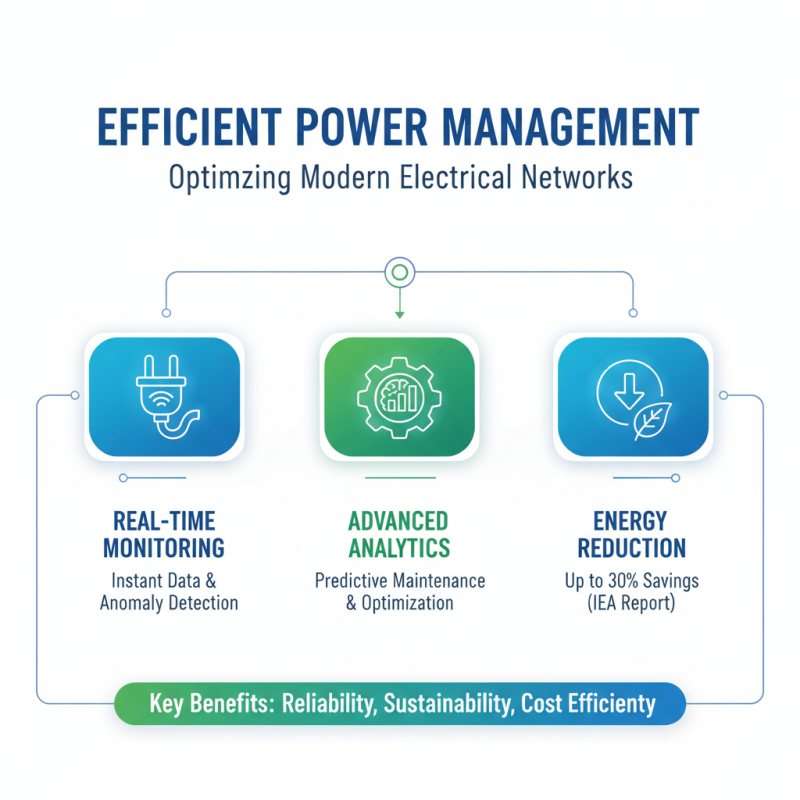
Efficient power management systems are vital for modern electrical supply networks. Key features include real-time monitoring and advanced analytics. According to a report by the International Energy Agency, efficient systems can reduce energy consumption by up to 30%. Real-time data allows operators to respond swiftly to any irregularities in power distribution.
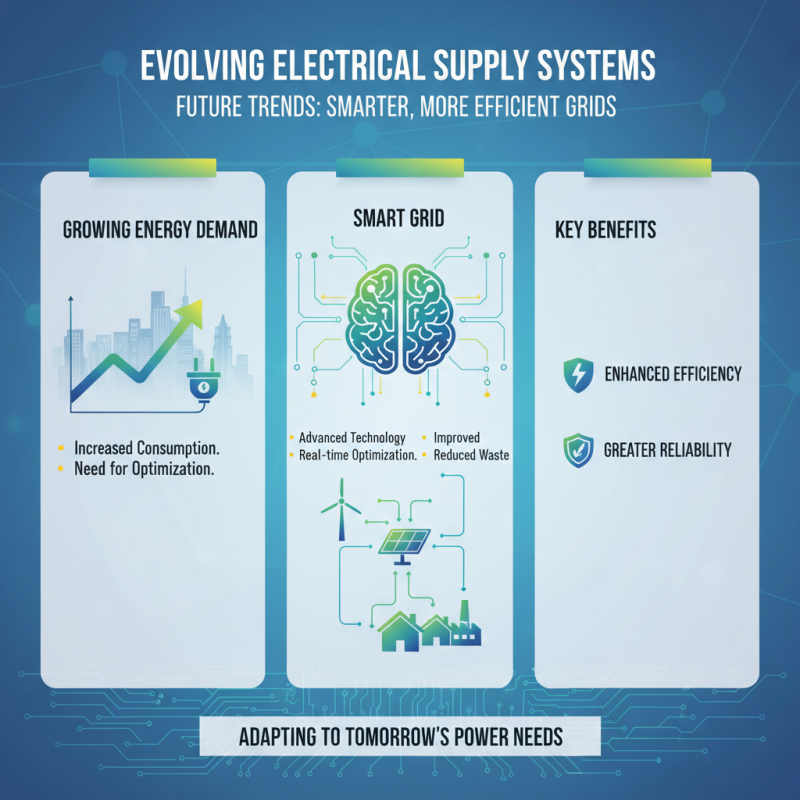
Another essential aspect is scalability. As energy demands grow, systems must adapt accordingly. A study from the U.S. Department of Energy notes that scalable systems can increase overall grid efficiency by 25%. However, many organizations struggle with integrating new technologies into existing frameworks. This creates resistance and requires careful planning.
Moreover, the ability to integrate renewable energy sources is crucial. A report from the Renewable Energy Policy Network highlights that flexible systems can enhance the use of renewables by 50%. Yet, many legacy systems lack this capability, rendering them less effective in today’s energy landscape. Transitioning to more efficient systems presents challenges, but the potential benefits are significant.
Comparative Analysis of Top 10 Electrical Supply Systems
When examining the best electrical supply systems, several factors come into play. Efficiency and reliability are paramount. Recent industry reports indicate that nearly 30% of energy is wasted due to outdated systems. This inefficiency leads to increased costs and environmental impact. In contrast, modern systems can reduce energy loss to under 10%. These advancements are meaningful, but one must consider the initial investment.
A comparative analysis of various systems reveals significant differences. Some systems boast advanced monitoring capabilities. They allow real-time tracking of energy consumption. This data can inform better power management strategies. However, not all systems integrate seamlessly with existing infrastructure. This can create hurdles for companies needing retrofitting solutions. According to analysts, up to 40% of installations face compatibility challenges.
Furthermore, while smart grid technology is on the rise, it demands careful implementation. Challenges include cybersecurity and infrastructural adaptability. A study noted that incomplete upgrades could expose weaknesses in the system. Balancing innovation with practicality is essential. Adopting cutting-edge technology without proper awareness can lead to potential pitfalls. Settling for less efficient systems might seem easier, but the long-term consequences are more arduous. Re-evaluating these choices is crucial for sustainable progress.
 Employee Login
  Contractors Induction