Best EV Charger for Cars What You Need to Know?
As the demand for electric vehicles surges, understanding the right Ev Charger Car options is crucial. Mark Johnson, a leading expert in EV infrastructure, emphasizes, "Choosing the right charger can enhance your EV experience significantly." The right EV charger car can streamline your daily routines and eliminate range anxiety.
Selecting an EV charger car involves various factors. Consider charging speed, installation requirements, and compatibility with different vehicle models. Some chargers may offer faster charging times but at a higher cost. It's essential to find the balance that suits your needs and budget.
Many users overlook the importance of proper installation. A poorly installed charger can lead to inefficiencies or even safety issues. Reflecting on these aspects can help optimize your EV experience. Adapting to new technologies isn't always smooth, but understanding your options is a step toward a greener future.
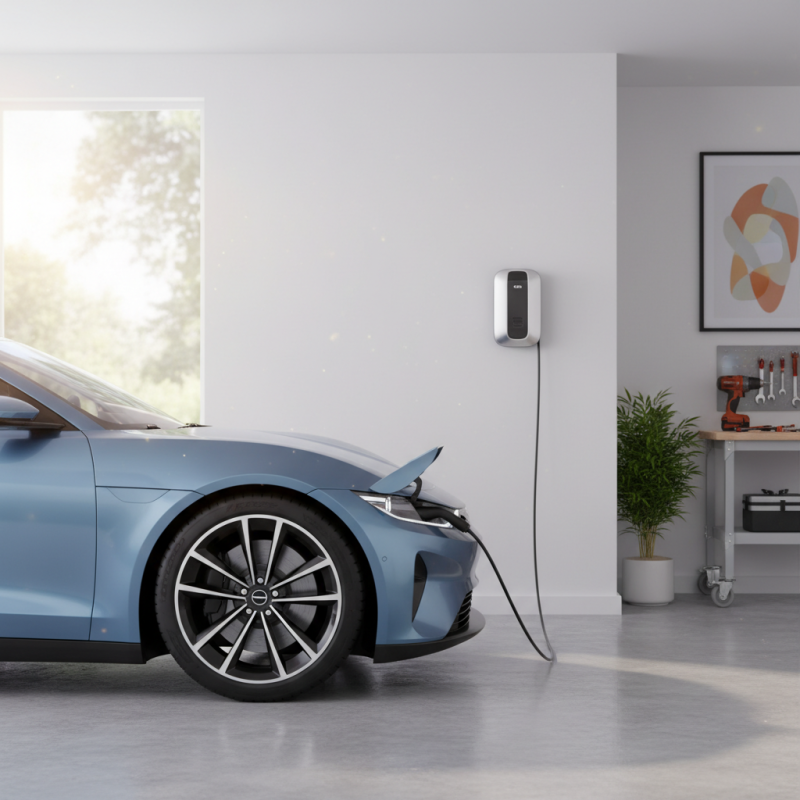
Types of EV Chargers: Understanding Level 1, Level 2, and DC Fast Charging
When it comes to electric vehicle (EV) chargers, understanding the types is crucial. There are three main types: Level 1, Level 2, and DC Fast Charging. Each type serves different needs and offers varying charging speeds.
Level 1 chargers are the most basic. They simply plug into a standard household outlet. This method can take a long time, often providing only 4-5 miles of range per hour of charging. According to a report from the U.S. Department of Energy, many EV owners may find this insufficient for daily use, especially with longer commutes. It’s also important to note that many homes lack the adequate electrical capacity to use multiple Level 1 chargers concurrently.
On the other hand, Level 2 chargers offer a faster solution. These require a dedicated 240-volt outlet and can deliver 10 to 60 miles of range per hour. Studies indicate that over 80% of EV owners prefer this type of charger for home installation. However, installation costs and the need for electrical upgrades can be a barrier.
Finally, DC Fast Charging is the fastest. It’s capable of replenishing up to 80% of an EV’s battery in about 30 minutes. Yet, these chargers are usually located along highways, making them less useful for home use. The availability of these chargers remains sporadic in many areas, which leads to some range anxiety among potential EV buyers. Each charging option has its pros and cons, and personal circumstances will dictate the best choice for each EV owner.
Key Features to Look for in an EV Charger
When selecting the best EV charger for your car, consider key features that ensure efficiency and convenience. Power output is crucial. It determines how fast you can charge your vehicle. Look for options ranging from 3.7kW to 22kW. Higher power means quicker charging, which can save you time.
Battery compatibility is another important aspect. Not all chargers work with every vehicle. Check the charger’s specifications to ensure it matches your EV. Smart features can enhance usability. Some chargers allow remote monitoring through an app. You can track charging status from anywhere. But not all smart chargers are user-friendly. Don’t overlook installation requirements. Different models need various setups. Some may require professional installation, which adds to costs.
Finally, keep an eye on the cable length. A longer cable offers more flexibility in parking. Make sure it’s long enough for your space. However, don’t forget about the quality. Low-quality cables can wear out quickly. This might lead to frustration. Evaluate your needs carefully. Choose a charger that fits well with your lifestyle and vehicle.
Installation Considerations for Home EV Chargers
When considering the installation of a home EV charger, many factors come into play. The location of your charger is crucial. A garage or a dedicated parking space is ideal. Ensure there is easy access to the electrical panel. It simplifies wiring and reduces installation costs.
The electrical capacity of your home matters too. Assess whether your current system can handle the extra load. You might need an upgrade. Some homes may face challenges, such as distance from the power source. Consultation with an electrician can be beneficial here. They can evaluate your setup and provide recommendations.
Additionally, think about safety and convenience. The charger should be weather-resistant if placed outdoors. Keeping the area free from obstacles is essential. Consider your charging habits and plan for future needs. A charger with adjustable settings can be a flexible choice. Always reflect on your long-term goals to ensure your investment is worthwhile.
Cost Analysis: Pricing for Different EV Charger Options
When considering the cost of EV chargers, several factors come into play. The price ranges significantly based on the charger type. Level 1 chargers, which use a standard outlet, typically cost between $300 to $600. They are more affordable but have slower charging speeds. On the other hand, Level 2 chargers, which require a 240-volt outlet, can range from $500 to $1,500. These chargers offer much faster charging capability, which is essential for daily use.
A recent industry report indicated that the installation cost might add an additional $1,200 on average. This bump in price fluctuates depending on the complexity of the installation. If a home requires electrical panel upgrades, costs can rise even higher. For many, these expenses represent a significant investment. Some might overlook incentives that can help offset costs. Approximately 30% of buyers are unaware of available rebates or tax credits.
Ultimately, drivers need to weigh these costs against their daily driving habits. An owner who drives long distances may find a Level 2 charger a worthwhile investment. Meanwhile, those who use their EVs less frequently might be fine with a Level 1 charger. This decision requires careful thought about personal needs and budget constraints.
Benefits of Smart EV Chargers and Their Connectivity Features
Smart EV chargers are revolutionizing the way we charge our electric vehicles. These chargers connect to your home Wi-Fi and allow for remote control through an app. You can start or stop charging from anywhere. This convenience simplifies managing your vehicle's energy use.
Another impressive feature is scheduling. You can set charging times when electricity rates are lower. This strategy can save you money. However, the reliance on technology raises questions. What if the app fails? Connectivity issues can disrupt your charging routine unexpectedly. This is a potential drawback.
Smart EV chargers also provide real-time monitoring. You can track your charging progress and energy consumption. It’s informative but can also lead to overthinking. Constantly checking your app may cause anxiety about performance. Overall, considering the benefits and limitations of smart chargers helps drivers make informed choices.
 Employee Login
  Contractors Induction