What is the Best Medium Voltage Distribution System for Your Needs?
Choosing the right medium voltage distribution system is critical for any electrical infrastructure. John Smith, a renowned expert in electrical engineering, emphasizes, "The efficiency of a distribution system can make or break a project." Understanding the specific needs of your operation is essential to making an informed choice.
Medium voltage distribution systems encompass various components, including transformers, switchgear, and cables. Each element serves a critical role in ensuring reliable energy delivery. However, not all systems are created equal. The wrong choice can lead to inefficiencies and increased maintenance costs. Evaluating your facility's unique requirements can guide you to the right configuration.
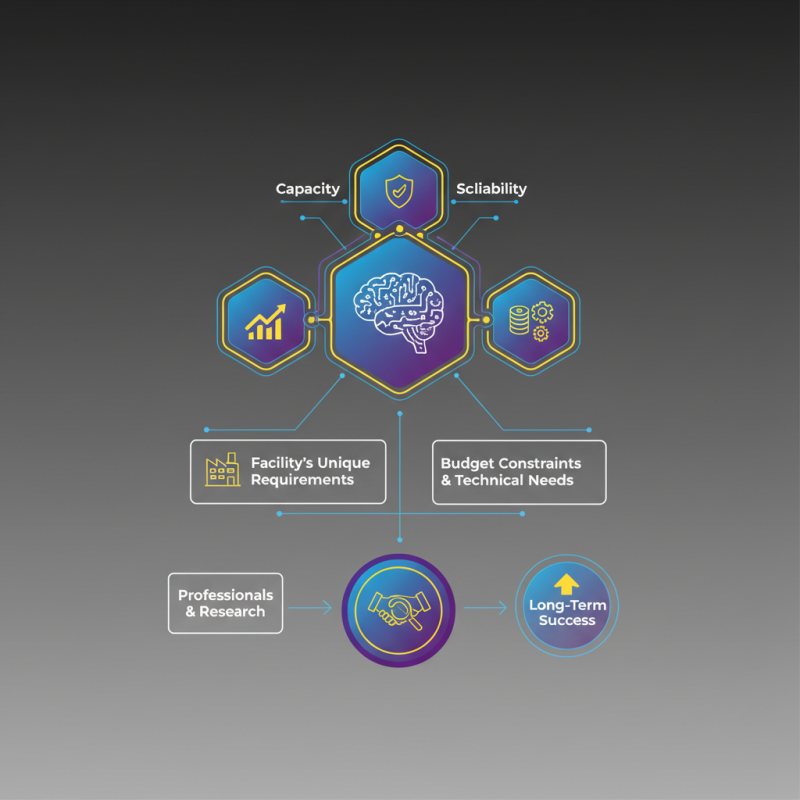
Considerations like capacity, reliability, and scalability must take center stage in your decision. As operations grow, so does the demand for power. Therefore, flexibility in your medium voltage distribution system is paramount. Balancing budget constraints with technical needs often invites frustration; mistakes can be costly. Engaging with professionals and conducting thorough research will pave the way for a competent decision, ensuring long-term success.
Understanding Medium Voltage Distribution Systems
Understanding medium voltage distribution systems is critical for any organization looking to manage electricity effectively. These systems typically operate in the range of 1 kV to 35 kV. They serve as a crucial link between high voltage transmission systems and low voltage distribution networks. Assessing your specific needs is essential. Various factors can influence your choice, such as the required capacity, install locations, and future expansion plans.
Tip: Evaluate your energy needs thoroughly before making a decision. Analyze load demands over peak and off-peak hours. This data helps in selecting the right system size and reduces the risk of under or overloading.
Flexible configuration options exist within medium voltage systems. They can be adapted to local conditions and can support various applications. Challenges may arise when integrating older infrastructure. Compatibility is essential for seamless operation. It's wise to consult with experts in the field to ensure a smooth transition.
Tip: Consider future growth when selecting a system. A scalable design can meet increased energy demands without a complete overhaul. Documenting potential growth scenarios can guide your decision-making process and keep costs manageable.
Key Factors in Selecting the Right Medium Voltage System
When selecting a medium voltage distribution system, various factors come into play. The capacity of the system is crucial. Data from the International Energy Agency indicates that demand for electric power in industrial sectors is expected to grow by 40% by 2030. This growth necessitates a system capable of handling increased loads while maintaining efficiency.
Another critical aspect is the configuration of the distribution system. A study by the Electric Power Research Institute highlights that centralized systems can result in higher transmission losses. Hence, a decentralized approach may better suit certain facilities. Moreover, reliability is non-negotiable. According to industry standards, outages can cost businesses upwards of $150,000 per hour. Thus, investing in systems with redundancy and backup features is wise.
Cost analysis is equally important. Initial costs should not be the only concern. Long-term operational costs can significantly impact overall budgeting. Some systems may appear cheaper upfront but could incur higher maintenance costs due to inefficient operation. Evaluating the total cost of ownership will enable better-informed decisions, ensuring the selected system aligns with operational requirements and financial expectations.
Medium Voltage Distribution Systems: Key Factors Comparison
This chart compares three key factors influencing the selection of medium voltage distribution systems: Cost, Efficiency, and Maintenance requirements. The values represent the average ratings based on industry standards.
Types of Medium Voltage Distribution Systems Available
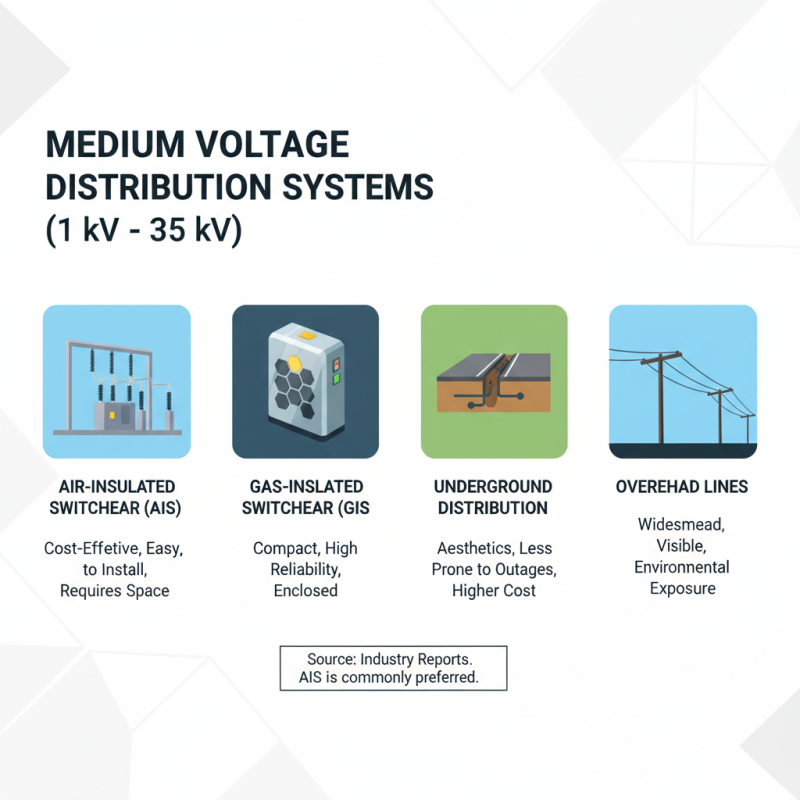
When evaluating medium voltage distribution systems, understanding various types is crucial. These systems generally operate within a voltage range of 1 kV to 35 kV. Four common types include air-insulated switchgear (AIS), gas-insulated switchgear (GIS), underground distribution systems, and overhead lines. According to industry reports, AIS is often favored for its cost-effectiveness and ease of installation in areas with abundant space.
GIS systems are compact and ideal for urban settings where space is limited. They require less maintenance and are more resistant to environmental factors. Meanwhile, underground distribution systems offer increased reliability and improved aesthetics, though installation costs are typically higher. Overhead lines are widely used due to their straightforward design; however, they can be vulnerable to weather conditions.
**Tips:** When choosing a system, consider local climate and space availability. Performing a cost analysis is essential. Evaluate long-term reliability and maintenance needs. These factors greatly influence operational efficiency and total cost of ownership.
While each system has strengths, none are without weaknesses. AIS, for instance, can be less reliable in extreme weather. GIS systems are costly to install but can save money in maintenance expenses over time. Always weigh initial investments against potential drawbacks to find a balanced solution for your needs.
Comparing Reliability and Efficiency of Different Systems
When choosing a medium voltage distribution system, it’s crucial to analyze reliability and efficiency. Different systems present unique advantages, impacting their overall performance. Reliability is often measured by system uptime and failure rates. A reliable system minimizes outages and maintenance needs, ensuring a steady power supply.
Efficiency encompasses energy loss and the ability to handle loads. Systems with advanced technology may provide higher efficiency, reducing operational costs. Selecting the right system involves considering specific operational demands. For instance, certain industries may require robust systems to handle fluctuating loads, which could influence efficiency ratings.
Evaluating these factors can reveal trade-offs. A more efficient system might have higher initial costs but lower operational expenses. Conversely, a conventional system may seem cost-effective initially but could incur higher maintenance costs later. Understanding these dynamics is essential for making an informed decision that meets both reliability and efficiency needs in the long run.
What is the Best Medium Voltage Distribution System for Your Needs?
| System Type |
Reliability Rating (1-10) |
Efficiency (%) |
Maintenance Frequency (Annual) |
Typical Applications |
| Overhead Distribution System |
7 |
92 |
2 |
Rural areas, Residential setups |
| Underground Distribution System |
9 |
95 |
1 |
Urban areas, Commercial buildings |
| Cable-in-Conduit System |
8 |
90 |
1.5 |
Industrial facilities, Utilities |
| Smart Grid System |
10 |
97 |
0.5 |
Modern cities, Integrated systems |
Cost Considerations for Medium Voltage Distribution Solutions
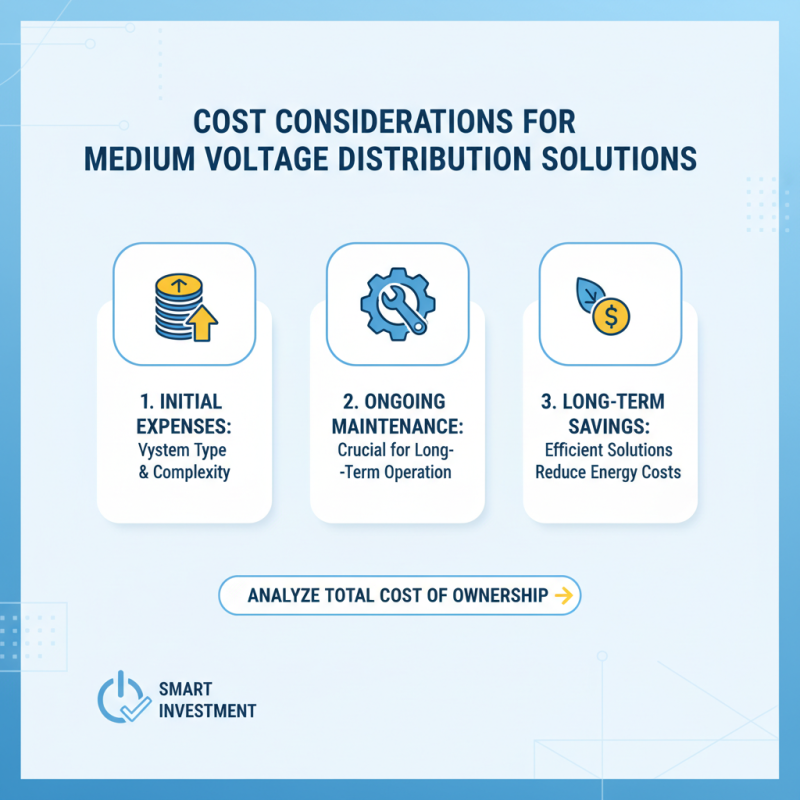
When considering medium voltage distribution systems, cost is a critical factor. Understanding initial expenses and ongoing maintenance is crucial. The upfront investment can vary greatly based on system type and complexity. It’s important to analyze the potential long-term savings when selecting a system. Often, opting for a more efficient solution can reduce energy costs over time.
**Tips:** Evaluate the total cost of ownership, not just the purchase price. Look into installation costs, maintenance, and energy efficiency. A system that costs less upfront could lead to higher expenses later.
Additionally, site assessment can impact costs significantly. An improper assessment may lead to oversizing or undersizing the system. This mistake costs money and can affect performance. You should regularly update your evaluation criteria to consider technological advancements in medium voltage systems.
**Tips:** Lean on expert advice for site evaluations. Collaborate with professionals to ensure your needs are accurately assessed. Regularly review your energy needs and infrastructure to adapt to changes.
 Employee Login
  Contractors Induction