What is the Best Power Management System in 2026?
In 2026, the landscape of power management systems is set to undergo significant transformation. Analysts predict the global market will reach over $20 billion, driven by increasing energy demands and efficiency regulations. The shift towards renewable resources and smart technologies is reshaping how energy is managed. Companies increasingly adopt power management systems to optimize energy use and reduce costs.
According to a recent report, nearly 75% of businesses experience energy inefficiencies. Many lack proper power management systems. This leads to wasted resources and increased operational costs. Organizations must address these inefficiencies to remain competitive. Embracing innovative solutions can boost sustainability efforts while ensuring reliable energy distribution.
The ideal power management system in 2026 will prioritize integration and real-time data. Companies will need to reflect on their current systems and identify gaps. There is still hesitance in adopting new technologies due to costs and complexity. However, those who invest wisely will likely benefit from enhanced performance and significant savings.

Overview of Power Management Systems in 2026
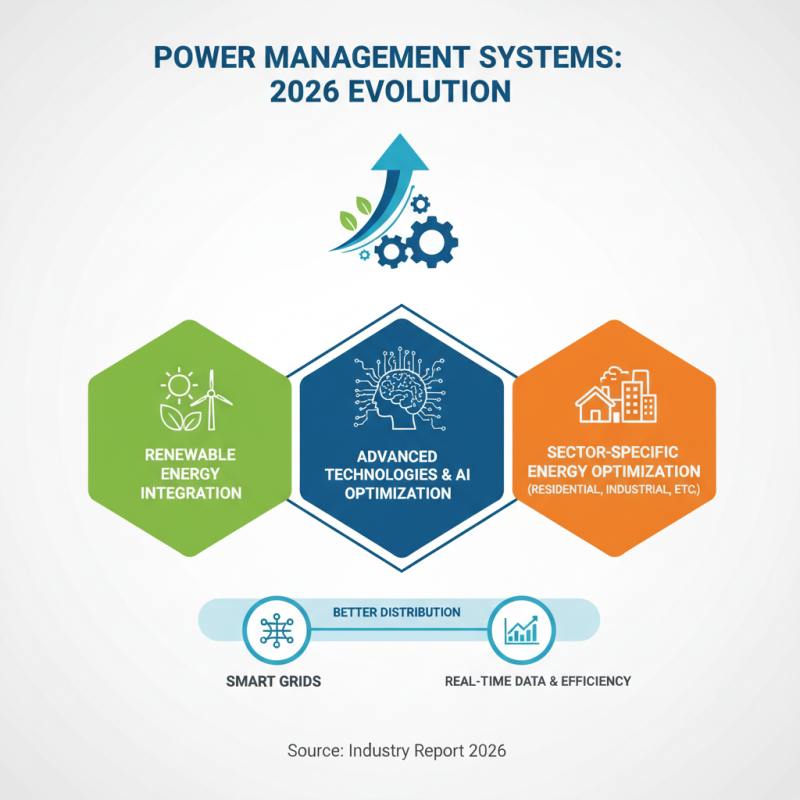
In 2026, power management systems are evolving rapidly. They embrace renewable energy sources and advanced technologies. These systems focus on optimizing energy consumption in various sectors, from residential to industrial applications. Smart grids are becoming commonplace, allowing real-time data analysis. This enables better energy distribution and efficiency.
However, challenges persist. Not every power management system can adapt quickly to user needs. Some struggle with integration issues, leading to inefficiencies. Additionally, many systems lack robust cybersecurity features, making them vulnerable. As businesses and households adopt these technologies, they need to be aware of the risks involved.
The user experience plays a crucial role in system effectiveness. Intuitive interfaces enhance usability but are often overlooked. Meanwhile, energy storage solutions must improve to keep pace with demand. Users may find their systems falling short in providing reliable backup power. These obstacles highlight the need for ongoing innovation and improvement in power management strategies.
Key Features to Look for in Modern Power Management Systems
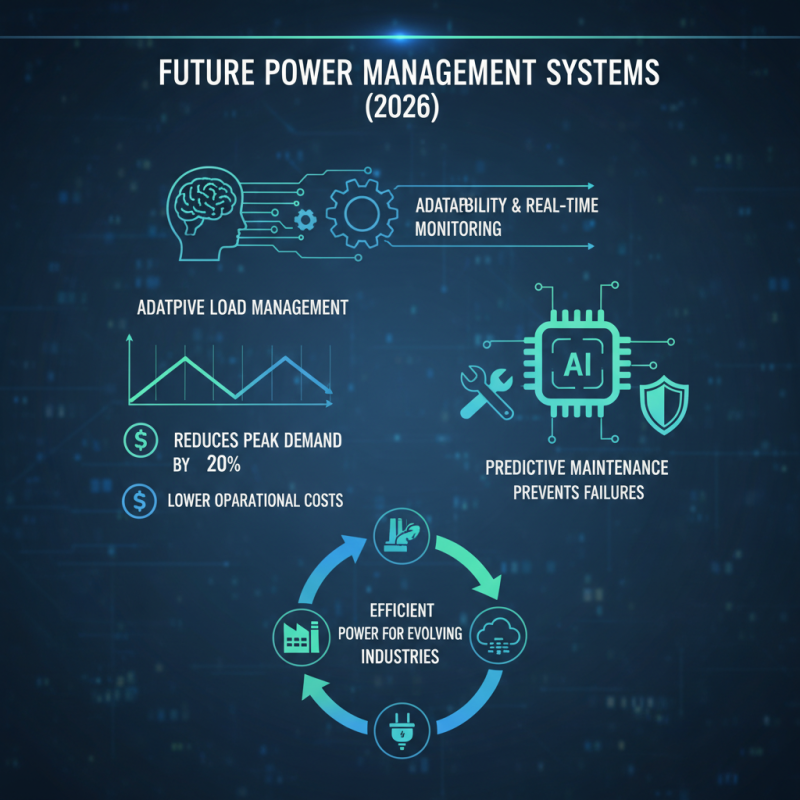
As industries evolve, the demand for efficient power management systems will increase. The best systems in 2026 will focus on adaptability and real-time monitoring. Adaptive load management can reduce peak demand by an average of 20%, significantly lowering operational costs. Additionally, incorporating AI into power management allows for predictive maintenance, preventing failures before they happen.
Key features to look for include cloud connectivity and data analytics. Modern systems should provide actionable insights into energy usage, helping businesses optimize their consumption. Research indicates that companies using advanced analytics can reduce energy costs by up to 15%. This transformation is necessary, as many existing systems still rely on outdated technologies, leading to inefficiencies. Customers demand more transparency and control over their energy use.
Scalability is essential as businesses grow. An effective power management system should seamlessly integrate with existing infrastructure. Flexibility to adapt to changing energy needs is vital. However, many organizations struggle due to a lack of training and awareness. Failures in implementation can lead to lost opportunities for both savings and sustainability efforts.
Comparative Analysis of Leading Power Management Systems in 2026
In 2026, power management systems are evolving rapidly. A recent industry report highlights a shift towards more integrated and efficient models. The latest data shows that up to 40% of companies are adopting advanced analytics in their power management strategies. This trend reflects a demand for real-time monitoring and predictive maintenance.
However, not all systems measure up. Some still struggle with compatibility issues and data inaccuracies. About 25% of users report challenges with their current systems not scaling as expected. This gap in performance can cost businesses significantly, both financially and operationally.
Moreover, user feedback indicates a desire for more intuitive interfaces. Complex systems can lead to errors and inefficiencies. Simple and clear dashboards could improve user experience. As organizations refine their approaches, addressing these flaws is crucial for optimizing power management.
Innovative Technologies Driving Power Management Solutions Forward
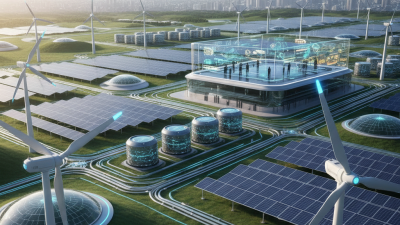
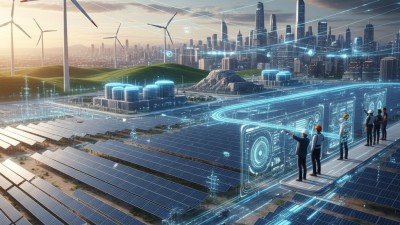
In 2026, the landscape of power management systems is transformed by innovative technologies. New advancements are emerging at a rapid pace. Energy storage solutions, such as advanced batteries, are being developed. These batteries enhance efficiency and reduce waste. They play a crucial role in renewable energy integration, enabling better grid management.
Smart grid technologies are also gaining traction. These systems allow real-time monitoring and control of power distribution. They adapt to changes in energy demand, which enhances reliability. However, the complexity of these systems often raises questions. Integration can present challenges, especially for older infrastructures.
Artificial intelligence (AI) is making a significant impact. AI algorithms analyze usage patterns, optimizing energy consumption. Predictive maintenance is possible, spotting issues before they escalate. Yet, dependence on algorithms can lead us to overlook human insights. Continuous improvements are needed to ensure these systems remain flexible and resilient. Power management solutions must evolve alongside societal and environmental needs.
Power Management Technologies in 2026
Future Trends in Power Management Systems Beyond 2026
As we look beyond 2026, power management systems are poised for significant evolution. Industry reports suggest a shift towards more decentralized systems. These will enhance efficiency and reliability. A recent study predicts that global demand for energy management solutions will grow by over 15% annually. This indicates a robust interest in sustainable practices.
Emerging trends include the integration of artificial intelligence and machine learning. These technologies aim to optimize energy consumption in real-time. However, the implementation of such advanced systems may face technical challenges. A survey revealed that over 30% of organizations report difficulties in adopting new power management tools. Ensuring compatibility with existing infrastructures remains a common hurdle.
Another key area of focus is energy storage systems. As renewable energy sources proliferate, effective storage solutions become vital. Reports estimate the global energy storage market will reach $500 billion by 2030. Nevertheless, concerns regarding battery disposal and resource scarcity need attention. Addressing these issues is essential for sustainable growth in the sector.
What is the Best Power Management System in 2026? - Future Trends in Power Management Systems Beyond 2026
| Dimension |
2023 Value |
2024 Prediction |
2025 Prediction |
2026 Prediction |
| Energy Efficiency (%) |
85 |
87 |
90 |
92 |
| Cost Savings ($ Million) |
150 |
160 |
175 |
190 |
| Carbon Emissions Reduction (%) |
20 |
25 |
30 |
35 |
| Market Share (%) |
30 |
32 |
35 |
37 |
| User Satisfaction Score (1-10) |
7.5 |
8.0 |
8.5 |
9.0 |
 Employee Login
  Contractors Induction