2026 Best Solar Applications for Sustainable Energy Solutions?
As the world seeks sustainable energy solutions, the spotlight increasingly shines on Solar Applications. Industry expert Dr. Emily Carter says, “The future of energy lies in how we harness the sun.” This perspective highlights the potential of solar power in addressing global energy demands.
Solar Applications extend beyond panels on rooftops. They encompass innovative solutions such as solar water heating, photovoltaic systems, and solar-powered vehicles. These applications reduce reliance on fossil fuels. They also contribute to a cleaner environment. With advancements in technology, the effectiveness of solar energy continues to improve, making it more accessible to communities.
Yet, challenges remain. The initial costs can deter users. Additionally, energy storage solutions need to keep pace with generation capabilities. Addressing these hurdles is crucial for wider adoption. As we explore the best Solar Applications for 2026, it is essential to acknowledge both achievements and the ongoing need for improvement. This balanced view fosters an environment for sustainable innovation.
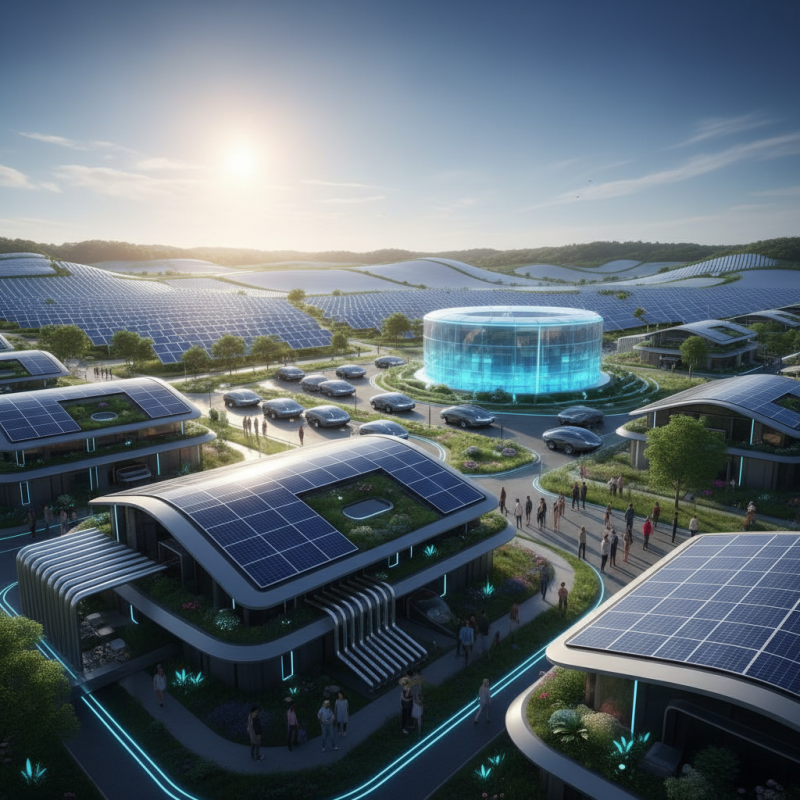
Overview of Solar Energy Applications in 2026
In 2026, solar energy applications are poised to transform various sectors. Solar panels are widely installed on rooftops, powering homes and businesses. These installations reduce dependency on non-renewable energy sources. Many households now rely on solar energy, minimizing their carbon footprints significantly.
Agriculture benefits greatly from solar technology as well. Farms use solar-powered irrigation systems. These systems optimize water use during drought periods. Solar greenhouses extend the growing season, allowing for year-round agriculture. However, challenges remain, such as the high initial installation costs and potential maintenance issues.
Urban development has also embraced solar energy. Solar roads and building-integrated photovoltaics are innovative solutions in city planning. Although still in early stages, these technologies promise a greener urban landscape. Nevertheless, concerns about energy storage and efficiency linger. Stakeholders must address these challenges to make solar a dependable energy source.
Innovative Solar Technologies Transforming Energy Solutions
Innovative solar technologies are reshaping the energy landscape. As of 2023, solar energy capacity has exploded, reaching over 1,200 gigawatts globally. This surge illustrates significant advancements in efficiency and deployment. Innovations like bifacial panels capture sunlight from both sides, boosting energy output significantly. Reports indicate these panels can increase productivity by up to 30%.
Integrated solar solutions are gaining traction. Building-Integrated Photovoltaics (BIPV) are embedded into building materials. They serve dual purposes: generating energy and enhancing aesthetics. According to the International Energy Agency, BIPV could account for 30% of the global solar market by 2026. However, challenges like higher costs and complex installations remain.
Additionally, energy storage advancements complement solar applications. Battery efficiency has improved, contributing to energy reliability. New lithium-sodium batteries could reduce costs while maintaining performance. Despite these innovations, industry experts acknowledge the need for further research. Long-term sustainability requires a focus on recycling and energy management. Challenges exist, but the potential for solar energy to deliver sustainable solutions is clear.
Residential Solar Systems: Advances and Benefits
Residential solar systems have seen significant advancements in recent years. These systems provide sustainable energy solutions for homeowners. With improved technology, solar panels now achieve higher efficiency rates. This means more energy production from less space, making them ideal for smaller roofs.
Tips: Before investing, evaluate the amount of sunlight your home receives. This will help determine the best solar setup for your needs.
Additionally, the benefits go beyond energy savings. Many homeowners report lower electricity bills after installation. With government incentives available, there's a financial push to go solar. However, the initial cost can be a barrier for some. Reflecting on financing options is critical.
Tips: Look into available loans or leasing options. They can ease the financial burden. Also, consider long-term savings versus upfront costs.
As technology advances, it's essential to stay informed. This knowledge helps homeowners make better decisions. Researching local solar companies can also lead to successful installations.
Commercial Solar Solutions: Enhancing Sustainability in Businesses
Commercial solar solutions play a vital role in enhancing sustainability for businesses. Companies adopting solar energy reduced their electricity costs by up to 75%. A recent report from the Solar Energy Industries Association (SEIA) shows that a business installing solar panels can recover its investment within 3 to 5 years. More importantly, solar energy helps decrease carbon footprints, making businesses more environmentally responsible and appealing to eco-conscious consumers.
However, there are challenges in transition. Some organizations face high initial installation costs, which can deter investment in solar technology. Additionally, not all locations are optimal for solar energy generation due to varying sunlight exposure. It’s essential for businesses to conduct a site assessment before proceeding. Understanding potential barriers and addressing them will improve long-term sustainability strategies. Investing in a rigorous analysis can lead to informed decisions and better energy management.
The impact of commercial solar solutions extends beyond just energy savings. It builds a positive brand image. According to a report by the International Renewable Energy Agency (IRENA), 76% of consumers prefer brands committed to sustainability. Therefore, businesses incorporating solar technology not only save money but also foster customer loyalty. Embracing solar energy is more than a financial decision; it's a commitment to sustainable practices that resonate with modern consumers.
2026 Best Solar Applications for Sustainable Energy Solutions
This chart illustrates the effectiveness of various solar applications in enhancing sustainability within businesses in 2026. The data represents the estimated energy savings realized by businesses using different solar technologies.
Future Trends in Solar Energy Adoption and Integration
The landscape of solar energy is evolving rapidly. As we approach 2026, several trends in solar energy adoption are becoming clear. Increasingly, households and businesses are integrating solar panels into their energy solutions. This shift offers a sustainable alternative to fossil fuels. The technology is becoming more efficient, driving down costs and rising adoption rates.
Recent studies indicate a growing interest in community solar projects. These initiatives allow multiple households to share the benefits of solar energy. They also provide an opportunity for those who cannot install panels on their roofs. More people are learning about the advantages of renewable energy sources. This increased awareness is fostering greater acceptance in local communities.
Tips for adopting solar energy:
- Research available incentives in your area. You may find grants or tax benefits.
- Consider the long-term savings of solar installations. They can significantly reduce bills.
- Stay informed on technology advancements. Not all systems are equal, and new innovations could benefit you.
Investing in solar solutions requires careful thought. Not every home is ideal for solar panels. Some might not receive enough sunlight. There’s also the challenge of upfront costs. Analyzing your situation is crucial before making any decisions. Engaging with local experts can offer tailored advice.
 Employee Login
  Contractors Induction