How to Choose the Best Solar Storage System for Your Home?
Choosing the right Solar Storage system for your home can be challenging. John Smith, a leading expert in solar energy solutions, once said, "Effective solar storage can change how we use energy at home." Understanding how to effectively utilize Solar Storage is key for homeowners today.
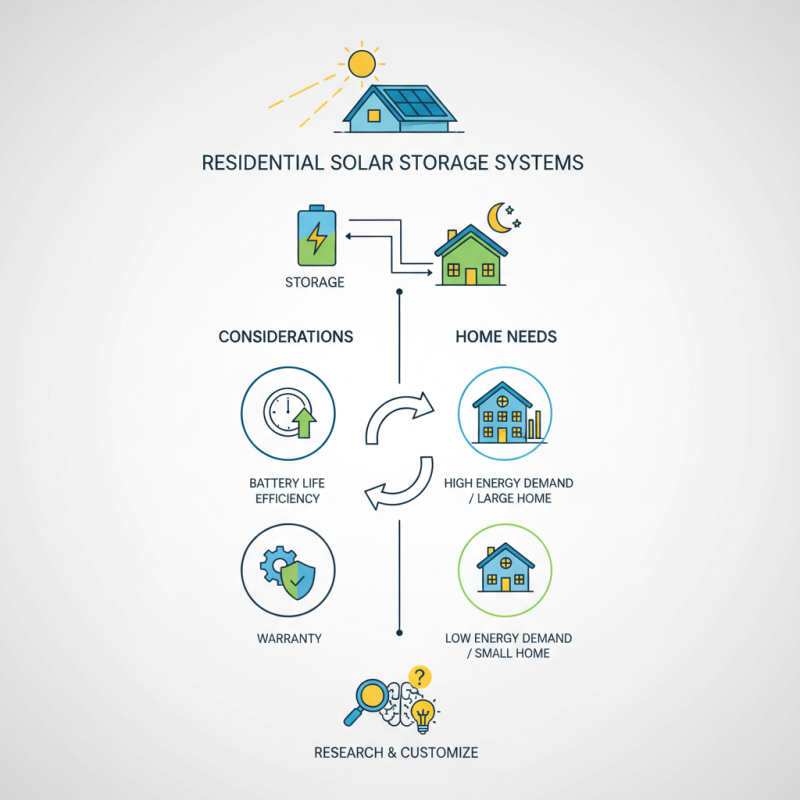
Solar storage systems are essential for maximizing the benefits of solar energy. They store excess energy generated during the day for use during the night. Many systems, however, come with different capacities and types. It requires careful analysis to find the best fit for your needs. Do you have a large house with significant energy demands? Or a smaller home that consumes less?
When exploring options, consider factors like battery life, efficiency, and warranty. Not all systems are created equal, and the wrong choice can lead to disappointment. Many users wish they had done more research before their purchase. It's crucial to reflect on your household's unique needs when deciding on Solar Storage options, ensuring your investment truly pays off.
Understanding Solar Storage Systems and Their Importance for Homes
Understanding solar storage systems is vital for homeowners. These systems store energy generated by solar panels for later use. A well-designed solar storage system can significantly enhance energy independence and reduce electricity bills. According to the National Renewable Energy Laboratory, homeowners can save up to 50% on their energy costs with effective solar storage solutions.
Battery capacity is a key factor in choosing the right solar storage system. The average home requires a capacity of about 10 to 15 kWh per day. However, many factors influence this need, such as peak usage times and the size of the solar array. Installing a system that is not adequately sized can lead to wasted energy or insufficient power during crucial times. It's common for homeowners to underestimate their energy needs, which can create frustrations.
Additionally, the lifespan of storage batteries varies significantly. Some might last only a few years, while others can provide service for a decade or more. Research indicates that lithium-ion batteries, widely used in solar systems, may retain only 70-80% of their initial capacity over time. This degradation impacts efficiency and power reliability. Understanding these aspects is essential and can guide users in selecting a system that meets long-term needs.
Evaluating Your Home's Energy Needs Before Choosing a Storage System
When choosing a solar storage system, understanding your home's energy needs is essential. Start by assessing your daily energy consumption. Check your utility bills for insights. Identify peak usage times when energy demand is highest. This will help you gauge how much energy storage you may require.
Consider your appliances and their power requirements. List items like fridges, air conditioners, and heating systems. Each has a different energy draw. Use a watt meter to measure how much energy each consumes. You may find surprises here. Not all homes are alike; some may consume significantly more energy than estimated.
Think about future needs, too. Plans for adding electric vehicles or more appliances could change your energy landscape. Local climate factors also play a role in solar production. Analyze sun exposure around your home. You may need to adapt your expectations based on how much sun you actually receive. Balancing your current needs with future goals is a complex puzzle. Be prepared to evaluate and reevaluate as your situation changes.
Exploring Different Types of Solar Storage Technologies Available
When choosing a solar storage system, understanding the types of technologies is crucial. There are several popular options. Lithium-ion batteries are widely used and efficient. They have a high energy density, which means they hold more energy in a smaller space. However, they can be expensive. You may need to weigh the cost against the benefits.
Lead-acid batteries are older technology but still prevalent. They are more affordable but less efficient. Their lifespan is shorter too. Newer alternatives are emerging. Solid-state batteries promise better safety and efficiency. They are not widely available yet and might come with untested downsides.
Another option is flow batteries. They are scalable and have long lifespans. However, they require more space. Their complexity can also be a drawback for some homeowners. It's important to consider your specific needs. Assessing your consumption patterns may help in making the right choice. Each technology has merits and flaws. You may find one better fits your lifestyle than others.
Key Features to Consider When Selecting a Solar Storage System
When selecting a solar storage system for your home, several key features should guide your decision. Battery capacity is crucial. It determines how much energy can be stored for later use. Look for systems that can meet your energy needs during peak hours. Consider your daily consumption. A system too small may leave your home in darkness.
Efficiency is another vital aspect. Check how well the system converts stored energy back to usable power. Higher efficiency means less wasted energy and more savings in the long run. Additionally, consider the lifespan of the battery. A longer lifespan often translates to a better investment over time.
Tips: Evaluate your location's sunlight availability. This can affect storage needs. Aim for a system that offers monitoring capabilities. This helps track usage and performance. Don’t forget about safety features. These can protect against potential hazards while using your solar system. Making an informed choice requires research and reflection on your unique situation.
How to Choose the Best Solar Storage System for Your Home? - Key Features to Consider When Selecting a Solar Storage System
| Feature | Description | Importance | Typical Range |
| Battery Capacity | The total energy storage available in the battery, usually measured in kWh. | High | 5 - 20 kWh |
| Depth of Discharge (DoD) | Percentage of the battery capacity that can be used without damaging the battery. | Medium | 80% - 100% |
| Round-Trip Efficiency | The efficiency of energy conversion within the battery, from charging and discharging. | High | 85% - 95% |
| Battery Lifespan | The expected lifespan of the battery, often measured in cycles or years. | High | 5 - 15 years |
| Temperature Range | The operating temperature limits of the battery system for optimal performance. | Medium | -20°C to 60°C |
| Warranty | The period during which the manufacturer guarantees the performance of the battery. | High | 5 - 10 years |
Comparing Costs and Incentives for Solar Storage Solutions
When evaluating solar storage systems, understanding costs and incentives is crucial for homeowners. The average cost of a home solar battery ranges from $5,000 to $15,000. This depends on the capacity and technology used. As of 2023, solar batteries have seen a price decrease of about 10% compared to earlier years. This trend suggests an increasing accessibility for homeowners considering solar energy solutions.
Incentives can significantly reduce the overall financial burden. Many states offer tax credits, rebates, or grants for solar system installation. For example, the federal solar tax credit allows homeowners to deduct 26% of the installation costs from their federal taxes. In some areas, this can equate to several thousand dollars in savings, making it a smart financial move.
Tip: Research local incentives before purchasing. Each state has different programs that may impact overall savings. Consider the expected lifespan of your battery. Most solar batteries last 10-15 years, so factor this into your long-term financial planning.
Another point to reflect on is that while solar storage systems can save money in the long run, the initial investment may feel daunting. Not all systems perform equally; some may not meet your energy needs during peak times. Analyze your household energy consumption carefully to ensure you choose the right capacity for your needs.
 Employee Login
  Contractors Induction