How to Choose the Right Miniature Circuit Breaker for Your Needs?
Choosing the right Miniature Circuit Breaker (MCB) is crucial for any electrical installation. According to industry expert Dr. John Smith, “A properly selected MCB can prevent costly damage and enhance safety.” Understanding the specific needs of your electrical system is key to making an informed choice.
There are various factors to consider when selecting an MCB. Load requirements, voltage ratings, and trip characteristics greatly impact the performance. For example, residential applications typically demand different specifications than industrial settings. Many often overlook these details, leading to inadequate protection.
Customization is important. Not every MCB will suit all situations. Choosing the perfect MCB requires patience and attention. A wrong selection can result in failures or hazards. It is essential to assess your environment and consult with professionals to ensure your choice is the right one for your unique needs.
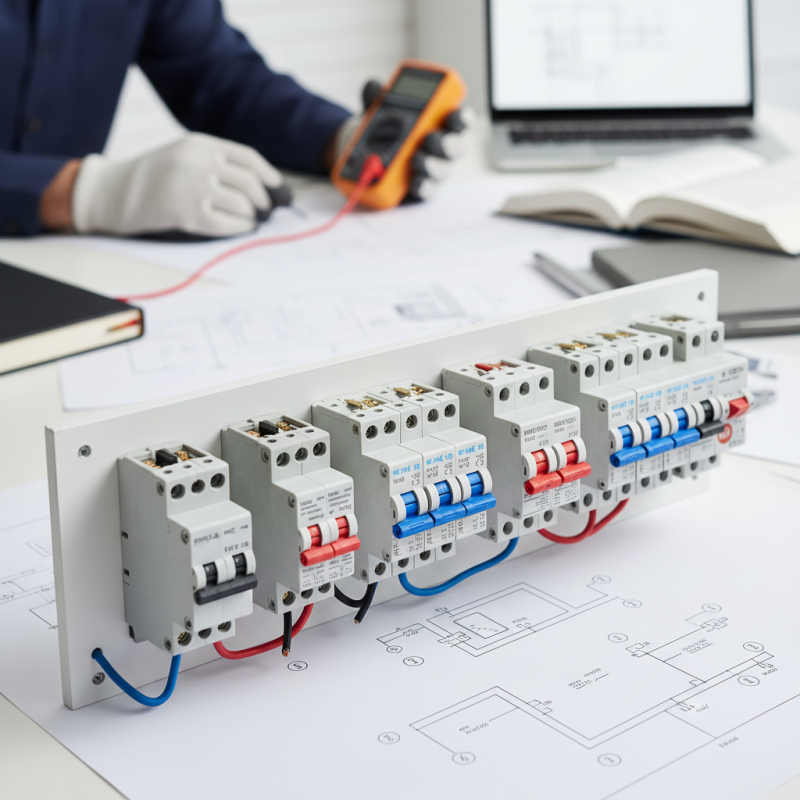
Understanding the Basics of Miniature Circuit Breakers (MCBs)
Miniature Circuit Breakers (MCBs) are essential for protecting electrical circuits. They automatically interrupt power flow during overcurrent conditions. Understanding how MCBs work can help you choose the right one.
MCBs are designed to switch off the electricity when excess current flows. This can prevent overheating and potential fires. They react quickly, typically within milliseconds. But not all MCBs are the same. They come in various types and ratings, leading to confusion for many users.
It’s vital to select an MCB based on your specific needs. Look at the load type, voltage, and prospective short circuit current. Also, consider factors like the installation environment. Ensure you understand the characteristics and limitations of each MCB. It is easy to overlook these details, but doing so can lead to insufficient protection. Always double-check your choices; it’s better to be safe than sorry.
Identifying Your Electrical Load Requirements and Usage Factors
When selecting a miniature circuit breaker (MCB), understanding your electrical load requirements is key. It's crucial to assess how much electrical load your devices will demand. For instance, a single large appliance may require more current than several smaller ones combined. Take the time to calculate the total wattage of the devices you plan to connect. This will help pinpoint the ideal MCB rating.
**Tip:** Always factor in some buffer capacity. It’s wise to choose an MCB that can handle slightly more than your total load. This provides a safety net against sudden surges. For example, if your devices total 15 amps, consider a 20 amp MCB.
Consider usage factors as well. Will your electrical load be constant, or do you anticipate spikes? High-demand appliances like refrigerators or air conditioners can cause fluctuations. An MCB that responds promptly to overloads will enhance safety.
**Tip:** Monitor your setup over time. Note any devices that seem to trip the breaker frequently. This could indicate that your MCB isn't sufficient or that your load profile changes unexpectedly. Balancing energy needs and protective measures is essential for a safe electrical environment.
How to Choose the Right Miniature Circuit Breaker for Your Needs
| Load Type | Typical Load Range (A) | Recommended MCB Rating (A) | Application |
| Lighting Circuits | 6-16 | 10 | Indoor lighting systems |
| Power Outlets | 10-32 | 16 | General-purpose outlets |
| Heating Appliances | 16-40 | 25 | Electric heaters, ovens |
| Industrial Machines | 16-100 | 32 | Factories, workshops |
| Air Conditioning Units | 10-50 | 20 | Residential/commercial HVAC |
Evaluating Voltage Ratings and Current Ratings for MCB Selection
When selecting a miniature circuit breaker (MCB), voltage and current ratings are crucial. Voltage ratings indicate the maximum voltage the MCB can handle. Most common ratings include 230V and 400V. Exceeding these can lead to failure. Current ratings determine how much current the breaker can carry reliably. Common ratings range from 6A to 63A. Each application may require different specifications, depending on the load.
Tip: Always match the MCB voltage and current with your circuit needs. This prevents unnecessary tripping or possible damage. Misjudging these can lead to costly failures. According to industry reports, incorrect MCB selection contributes to 35% of electrical failures.
Consider the type of load too. Resistive loads like heaters require a different approach than inductive loads like motors. Inductive loads typically require a higher breaking capacity to handle inrush currents. This detail often gets overlooked, resulting in poor equipment performance.
Tip: Consult with professionals when in doubt. Their expertise can guide you to specific MCB requirements based on your application's conditions. A small mistake in selection can lead to serious safety risks and financial loss. Adjust your selections based on evolving technology and standards for better outcomes.
Considering Trip Characteristics and Types of MCBs
When selecting a miniature circuit breaker (MCB), understanding trip characteristics is crucial. An MCB’s trip curve determines how it reacts to overloads and short circuits. For example, Type B breakers trip at lower currents; they are ideal for standard lighting and socket circuits. Type C breakers handle higher inrush currents, making them suitable for motors and transformers. Knowing your application helps narrow down choices.
Consider the operating environment as well. Some MCBs are designed for harsher conditions, featuring better resistance to humidity or dust. Others might not perform well outside standard indoor environments. It’s also essential to think about the expected load. Oversizing could lead to nuisance tripping, which can be frustrating. Conversely, undersizing can risk equipment damage during overloads. Take time to assess your specific needs.
Reflecting on the installation process is important too. Do you have adequate space in your panel? Will your MCB fit? These factors can complicate your selection. Ensuring that you integrate your electrical needs with the right MCB takes careful consideration. Small mistakes in this area can lead to bigger issues down the road.
Miniature Circuit Breaker (MCB) Trip Characteristics
Assessing Environmental Conditions and Installation Locations for MCBs
When selecting the right miniature circuit breaker (MCB), environmental conditions play a crucial role. Each installation site has unique attributes. For example, a humid space may affect the performance of your MCB. High humidity can lead to corrosion, which impairs functionality. Consider installing MCBs with IP ratings that protect against moisture.
Temperature is another significant factor. Extreme heat can disrupt circuit breakers, causing them to trip unexpectedly. This might lead to system failure when you need power the most. Conversely, frigid temperatures can cause sluggish performance. Aim for MCBs designed for a wide range of temperatures.
Installation location is equally important. Indoor environments require different specifications than outdoor setups. For instance, outdoor MCBs need to withstand dust and weather exposure. It might be wise to employ additional protective enclosures for outdoor installations. Make sure your selected MCB meets all these particular environmental criteria for optimal performance. Ignoring these factors can result in inefficiencies. Always assess your surroundings critically.
 Employee Login
  Contractors Induction