How to Choose the Right Micro Switch for Your Project?
Choosing the right micro switches is crucial for the success of any project. With global switch actuator markets expected to grow significantly, selecting the appropriate micro switch can impact performance and reliability. According to recent industry studies, the micro switch market is projected to experience a compound annual growth rate (CAGR) of 6.3% from 2021 to 2026. This data emphasizes the increasing importance of these components in various applications.
Micro switches offer various functionalities, including low power consumption and high durability. Inaccurate selections can lead to failures and increased costs. Different environments may require specific types of micro switches, and mismatches can affect overall performance. For instance, some switches are designed for high temperatures, while others are not. Understanding these parameters is vital in making informed decisions.
As you embark on your project, consider factors like actuation force and switching capacity. Each micro switch has unique specifications that can suit specific needs. However, it can be difficult to find the perfect fit. Balancing budget constraints with quality is another challenge. Therefore, reflecting on your requirements will help you navigate this complex landscape and achieve the best results.
Understanding the Basics of Micro Switches and Their Applications
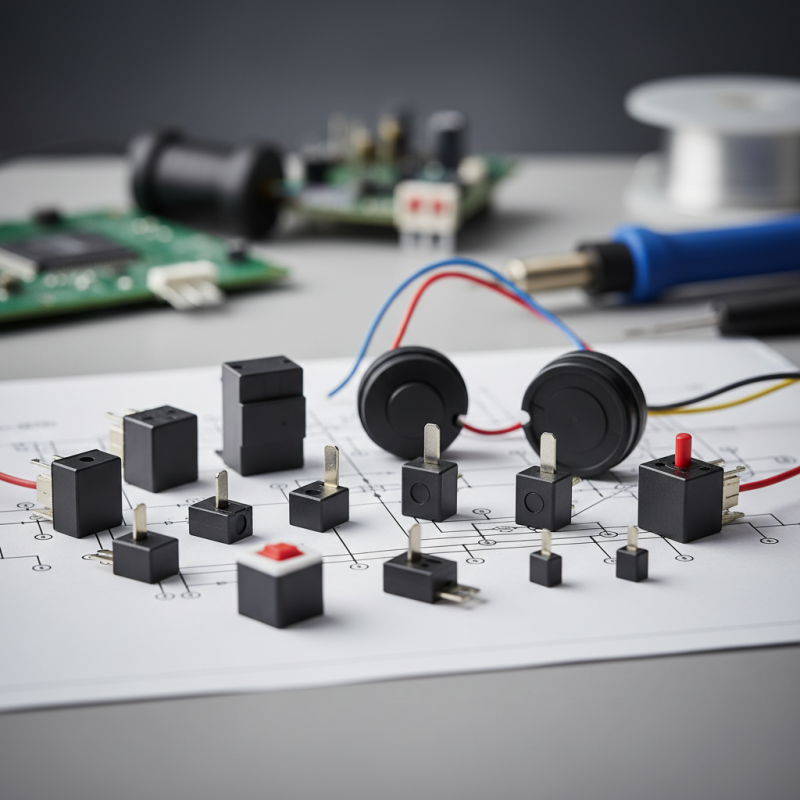
Micro switches are crucial components in modern circuitry. They act as small, but powerful, mechanical switches. Their design enables them to trigger an electrical signal with minimal pressure. This makes them perfect for various applications, from home appliances to industrial machines.
Understanding the basics of micro switches involves knowing how they operate. They typically have a roller or a button that activates the switch when pressed. Their sensitivity is a key feature. A light touch can produce a quick response. This attribute allows for precise actions in automated systems. Engineers often use them in safety mechanisms. They can instantly shut down machinery to prevent accidents.
When choosing a micro switch for a project, consider factors like operating temperature and voltage rating. Sometimes, choosing the right one can be challenging. A mismatched switch might lead to system failures or inefficiencies. Reflect on the unique demands of your project. Testing different options is wise. A little trial and error can lead to the right solution. The goal is to find a switch that meets your specific needs effectively.
How to Choose the Right Micro Switch for Your Project?
| Micro Switch Type | Operating Force (g) | Contact Configuration | Rated Voltage (V) | Applications |
| Standard Micro Switch | 200 - 800 | SPDT | 125 | Home Appliances |
| Sealed Micro Switch | 500 - 1500 | SPST | 250 | Automotive |
| Subminiature Micro Switch | 100 - 300 | SPDT | 12 | Consumer Electronics |
| Heavy Duty Micro Switch | 800 - 2000 | DPDT | 480 | Industrial Equipment |
| Micro Miniature Switch | 50 - 150 | SPST | 5 | Toys and Gadgets |
Factors to Consider When Selecting a Micro Switch for Your Project
When selecting a micro switch for your project, several key factors come into play. First, consider the operating environment. Is it indoors or outdoors? Temperature and humidity levels can affect performance. The material of the switch's housing is also essential. Durable materials resist corrosion and wear over time.
Next, think about the electrical specifications. You need to match the voltage and current ratings to your project’s requirements. Wrong ratings can lead to failure or hazards. Pay attention to the actuation force as well. This determines how much pressure is needed to activate the switch. If it's too heavy, it won't work efficiently.
Lastly, size matters. Ensure the switch fits within your design constraints. Compact designs may limit options, but they offer a neat finish. Sometimes, a larger switch can provide better handling and ease of use. Reflect on how these factors align with your goals. Sometimes, we get so focused on one aspect that other important details can slip through the cracks.
Comparing Different Types of Micro Switches: Pros and Cons
When selecting a micro switch, understanding the various types is crucial. Different designs offer unique advantages. For example, a basic toggle micro switch is simple and easy to implement. It allows for clear on-off functionality, making it ideal for straightforward applications. However, they can be less sensitive to pressure changes.
On the other hand, a precision micro switch offers greater responsiveness. These are better for projects requiring quick action. They can help enhance user experience, especially in time-sensitive applications. Yet, they may be more complex to integrate. This can lead to potential challenges during installation.
Lastly, slide switches provide versatility. They can operate in various orientations, making them suitable for compact designs. But these may not always deliver the same reliability as toggles or precision switches. An essential factor to consider is the environment where the switch will be used. Temperature and humidity can affect performance. So, choosing the right micro switch involves weighing these pros and cons carefully.
Evaluating Specifications: Contact Ratings, Size, and Mounting Options
When selecting a micro switch, evaluating specifications is crucial. Contact ratings define how much current the switch can handle. For small projects, low ratings may suffice. Larger systems require robust ratings. Always consider potential load conditions. A mismatch can lead to failures. In extreme cases, it may cause overheating.
Size matters too. Micro switches vary in dimensions. A compact switch fits tight spaces. However, it might limit connectivity options. Larger switches offer flexibility but can be cumbersome. Analyze your project's layout before choosing. Proper mounting options should also be examined. Some switches are designed for surface mounting, while others can be panel mounted. The correct mounting method ensures stability and effectiveness.
Convenience is vital, but remember, not all options suit your needs. A poorly rated switch can underperform. An oversized switch may complicate integration. Reflect on these aspects beforehand. Sometimes, the most straightforward choice is not the best one. Testing different switches in your setup can reveal important insights.
Testing and Reliability: Ensuring Your Micro Switch Meets Project Needs
Choosing the right micro switch is critical. Testing and reliability play a key role in successful project outcomes. A study shows that 40% of project failures occur due to improper component selection. Micro switches must be tested under real operating conditions to ensure they perform as expected.
Reliability should be quantifiable. Data indicates that micro switches can fail after 1 million operations in harsh environments. Consider factors like temperature, humidity, and mechanical stress. For instance, vibration can significantly affect longevity. Engineers often overlook these elements, leading to premature failures.
Product specifications are essential. They should include detailed performance metrics. However, some data may be inconsistent or misleading. If 30% of engineers report quality issues with suppliers, caution is necessary. It’s wise to verify with independent sources. Testing parameters should also be well-defined. This helps ensure that micro switches meet project requirements.
 Employee Login
  Contractors Induction