How to Create an Efficient Design of Electrical System for Your Projects
The design of electrical system is a crucial aspect of any engineering project, with its efficiency directly impacting performance and safety. According to a report by the International Energy Agency (IEA), effective electrical system design can lead to a reduction of energy losses by up to 30%, significantly contributing to both environmental sustainability and cost savings. As industries increasingly prioritize energy efficiency and sustainability, the demand for well-architected electrical systems has surged, prompting engineers to innovate and refine design methodologies.
Incorporating advanced software tools and simulation techniques has proven to enhance the design of electrical systems by enabling a more accurate representation of electrical loads and system interactions. A study by Gartner revealed that 80% of electrical engineers now utilize modeling software in their design processes, resulting in a notable decrease in project completion timelines and a reduction in potential errors. This trend underscores the importance of adopting cutting-edge technology as a foundational element in the design of electrical systems, facilitating improved collaboration and real-time problem-solving among project teams.
Ultimately, the design of electrical systems must account for not only current operational demands but also future scalability and compliance with emerging regulatory standards. As the electrical landscape evolves, projects that integrate forward-thinking design principles are poised for success, ensuring they meet the operational challenges of tomorrow while fostering a sustainable future.

Understanding the Fundamentals of Electrical System Design
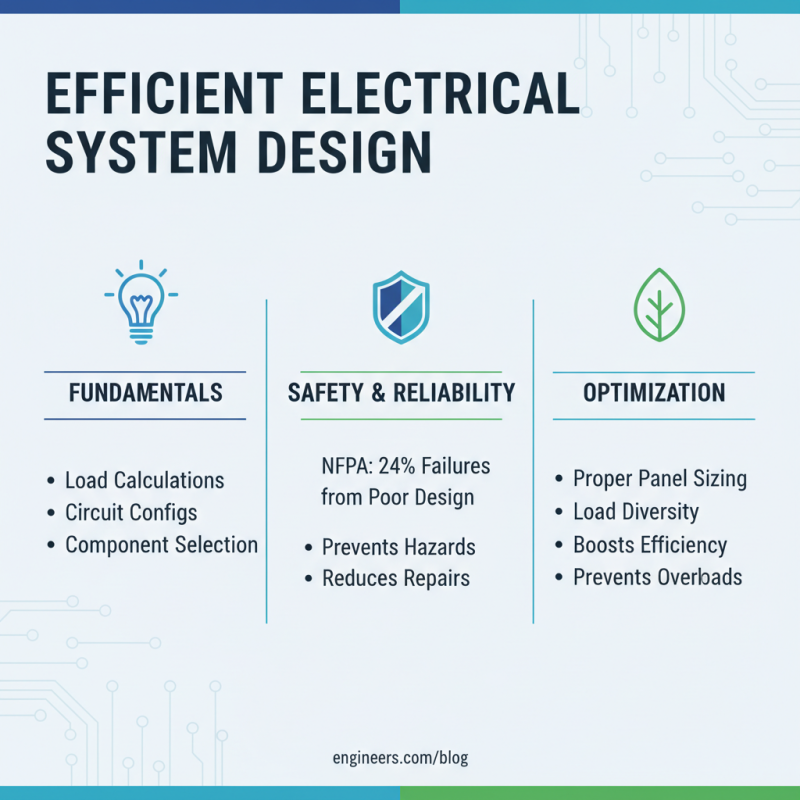
Understanding the fundamentals of electrical system design is crucial for engineers aiming to create efficient electrical systems for their projects. A well-designed electrical system not only meets the power requirements but also operates safely and sustainably. According to the National Fire Protection Association (NFPA), poorly designed or installed electrical systems account for approximately 24% of electrical failures, leading to costly repairs and safety hazards. Understanding load calculations, circuit configurations, and component selections is essential. Properly sizing electrical panels and considering the diversity factors of loads can enhance efficiency and reduce the risk of overloads.
Moreover, the integration of renewable energy sources in electrical systems is becoming a standard practice. A report from the International Energy Agency (IEA) states that renewable energy electricity generation rose to nearly 30% of global output in 2020. This shift emphasizes the need for electrical designs that can accommodate variable power sources while maintaining reliability. Utilizing smart grid technology can further improve system efficiency by optimizing energy distribution and reducing waste. Therefore, addressing these fundamentals in electrical system design is imperative for creating systems that are not only efficient but also aligned with modern energy trends.
Identifying Project Requirements and Specifications
When embarking on the design of an electrical system for your projects, it is crucial to begin by identifying the specific requirements and specifications that will guide the entire process.
A well-defined scope not only streamlines the design phase but also ensures compliance with local regulations and standards. Recent guidelines emphasize the importance of detailed planning documents that align with council standards and city plans, which can significantly enhance the success of a project.
In particular, safety requirements play a vital role in defining the parameters of your electrical system. The Safety Requirements Specification document is essential for outlining all necessary safety criteria that must be adhered to throughout the project lifecycle.
According to industry reports, addressing safety early on can reduce project risks and improve overall system reliability by up to 30%.
Furthermore, leveraging advanced technologies and incorporating updated materials into the design can elevate product performance, addressing the increasing demand for innovative solutions in both construction and manufacturing sectors.
Engaging stakeholders early in the requirement-gathering process also fosters collaboration and ensures that all project goals are met efficiently.
Selecting Appropriate Components for an Efficient Design
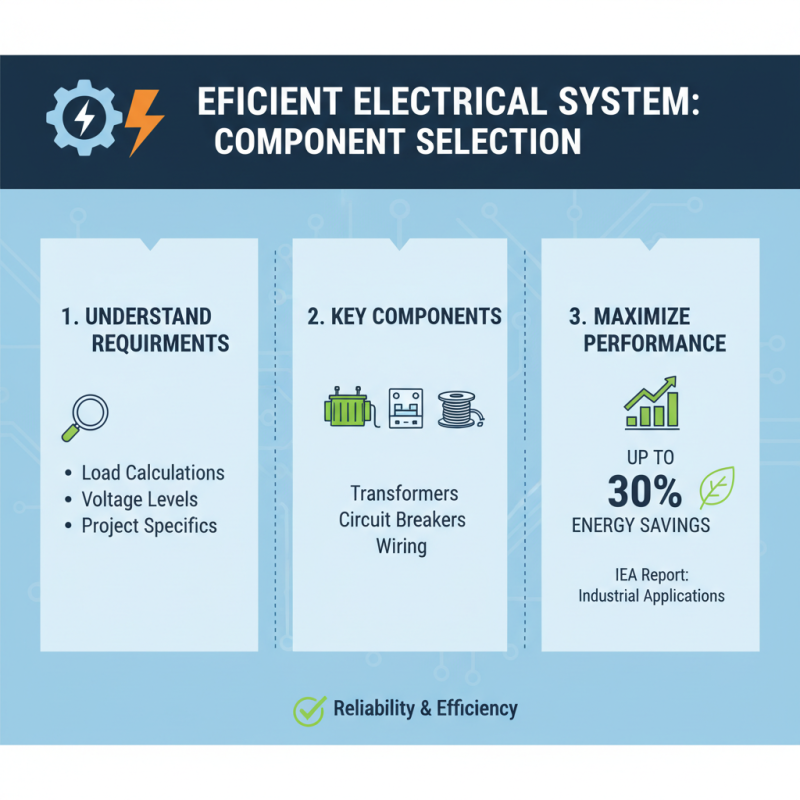
When designing an efficient electrical system, selecting appropriate components is crucial to maximize performance and reliability. According to a report by the International Energy Agency (IEA), optimizing component selection can lead to energy savings of up to 30% in typical industrial applications. This begins with understanding the specific requirements of the project, such as load calculations and voltage levels, to ensure that components like transformers, circuit breakers, and wiring meet the necessary standards.
Moreover, advancements in technology have led to the emergence of high-efficiency components, such as solid-state transformers and energy-efficient motors. A study by the Electric Power Research Institute (EPRI) indicates that upgrading to high-efficiency electric motors can reduce energy consumption by 2-8% per unit. Therefore, investing in these advanced components not only enhances operational efficiency but also reduces long-term operational costs. Careful consideration of component quality and compatibility will ultimately yield a robust electrical system capable of sustained performance.
Integrating Safety Standards and Regulations
When creating an efficient design of electrical systems for projects, integrating safety standards and regulations is paramount. The National Fire Protection Association (NFPA) reports that 17% of structure fires are caused by electrical malfunctions, underscoring the need for stringent safety protocols. Adhering to the National Electrical Code (NEC) and local regulations not only minimizes risks but also ensures that installations can withstand operational demands without compromising safety.
Additionally, compliance with safety standards like the International Electrotechnical Commission (IEC) guidelines ensures that electrical systems are designed for optimal performance and reliability. According to a study by the Electric Power Research Institute (EPRI), systems designed with adherence to regulatory frameworks typically exhibit a 30% reduction in operational failures. This highlights the correlation between safety compliance and system efficiency, making it crucial for electrical engineers and project managers to prioritize regulations in their design processes. Implementing these standards not only protects individuals and assets but also enhances the overall success of electrical projects.
Electrical System Design Efficiency
This bar chart illustrates the efficiency index of various aspects of electrical system design, highlighting the importance of design optimization and safety compliance in achieving regulatory adherence and cost efficiency.
Testing and Evaluating the Electrical System Performance
When developing an efficient electrical system design for your projects, testing and evaluating performance is critical to ensure reliability, safety, and functionality. Start with comprehensive testing protocols that cover various parameters such as voltage fluctuations, load capacity, and thermal performance. This will help you identify weak points in your design early in the process.
Tip: Utilize simulation software to model your electrical system before physical implementation. This can save time and resources by allowing you to predict how the system will behave under different conditions.
After initial testing, it's essential to perform iterative evaluations. Collect data on the performance metrics and compare them with the initial design specifications. This analysis is vital for troubleshooting issues and determining areas for improvement.
Tip: Engage in regular maintenance checks and performance reviews. Keeping a log of these evaluations ensures you can track changes over time and adjust your designs or systems as needed to maintain optimal performance.
 Employee Login
  Contractors Induction