What is Electrical Energy Storage Systems and How Do They Work?
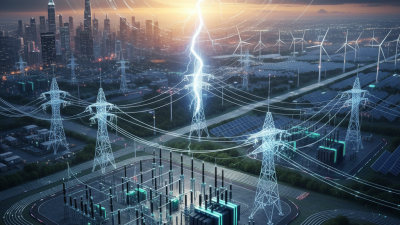
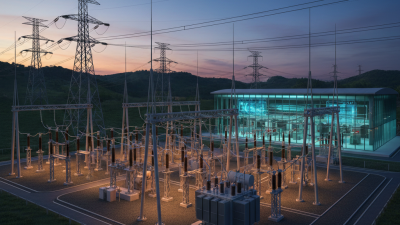
Electrical energy storage systems (EESS) are transforming how we manage power. These systems store energy for later use. According to a report by the International Energy Agency, global installed energy storage capacity reached 14.9 gigawatts in 2021, a significant increase. As Dr. Emily Ferguson, an expert in the field, noted, "The future of energy relies on efficient storage solutions."
EESS can mitigate energy supply challenges. They support renewable energy integration into the grid. However, challenges remain, such as high costs and technology limitations. The growing demand for energy storage presents both opportunities and hurdles in the industry. Despite advances, many systems still lack optimal efficiency.
Furthermore, regulations can impact the deployment of EESS. Local policies can create barriers or incentives for the industry. Innovative solutions are needed to address these limitations. As we move forward, understanding and improving electrical energy storage systems will be crucial for a sustainable energy future.
Definition of Electrical Energy Storage Systems
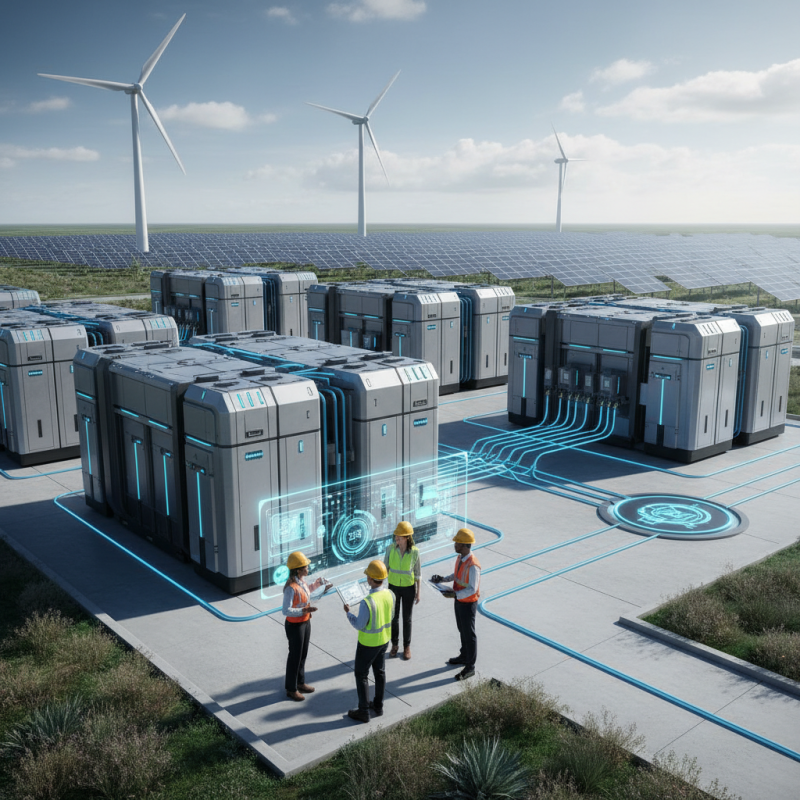
Electrical Energy Storage Systems (EESS) are designed to store energy for later use. They capture and hold electrical energy when it is abundant. When demand rises, this stored energy can be released efficiently. The technology is crucial in balancing supply and demand in power grids.
EESS can take various forms, like batteries, capacitors, and flywheels. Batteries are the most common. They convert electrical energy into chemical energy. In contrast, capacitors store energy in an electric field. Each has its advantages and limitations. For instance, batteries are great for long-term storage but might degrade over time. Capacitors discharge quickly but have lower energy density.
There's a growing need for efficient energy storage solutions. Renewable energy sources like solar and wind fluctuate in output. EESS helps manage these variations. However, challenges in technology and cost remain. Many still question the environmental impacts of some storage systems. This ongoing debate highlights the importance of continuous improvement and innovation in the field.
Annual Growth of Electrical Energy Storage Systems (2015-2023)
This bar chart illustrates the annual growth of installed electrical energy storage capacity from 2015 to 2023, showcasing how the technology is expanding over time to meet energy demands.
Types of Electrical Energy Storage Technologies
Electrical energy storage systems are crucial for managing energy supply and demand. These systems help store generated energy for later use. Several types of technologies exist for energy storage, each with unique features and benefits.
Batteries are among the most common storage technologies. They convert electrical energy into stored chemical energy. While they are effective, their efficiency can sometimes be a concern. Some battery systems may degrade over time, leading to performance losses. However, advancements are continuously being made.
Pumped hydro storage is another popular solution. It uses water reservoirs at different elevations to store energy. Water is pumped uphill when energy is abundant and released to generate electricity when needed. This method is reliable but can face geographical limitations.
Tips: When considering energy storage options, evaluate the space available. Not all solutions fit every environment. It’s essential to focus on the system that matches your specific energy needs. Additionally, stay updated on emerging technologies. They may offer improved efficiencies in the future, making your investment wiser.
Principles of Operation for Energy Storage Systems
Energy storage systems play a vital role in modern energy management. They capture energy for later use. The core principle involves converting electrical energy into a storable form. This process allows excess power, often generated from renewable sources, to be stored and used during peak demand times.
Batteries are the most common storage systems. They operate by using chemical reactions to store energy. When needed, these reactions reverse to release the stored energy. Other methods like flywheels and pumped hydro also serve this purpose. Flywheels store energy as kinetic energy, while pumped hydro uses gravitational potential energy.
However, not all systems are perfect. Some methods can be inefficient. For instance, energy losses during conversion can be significant. The lifespan of batteries is also a concern. Their performance can degrade over time. As technology evolves, ongoing improvements aim to address these challenges.
Energy storage systems hold great potential to optimize power usage and enhance grid stability.
Applications of Electrical Energy Storage in Modern Systems
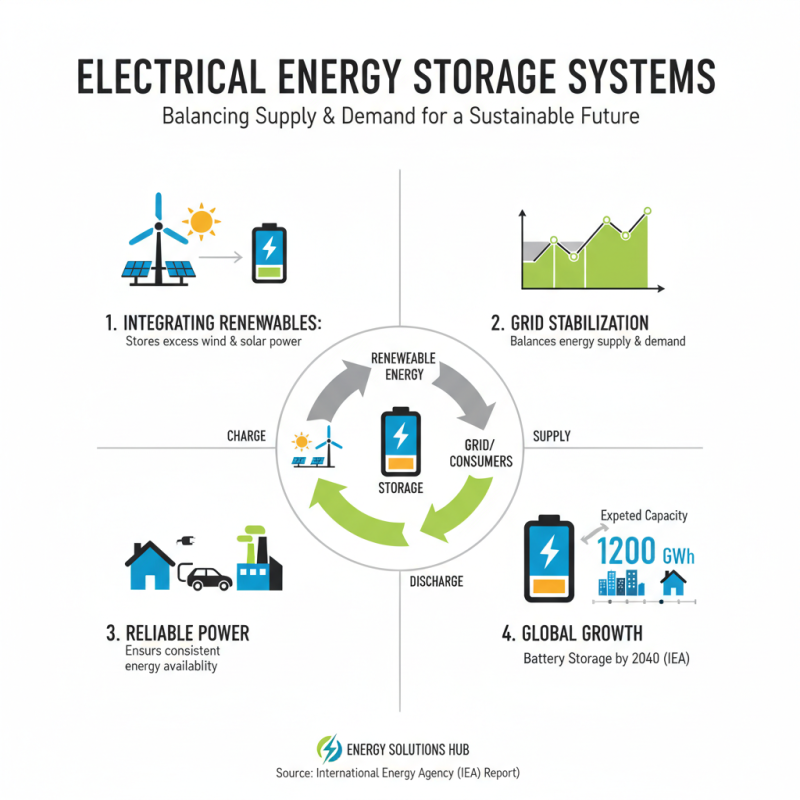
Electrical energy storage systems play a crucial role in modern energy management. They facilitate the efficient use of renewable sources like wind and solar. By storing excess energy, these systems help balance supply and demand. According to a report by the International Energy Agency, global battery storage capacity could reach 1,200 GWh by 2040. This increase highlights the growing need for efficient energy storage solutions.
Applications of these systems are vast. In grid stabilization, energy storage helps to mitigate fluctuations caused by variable renewable energy. For example, when solar production surpasses demand, excess energy can be stored for later use. Furthermore, energy storage is vital for electric vehicles, enhancing their range and usability. A study estimates that by 2030, electric vehicles will constitute 30% of total vehicle sales, driving the need for more advanced storage solutions.
However, challenges remain. Current battery technologies face issues like limited lifespan and efficiency. The reliance on rare materials for battery production raises environmental concerns. Thus, continuous research is essential. Exploring alternative materials and improving battery recyclability can lead to better solutions. Addressing these challenges can unlock the full potential of electrical energy storage systems in our modern world.
Benefits and Challenges of Implementing Energy Storage Solutions
Energy storage solutions
bring significant advantages to the modern energy landscape. They can store excess energy generated during peak production times, like sunny or windy days. This stored energy can then be released during high-demand periods. This flexibility helps stabilize the grid and reduces reliance on fossil fuels. Lower electricity bills can also be a perk for consumers.
However, implementing these systems isn’t without challenges. The initial investments can be high. Additionally, concerns linger around the environmental impact of some storage technologies. For example, battery production requires significant resources and energy.
Moreover, the lifespan of storage systems can vary widely, leading to concerns about long-term viability. While energy storage offers promise, it may not be a one-size-fits-all solution. These complexities highlight the need for further exploration and innovation in the field.
 Employee Login
  Contractors Induction