What is Electrical Power Systems and How Do They Work?
Electrical power systems are crucial for modern society. They deliver electricity from power plants to homes and businesses. According to a report by the U.S. Energy Information Administration, nearly 90% of all electricity generated in the United States relies on these systems. This statistic underscores their importance in daily life.
Dr. Emily Tran, a leading expert in electrical power systems, states, "A reliable electrical power system is the backbone of our economy." However, the industry faces challenges. Aging infrastructure and increasing demand test the efficiency of these systems. Moreover, renewable energy sources introduce complexities that are often not fully understood.
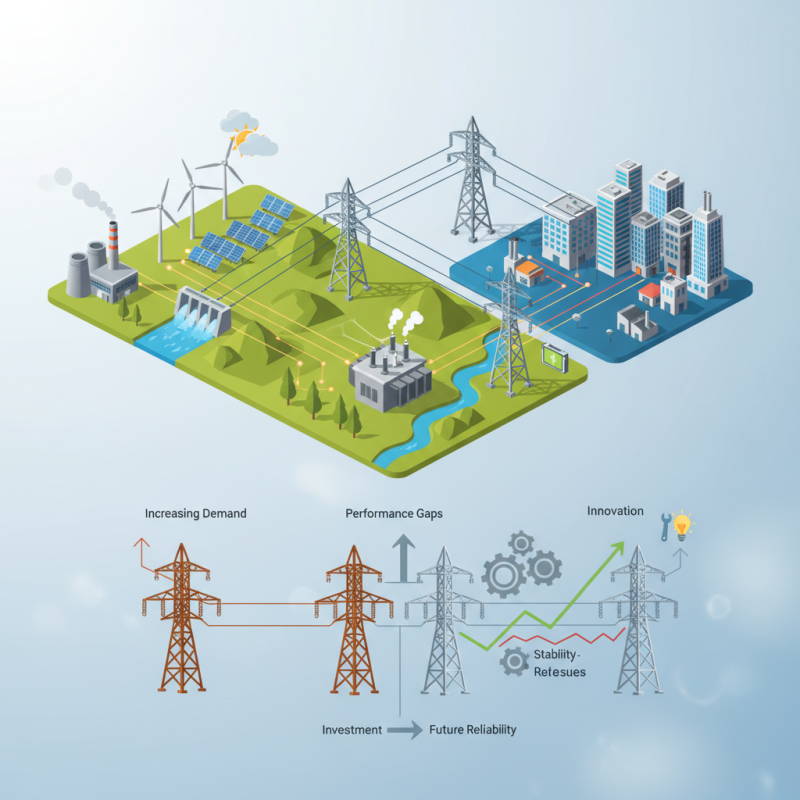
Despite advancements, there are still significant gaps in performance. Many systems struggle to maintain stability during peak demand. This reflects a need for ongoing innovation and investment. As we rethink our approach to electrical power systems, we must address these shortcomings. Without proactive measures, the risks to reliability and efficiency may grow.
What is an Electrical Power System?
An electrical power system is a complex network. It generates, transmits, and distributes electricity. This system includes power plants, transmission lines, substations, and end-users. Power plants convert energy into electrical power. The major sources include fossil fuels, nuclear energy, and renewables. Each source has its challenges and advantages.
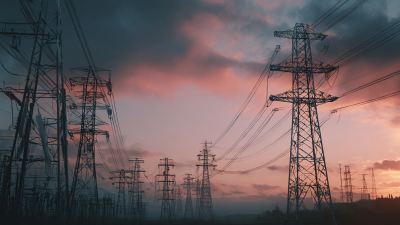
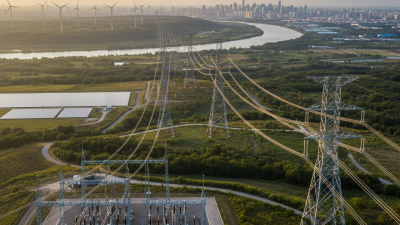
Transmission lines carry electricity over long distances. High voltage reduces energy loss during this process. However, building these lines can impact landscapes. Substations convert high voltage back to lower levels for safe distribution. Many times, they are located near populated areas. This proximity can be a point of concern for safety and reliability.
End-users are homes, businesses, and industries. They rely on stable electricity for everyday functions. Occasionally, outages happen, causing disruptions. Maintenance and upgrades are crucial for reliability. Yet, some systems still struggle to keep up with demand. Balancing supply and consumption is a continuous challenge. Understanding these systems requires ongoing reflection and adaptation.
Key Components of Electrical Power Systems
Electrical power systems are complex networks designed to deliver electricity from production points to consumers. The key components of these systems include generators, transformers, transmission lines, and distribution networks. Each plays a vital role in ensuring reliable power delivery.
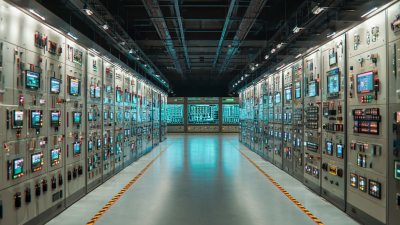
Generators convert mechanical energy into electrical energy. They can be powered by various sources, such as wind or water. However, not all generators are efficient. Some may produce excess waste, leading to environmental concerns. Transformers are next in line. They step up or step down voltage levels. This process minimizes energy loss during transmission. However, they can be inefficient if not properly maintained, leading to potential failures.
Transmission lines carry high-voltage electricity over long distances. They are engineered to handle significant loads but are vulnerable to weather conditions. Tornadoes and heavy storms can damage them. Finally, distribution networks deliver electricity to homes and businesses. These systems can face congestion issues, leading to outages. If not monitored, they might not meet peak demands, causing energy shortfalls. Understanding these components helps in recognizing the vulnerabilities and challenges within electrical power systems.
How Electrical Power Systems Generate Energy
Electrical power systems play a crucial role in generating energy for everyday use. They encompass various components that work together to convert or generate electricity from diverse sources. In 2022, regulatory reports indicated that the global electricity generation capacity reached over 2,800 GW, with renewable sources like solar and wind accounting for a growing share.
Energy generation primarily occurs through processes like thermal power generation, hydropower, and renewables like solar panels. In thermal plants, heat is produced from fossil fuels, which then drives turbines. Hydropower systems use flowing water to turn turbines, while solar panels convert sunlight directly into electricity. The shift toward renewable energy is notable; a recent study reported that renewable sources exceeded 30% of total generation for the first time in 2023.
Despite advancements, challenges persist. Many systems face inefficiencies in energy transmission and storage. For instance, energy loss during transmission can reach up to 8% in some regions. This indicates areas in need of improvement. Additionally, integrating diverse sources into one grid remains complex. Effective battery storage solutions are still developing, crucial for balancing intermittent power from renewables. These factors highlight the ongoing evolution of electrical power systems and the need for continued innovation.
What is Electrical Power Systems and How Do They Work? - How Electrical Power Systems Generate Energy
| Component |
Function |
Energy Source |
Generation Method |
Efficiency (%) |
| Power Plant |
Generates electrical energy |
Natural Gas |
Combined Cycle |
60 |
| Wind Turbine |
Converts wind energy to electricity |
Wind |
Mechanical to Electrical |
40 |
| Solar Panel |
Converts sunlight to electricity |
Sunlight |
Photovoltaic Effect |
20 |
| Hydroelectric Dam |
Generates energy from flowing water |
Water |
Turbine Rotation |
90 |
| Geothermal Plant |
Utilizes heat from the Earth |
Geothermal Energy |
Steam Production |
10-20 |
The Role of Transmission and Distribution in Power Systems
Transmission and distribution are vital components of electrical power systems. They ensure electricity flows efficiently from power plants to consumers. The transmission system carries high-voltage electricity over long distances. This reduces energy loss and maintains a reliable power supply. Lines crisscrossing the landscape serve as highways for electricity.
Once the high voltage reaches a substation, it undergoes a voltage reduction. This makes it safer for distribution through lower-voltage lines. However, issues can arise. Aging infrastructure may lead to outages or inefficiencies. In some areas, the demand for electricity exceeds supply, straining the system.
Distribution networks face challenges too. They rely on transformers and local grids. Weather events can disrupt service, damaging poles and wires. Some regions lack adequate backup systems. These vulnerabilities highlight the need for investment and innovation in power systems. Addressing these issues can ensure a more resilient future for electricity distribution.
Challenges and Future Trends in Electrical Power Systems
The landscape of electrical power systems is rapidly evolving, yet it faces significant challenges. Reliability remains a major concern. Aging infrastructure often leads to frequent outages. These failures can disrupt daily life and impact critical services. Furthermore, integrating renewable energy sources can be complex. Variability in solar and wind energy complicates grid management.
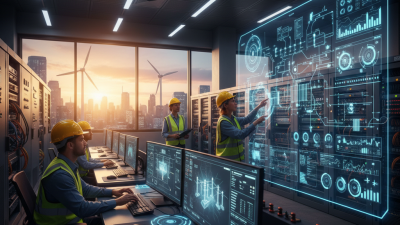
Emerging technologies offer promise but also raise questions. Smart grids can enhance efficiency, yet they require substantial investment. Cybersecurity threats are another pressing issue. As systems become smarter, they also become vulnerable to attacks. Addressing these vulnerabilities is crucial for safe operations.
Looking ahead, the role of energy storage is expanding. Advanced batteries and storage solutions can mitigate some challenges. They enable better management of supply and demand. Still, questions linger about sustainability and lifecycle impacts. The journey towards a robust and adaptable power system is fraught with hurdles. Continuous innovation and reflection on these challenges are essential.
Electric Power Generation by Source (2022)
 Employee Login
  Contractors Induction