In the quest for sustainable energy solutions, wind energy storage systems have emerged as a critical component in harnessing and optimizing renewable power. With the increasing reliance on wind energy to meet global electricity demands, selecting the right storage system becomes essential for efficiency, reliability, and cost-effectiveness. As the sector evolves, understanding the intricacies of wind energy storage is vital for both individual consumers and large-scale energy producers.
This article presents ten essential tips to guide you through the process of choosing the most suitable wind energy storage systems. From assessing your energy needs and evaluating different technologies to considering factors such as capacity, lifespan, and environmental impact, this guide aims to equip you with the knowledge necessary to make informed decisions. By exploring these tips, you will gain valuable insights into not only maximizing your investment in wind energy but also contributing to a greener future.
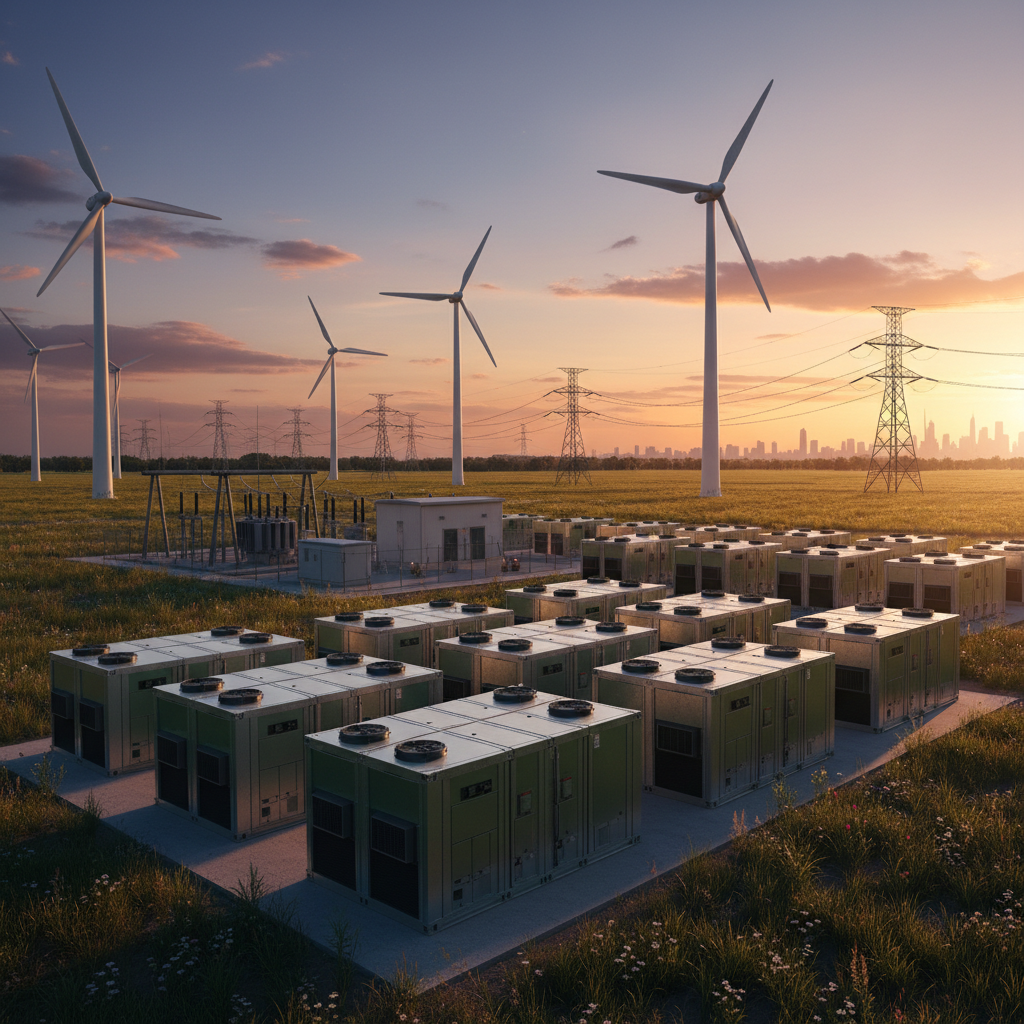
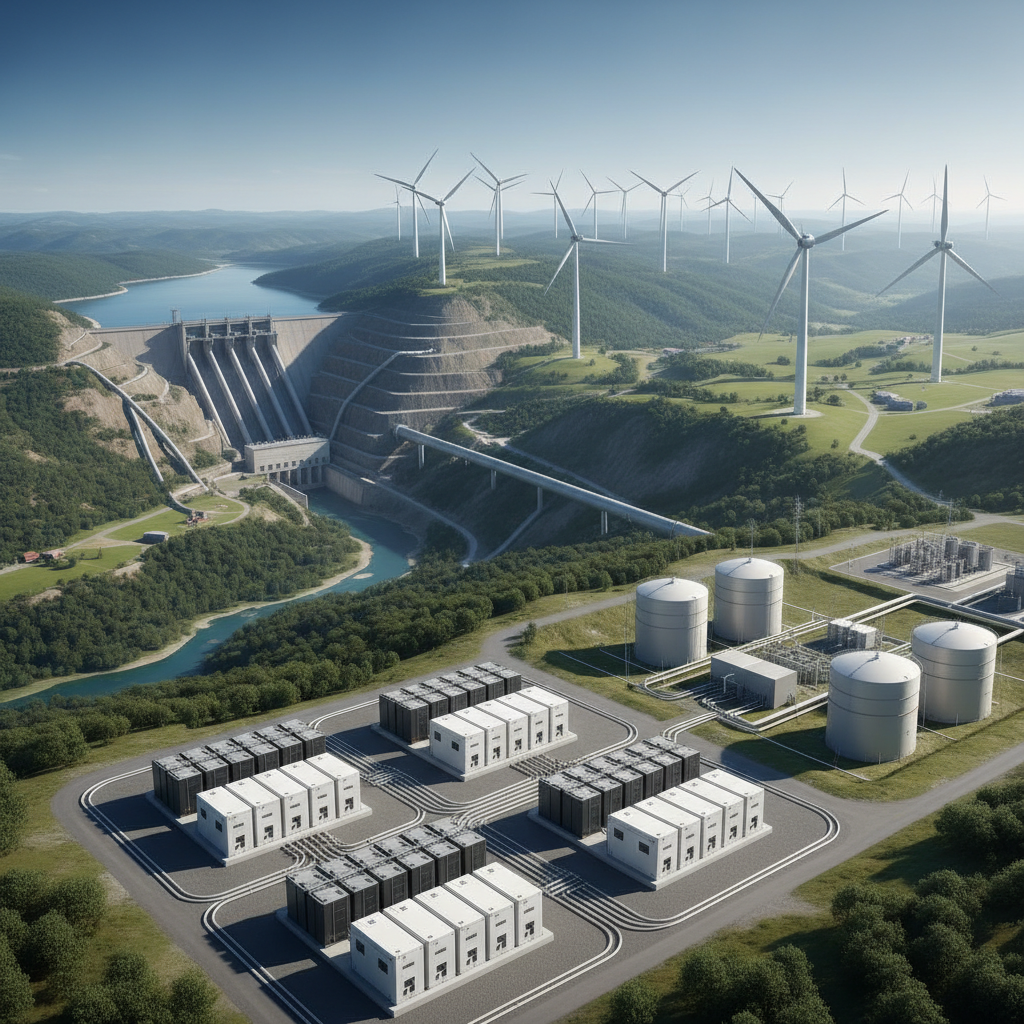
When choosing the right wind energy storage solutions, understanding the different storage options available is crucial. The energy storage landscape features a variety of technologies, each with distinct advantages. Pumped storage hydroelectricity, for instance, utilizes gravitational potential energy by storing water in elevated reservoirs and releasing it to generate electricity when needed. This method is recognized for its reliability and capacity for large-scale storage.
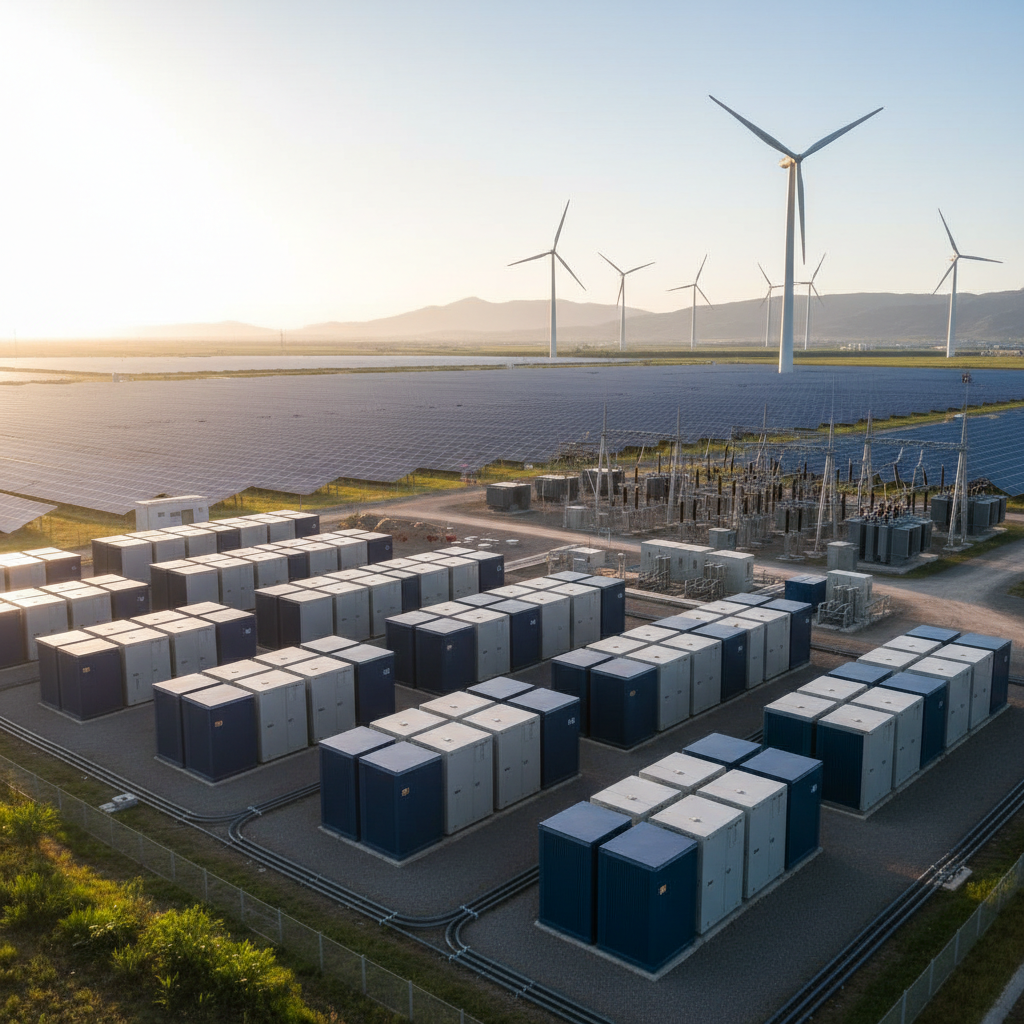
In addition to pumped storage, lithium-ion and lead-acid batteries are popular choices for wind energy storage. Lithium-ion batteries are favored for their high energy density and efficiency, making them suitable for both residential and commercial applications. Meanwhile, lead-acid batteries, though less efficient, offer a cost-effective solution for smaller scale energy storage needs. Thermal energy storage systems also present an innovative option, allowing for the conversion of excess wind energy into heat, which can be stored and used later to generate electricity. Each of these technologies plays a significant role in the future landscape of energy storage, highlighting the importance of selecting the right solution based on specific energy needs and infrastructure capabilities.

When selecting wind energy storage systems, evaluating their capacity and efficiency is paramount. The effectiveness of a storage system can significantly influence the overall performance of renewable energy integration. For instance, innovative design approaches, such as asymmetric electrolyte flow rate in vanadium redox flow batteries, have shown to enhance performance, allowing for more effective energy distribution and storage.
Moreover, as the demand for electricity continues to rise, particularly with the increasing reliance on renewable sources, it becomes essential to implement comprehensive performance evaluation methods. These methods must account for the new interaction requirements of power systems while also considering a holistic approach to sustainability. By focusing on both capacity configuration and the efficiency of various energy management strategies, such as hybrid systems that incorporate advanced materials for thermal energy storage, stakeholders can optimize the use and reliability of wind energy. This strategic evaluation not only maximizes output but also supports the transition toward more resilient energy infrastructures.
When assessing the scalability of wind energy storage options, it's crucial to consider the evolving demands of energy systems. A scalable storage solution should accommodate increased wind energy production while maintaining efficiency in energy management. Options such as lithium-ion batteries, pumped hydro storage, and compressed air energy storage each come with unique advantages and limitations, influencing their scalability potential. For instance, lithium-ion batteries offer modular expansion, making them suitable for both small-scale and large-scale applications. On the other hand, pumped hydro storage might require extensive geographical and environmental considerations, potentially limiting its scalability in certain regions.
Furthermore, the integration of innovative technologies can enhance the scalability of wind energy storage systems. Advanced grid management systems and artificial intelligence can optimize storage usage based on real-time data, improving responsiveness and efficiency. Additionally, hybrid systems that combine various storage technologies could provide balanced solutions, effectively addressing the inherent variability of wind energy. As the demand for renewable energy storage continues to rise, focusing on scalable storage options will play a pivotal role in ensuring a reliable and resilient energy future.
As the demand for renewable energy storage systems grows, understanding the cost factors and incentives associated with these technologies becomes crucial. The global solar energy storage battery market is projected to expand significantly, with an estimated increase from $6.39 billion in 2025 to $19.1 billion by 2032, reflecting a compound annual growth rate (CAGR) of 16.94%. This growth is partly driven by the increasing need for efficient energy management and innovative storage solutions, particularly in the Asia-Pacific region, where businesses are ramping up investments in public cloud storage to meet new data security and recovery requirements.
Moreover, the mobile energy storage systems market is also experiencing robust growth, with forecasts indicating an increase from $58.28 billion in 2025 to $156.16 billion by 2032, representing a CAGR of 15.12%. As companies strive to harness the benefits of cloud technologies while controlling costs, understanding the incentives and regulatory frameworks available for energy storage solutions is essential. These advancements not only support the transition to cleaner energy sources but also facilitate a more resilient and adaptive infrastructure capable of meeting the demands of tomorrow's energy landscape.
| Tip | Considerations | Cost Factors | Incentives |
|---|---|---|---|
| 1. Assess Energy Needs | Determine load requirements and duration | Load size, duration of storage | Tax credits for renewable energy investments |
| 2. Evaluate Storage Technologies | Explore types: batteries, pumped hydro, etc. | Technology choices impact initial cost | Grants for innovative storage technologies |
| 3. Assess Site Conditions | Evaluate environmental and geographical factors | Site preparation costs | Local/state incentives for renewable energy projects |
| 4. Consider Lifespan and Maintenance | Understand operational lifespan and upkeep needs | Long-term maintenance costs | Rebates for performance-efficient systems |
| 5. Analyze Total Cost of Ownership | Review upfront and operational expenses | Total lifecycle cost considerations | Financial incentives for lower emission technologies |
| 6. Investigate Grid Connection | Evaluate connectivity to existing grid | Potential upgrade costs for grid connections | Incentives for energy integration into the grid |
| 7. Review Regulatory Framework | Understand local and federal regulations | Compliance costs | Regulatory incentives for compliance |
| 8. Assess Environmental Impact | Conduct environmental assessments | Costs related to environmental compliance | Funding for eco-friendly initiatives |
| 9. Explore Partnership Opportunities | Look for joint ventures or collaborations | Shared costs and investment requirements | Investment incentives for partnerships |
| 10. Keep Up with Industry Trends | Stay informed on innovation and market changes | Costs of adapting to new technologies | Subsidies for adopting advanced technologies |
As the global renewable energy market is expected to grow from $1,078.7 billion in 2025 to $1,574.18 billion by 2032, focusing on the sustainability and environmental impacts of energy storage systems becomes increasingly crucial. Renewable energy sources, including wind, face challenges in consistent energy delivery. Battery energy storage systems (BESS) have emerged as a viable solution to address this gap, potentially transforming reliance on traditional diesel generators.
One essential tip for choosing the right wind energy storage system is to consider the lifecycle impact of the batteries involved. The global battery management system market is predicted to reach $46.94 billion by 2032, highlighting the importance of efficient energy management in maximizing sustainability. It's also vital to prioritize systems that incorporate advanced recycling solutions, as recovering materials from "end-of-life" batteries can save billions and significantly reduce pollution, particularly in lithium extraction.
Additionally, evaluating the energy efficiency of your storage solution is paramount. With data centers being a major part of global energy consumption, adopting innovative cooling techniques, like immersion cooling, paired with BESS can enhance energy efficiency and environmental performance. This multifaceted approach ensures that as we harness wind energy, we also cultivate a more sustainable future.