5 Essential Tips for Efficient Switchgear Power System Management
In the rapidly evolving landscape of electrical infrastructure, the efficiency and reliability of switchgear power systems are paramount. With a projected annual growth rate of over 5% in the switchgear market, industry professionals are increasingly recognizing the importance of effective management strategies. According to the International Energy Agency (IEA), over 80% of power outages can be attributed to failures in switchgear and related equipment, highlighting the critical nature of robust power system management.
Dr. Emily Carter, a renowned expert in electrical engineering, emphasizes the significance of this topic: “Efficient management of switchgear power systems not only enhances reliability but also ensures sustainability in our energy delivery.” As organizations strive to optimize performance and mitigate risks, implementing best practices in switchgear management becomes not just beneficial but essential for operational success.
The following discussion will outline five essential tips that can help power system managers effectively oversee switchgear operations, ensuring their systems are not only compliant with current regulations but also poised for future advancements. By focusing on these strategies, industry stakeholders can achieve higher reliability, reduced operational costs, and ultimately, better service for their end-users.

Understanding Switchgear: Key Components and Functions
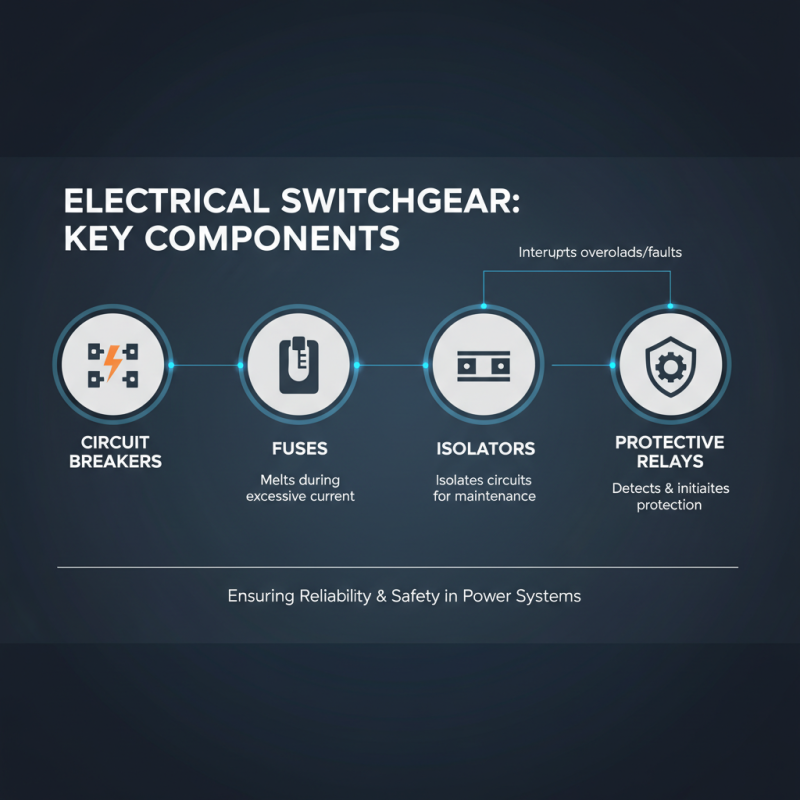
Switchgear is a critical component in electrical power systems, serving as a control and protection mechanism for various electrical circuits. Understanding the key components of switchgear is essential for effective power system management. Primarily, switchgear consists of circuit breakers, fuses, isolators, and protective relays. Each of these components plays a vital role in ensuring the reliability and safety of electrical distribution. Circuit breakers are designed to interrupt the flow of electricity during overloads or faults, while fuses provide an additional layer of protection by melting and breaking the circuit during excessive current situations.
Another important aspect of switchgear is its operational functions, which include controlling, protecting, and isolating electrical equipment. By employing isolators, operators can safely disconnect equipment for maintenance or inspection without compromising the entire system's integrity. Protective relays monitor electrical conditions and trigger actions—such as opening or closing circuit breakers—based on predetermined settings. This layered approach enables swift responses to anomalies, thereby minimizing downtime and enhancing the overall efficiency of power systems. Understanding these components and their functions is fundamental in implementing effective strategies for efficient switchgear management.
Importance of Regular Maintenance for Switchgear Systems
Regular maintenance of switchgear systems is a fundamental aspect of ensuring reliability and safety in power distribution networks. According to a report from the International Electrotechnical Commission (IEC), about 30% of electrical system failures can be traced back to inadequate maintenance practices. This statistic underlines the critical need for routine evaluations and servicing of switchgear components, which are essential for managing electrical energy effectively. Moreover, unplanned outages due to switchgear failures can lead to significant financial losses, estimated to exceed $10 billion annually in various industries, thereby emphasizing the importance of preventative measures.
Regular maintenance not only extends the lifespan of switchgear but also enhances operational efficiency. When switchgear is properly maintained, the likelihood of short circuits, insulation failures, and equipment wear substantially decreases. A study conducted by the Electric Power Research Institute (EPRI) found that systems with scheduled maintenance showed a 40% reduction in downtime compared to those that did not adhere to regular checks. Implementing a comprehensive maintenance strategy that includes thermal imaging, inspections, and timely replacements can significantly mitigate risks, ensuring that power systems operate at optimal performance levels.
Implementing Effective Monitoring Techniques for Performance Optimization
Effective monitoring techniques are crucial for optimizing the performance of switchgear power systems. By implementing advanced monitoring solutions, operators can gain real-time insights into the operational conditions of the switchgear. This involves the use of sensors and data analytics to track parameters such as temperature, current load, and voltage levels. With this data, anomalies can be detected early, enabling preventive maintenance that avoids costly downtime and extends the lifespan of the equipment.
Moreover, integrating intelligent monitoring systems allows for the automation of diagnostics and alerts. These systems can provide operators with notifications about potential failures or performance degradation, facilitating timely interventions. Visualization tools and dashboards can further enhance decision-making by presenting complex information in an easily understandable format. By utilizing these effective monitoring techniques, organizations can ensure their switchgear systems operate at peak efficiency, thereby improving overall reliability and safety in power distribution.
Monitoring Techniques for Power System Management
Strategies for Enhancing Safety in Switchgear Operations
When managing switchgear operations, prioritizing safety is paramount. One of the key strategies to enhance safety is to conduct regular maintenance and inspections. This proactive approach ensures that any potential issues are identified and rectified before they lead to serious incidents. Routine checks on the condition of insulation, operational mechanisms, and the integrity of protective devices are essential. Implementing a standardized maintenance schedule can make a significant difference in preventing equipment failures and ensuring the safety of personnel.
Another crucial aspect is to invest in training and development for the staff involved in switchgear operations. Proper training not only equips employees with the necessary technical skills but also instills a safety-first mindset. Training programs should focus on emergency response procedures, hazard recognition, and safe operating practices specific to switchgear systems.
Encouraging a culture of safety where employees feel empowered to report unsafe conditions or practices can lead to significant improvements in overall safety performance. Additionally, incorporating visual aids such as clear labeling and signage can further enhance safety by providing essential information at a glance.
Integrating Smart Technologies for Future-Ready Power Management
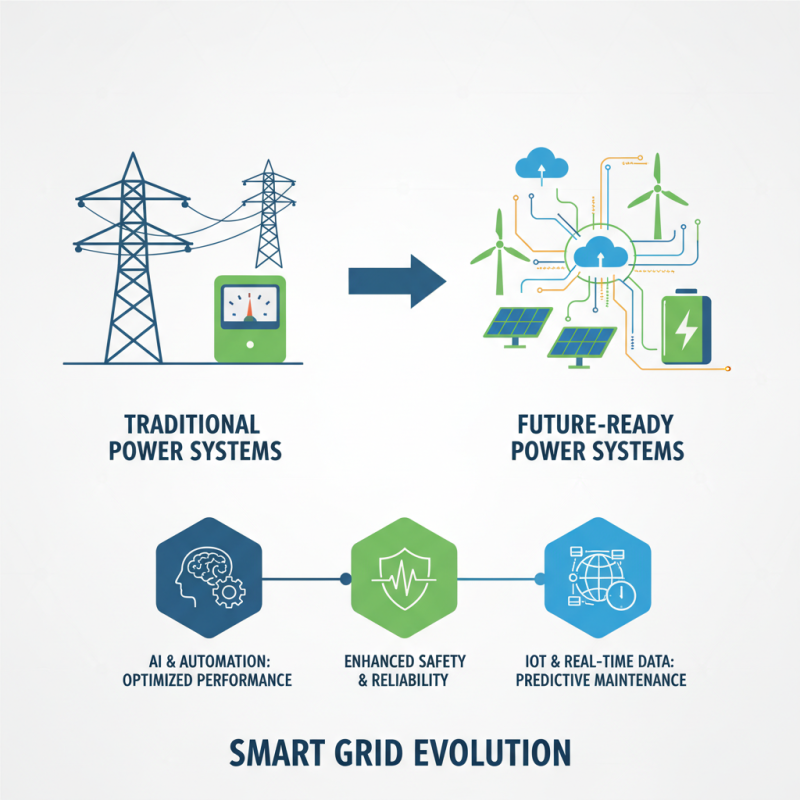
As power systems evolve, integrating smart technologies becomes essential for future-ready management. The implementation of advanced analytics and automation not only optimizes performance but also enhances safety and reliability. By leveraging Internet of Things (IoT) devices, operators can monitor real-time data, ensuring that systems remain responsive to dynamic changes in load and demand. This integration facilitates predictive maintenance, minimizing downtime and extending the lifespan of critical components.
Tip 1: Invest in smart metering solutions. These devices allow for precise measurement of energy consumption and can help identify inefficiencies, leading to cost savings and improved operational efficiency.
Additionally, artificial intelligence can play a transformative role in power system management. AI algorithms can analyze large datasets to forecast energy usage patterns, enabling better resource allocation and demand response strategies. This proactive approach not only improves reliability but also supports sustainable energy practices.
Tip 2: Utilize cloud-based platforms for data collection and analysis. This enables seamless access to information across teams, fostering collaboration and enhancing decision-making processes.
By merging smart technologies with traditional power systems, operators can create a more resilient infrastructure ready for the challenges of tomorrow's energy landscape. The future of power management lies in embracing innovation and adaptability.
 Employee Login
  Contractors Induction