Essential Guide to Low Voltage Power Systems for Global Buyers?
In today's fast-paced technological world, understanding low voltage power systems is crucial for global buyers. Renowned expert Dr. Emily Zhang, a leader in power system engineering, emphasizes, "Low voltage power systems are the backbone of modern energy solutions." This statement highlights the importance of these systems in various applications.
Low voltage power systems are commonly used in residential, commercial, and industrial settings. They provide reliable energy distribution, ensuring safety and efficiency. However, navigating this market can be challenging. Buyers must consider various factors, such as voltage ratings and installation standards. There can be confusion about the specifications and compliance requirements.
Approaching this sector requires clarity in understanding components and technologies. It’s vital for buyers to reflect on their needs and seek expert guidance. In doing so, they can make informed decisions. Whether you're new to low voltage power systems or looking to upgrade, staying informed is key. This guide aims to provide valuable insights to streamline your purchasing process.

Overview of Low Voltage Power Systems and Their Applications
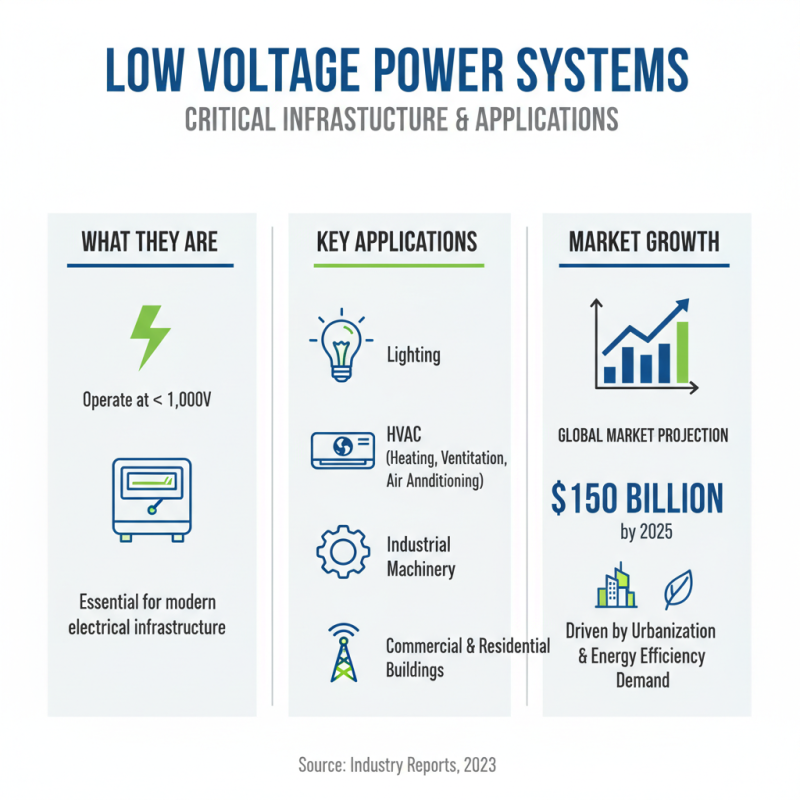
Low voltage power systems are critical in modern electrical infrastructure. They operate at voltages below 1,000V and cater to various applications, including lighting, HVAC, and industrial machinery. According to recent industry reports, the global low voltage equipment market is projected to reach $150 billion by 2025, driven by growing urbanization and the demand for energy efficiency.
In commercial buildings, low voltage power systems enhance energy management. They facilitate automation and reliable power delivery. However, the complexity of these systems can lead to implementation challenges. It's essential for buyers to evaluate their specific needs and infrastructure capabilities before selecting appropriate solutions. Maintaining safety standards is paramount, as improper installations can pose risks.
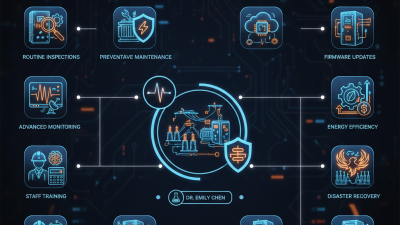
Tips: Consider seeking guidance from industry experts. A thorough assessment of your facility’s energy consumption can help identify potential areas for improvement. Regular maintenance is also crucial in ensuring system reliability and longevity. Additionally, staying informed about technological advancements may enhance your system’s performance, ultimately leading to improved energy efficiency.
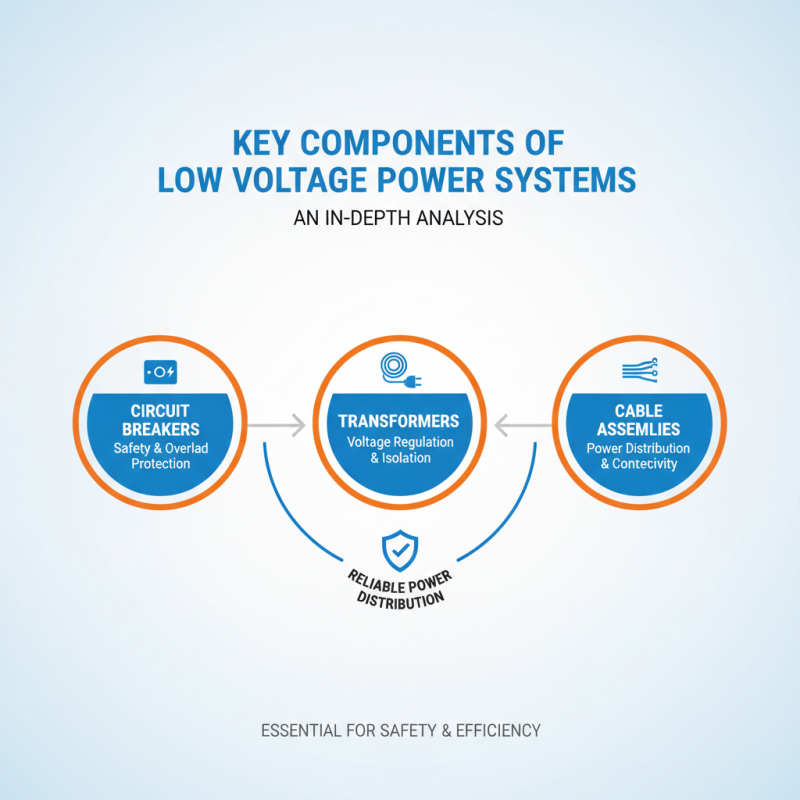
Key Components of Low Voltage Power Systems: An In-Depth Analysis
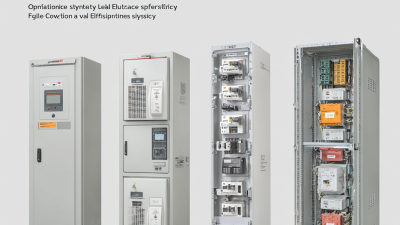
Low voltage power systems play a crucial role in various applications. They are essential for safety and efficiency. Key components include circuit breakers, transformers, and cable assemblies. Each part must work seamlessly together to ensure reliable power distribution.
Circuit breakers act as protective devices. They interrupt current flow in case of overloads. This prevents damage to equipment and reduces fire hazards. Transformers, on the other hand, step down the voltage for use in different devices. Their efficiency directly impacts energy waste, making them vital for sustainability.
Cable assemblies connect all components, ensuring a secure power flow. The quality of these cables affects performance. Poor connections can lead to greater resistance and heat. Products and installations should be regularly inspected for reliability. Low voltage systems are complex but crucial for modern infrastructure. Balancing efficiency and safety is a continuous challenge that demands rigorous analysis.
Global Market Trends in Low Voltage Power Systems: Facts and Figures
The global low voltage power systems market is evolving rapidly. According to a recent report, the market was valued at approximately $39 billion in 2022 and is projected to expand at a CAGR of 6.7% from 2023 to 2030. This growth is driven by rising electricity demands and increasing infrastructure investments, especially in developing regions. Countries in Asia-Pacific, particularly India and China, are leading this transformation.
Regional trends show a significant shift towards sustainable solutions. Many buyers are showing interest in energy-efficient technologies. For instance, the adoption of smart meters has risen significantly, boosting operational efficiency. However, the transition poses challenges. The gap in technology integration remains an issue. Some businesses struggle to adapt their existing systems to modern low voltage frameworks.
Emerging markets are seeing a surge in installations of low voltage equipment. A report noted that nearly 70% of new constructions incorporate these systems. This trend highlights a response to both regulations and consumer demands for more reliable power supply. However, the lack of qualified professionals in some areas creates uncertainty about successful implementation. As this market progresses, stakeholders must address these skills shortages to ensure sustainable growth.
Safety Standards and Regulations for Low Voltage Power Systems Worldwide
Low voltage power systems play a crucial role in today's electrical infrastructure. In various regions, safety standards and regulations ensure their reliability and efficiency. For instance, the International Electrotechnical Commission (IEC) provides guidelines that equip manufacturers with vital criteria for compliance. According to a recent report, adherence to these standards can reduce electrical accidents by up to 30%.
When operating low voltage systems, safety must not be overlooked. Always prioritize regular inspections and maintenance to identify potential risks. Remember, a minor issue can escalate into a larger problem if not addressed timely. It’s essential to familiarize yourself with local regulations, which can vary widely. Some regions might have unique requirements, which may not be evident until after installation.
Tip: Invest in training for your team regarding updated safety protocols. Knowledgeable personnel are key to preventing mishaps. Furthermore, document all safety processes and compliance checks meticulously. This practice not only ensures adherence but also helps in case of audits or assessments. The importance of understanding and applying these regulations cannot be understated in maintaining operational integrity and safety.
Future Innovations in Low Voltage Power Technologies and Their Impact
The future of low voltage power technologies is bright and promising. Innovations are emerging that can significantly enhance energy efficiency. Smart grid systems, for instance, are becoming integral. They enable better energy distribution and real-time monitoring. By minimizing waste, these systems offer a direct benefit to both consumers and industries.
Another exciting development is energy storage solutions. Advanced batteries and capacitor technologies are evolving quickly. These innovations allow for better integration of renewable sources, like solar and wind. As storage solutions improve, the reliability of low voltage power systems will increase. However, challenges remain in scaling these technologies for widespread use.
Integration of artificial intelligence is another area of growth. AI can optimize power consumption in real-time. Yet, ensuring data security is critical when implementing such systems. The balance between innovation and reliability poses ongoing challenges. Stakeholders must address these issues thoughtfully to create sustainable solutions.
 Employee Login
  Contractors Induction