How to Implement a Power Quality Management System for Better Efficiency?
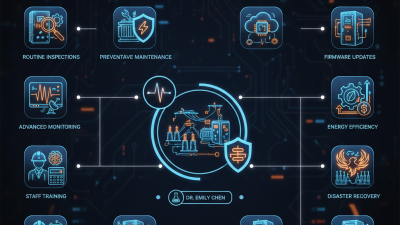
In today's manufacturing landscape, the importance of a power quality management system cannot be overstated. According to Dr. Emily Chen, a leading expert in the field of power quality, “Effective management of power quality directly impacts operational efficiency.” This statement highlights the need for stringent measures to ensure smooth power supply and system operation.
Implementing a power quality management system involves addressing various challenges. These challenges can include voltage fluctuations, harmonics, and transient disturbances. Without proper management, these issues can lead to costly downtime and equipment malfunctions. Many companies underestimate the costs associated with poor power quality. This oversight can result in significant financial losses.
Moreover, investing in a robust power quality management system requires reflection. It's crucial to assess existing infrastructure and determine areas for improvement. Businesses often delay these evaluations, thinking that issues will resolve themselves. This mindset can be detrimental over time, leading to ineffective systems and unprepared responses to power quality events. The road to better efficiency begins with proactive management.

Understanding Power Quality and Its Importance in Electrical Systems
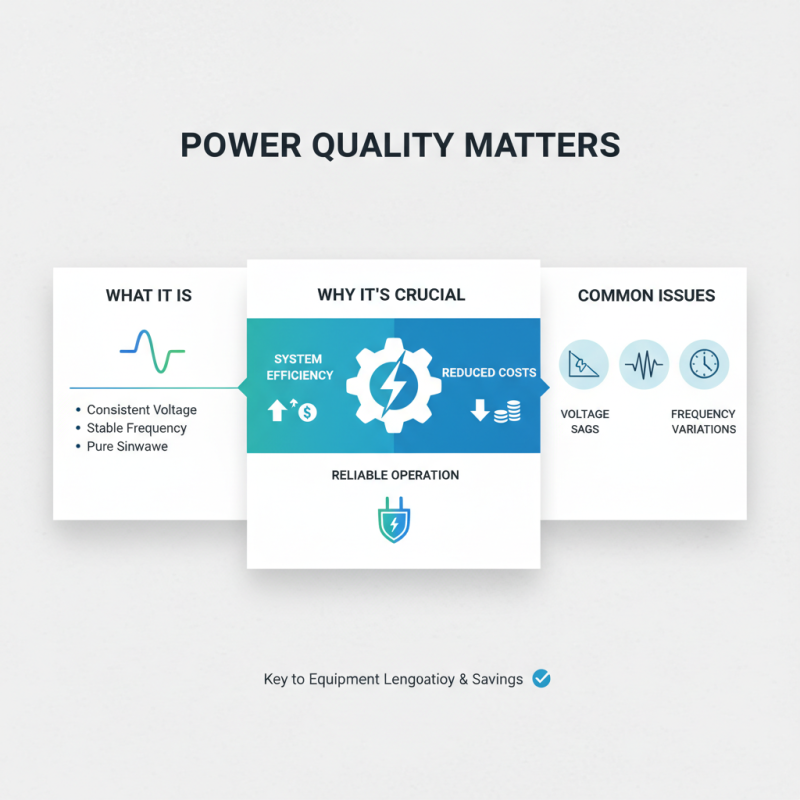
Power quality is crucial for the efficiency of electrical systems. Poor power quality can lead to equipment malfunction and increased operational costs. This emphasizes the need to understand power quality parameters, such as voltage sags, harmonics, and frequency variations.
Tips: Regularly monitor voltage levels. This can help identify issues early. Tracking anomalies can lead to more reliable systems.
Moreover, addressing power quality issues requires a proactive approach. Many systems lack adequate filtering, leading to distortion. Harmonics can accumulate and affect overall performance. Review your current setup and consider small adjustments. Even minor changes can yield significant benefits.
Tips: Engage with equipment that compensates for power factor. This can enhance energy efficiency. Educating staff on power quality can also help.
Investing time in understanding power quality pays off. You may not see immediate results. However, consistent monitoring and improvements will build a foundation for a more efficient system. Stay alert to fluctuations and prepare for possible challenges.
Key Components of a Power Quality Management System
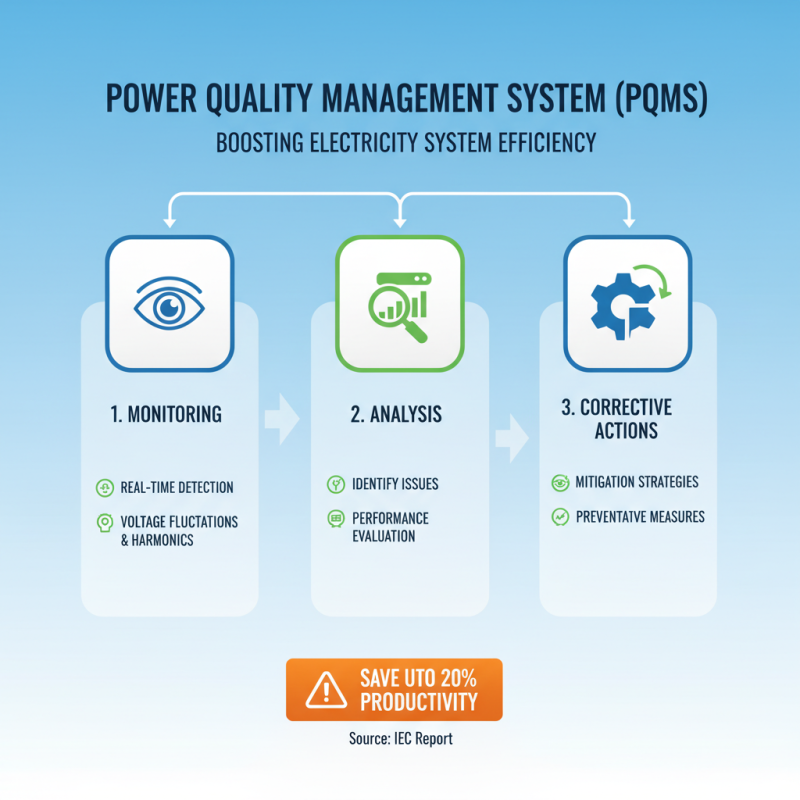
A Power Quality Management System (PQMS) is essential for enhancing efficiency in electricity systems. Key components of a PQMS include monitoring, analysis, and corrective actions. According to a recent report by the International Electrotechnical Commission, power quality issues can lead to a 20% productivity loss in manufacturing. This highlights the need for robust monitoring systems to identify voltage fluctuations and harmonics in real-time.
Monitoring tools must be precise and reliable. Analytical software interprets data to pinpoint energy efficiency issues. Machine learning algorithms can predict potential failures, allowing for proactive measures. However, companies often struggle with managing large data volumes effectively. This can lead to misinterpretations and ignored anomalies, escalating into larger problems.
Corrective actions are equally crucial. Implementing power factor correction and voltage regulation can improve overall efficiency by as much as 15%. Yet, not all organizations prioritize these investments. Some may hesitate due to initial costs, underestimating long-term savings. Continuous training on PQMS for staff is often overlooked, creating gaps in knowledge. This negligence can lead to recurring issues, affecting the bottom line and energy sustainability.
Step-by-Step Process for Implementing Power Quality Management
Implementing a Power Quality Management System is crucial for enhancing operational efficiency. The process begins with assessing the current power quality. Gather data on voltage fluctuations, harmonics, and outages. Use monitoring tools to spot issues. This initial step sets the baseline for improvements.
Tips: Regular audits can help identify recurring problems. Ensure you involve key stakeholders to understand their perspectives. This collaboration fosters better solutions.
Next, develop a strategic plan based on your findings. Set clear goals for power quality improvement. Prioritize actions that yield the highest returns. It is critical to keep the plan flexible. Sometimes unexpected issues will arise, requiring adjustments.
Tips: Document every step you take. This documentation can reveal patterns over time. Always question if your current methods are effectively addressing the issues at hand. Reflection can lead to valuable insights.
Power Quality Metrics Comparison
This chart illustrates various power quality metrics as a percentage. Monitoring these metrics is essential for implementing a Power Quality Management System, enabling better efficiency and reliability in power systems.
Monitoring Tools and Techniques for Power Quality Assessment
Assessing power quality requires the right tools and techniques. Monitoring tools provide real-time data. They can detect voltage dips, harmonics, and transients. According to the Power Quality Research Institute, poor power quality can cause energy losses of up to 20%. It's crucial to identify these issues early.
Data loggers are essential for long-term monitoring. They collect data over weeks or months. This helps in understanding patterns in power quality. Additionally, power analyzers offer detailed insights. They can analyze waveforms and identify root causes of power disturbances. A study by the Electrical Research Association highlighted that 70% of electrical equipment failure is linked to poor power quality.
Periodic assessments using these tools can reveal hidden problems. Many facilities fail to address minor disturbances. Over time, these can escalate. Regularly monitoring power quality not only improves efficiency but also extends equipment life. Investing in proper tools may seem costly. However, the long-term savings can be significant. Trouble arises when organizations overlook these initial expenses, only to face larger setbacks later.
Continuous Improvement Strategies for Power Quality Management
Power quality management is essential for operational efficiency. However, many organizations face challenges. These hurdles often stem from outdated practices or inadequate technologies. Addressing these issues is crucial for building a robust power quality management system.
Continuous improvement strategies are vital. Regularly assess power quality data to identify patterns and anomalies. This analysis reveals areas needing attention. Implementing training programs for staff can enhance their understanding. Effective training ensures that employees are aware of power quality issues and can act responsively.
Feedback loops are another strategy worth considering. Create a platform where staff can share experiences related to power quality incidents. This open dialogue fosters a culture of improvement. Regular reviews and updates to policies also help to adapt to changing conditions. Embrace the idea of learning from mistakes; acknowledging failures can lead to significant advancements in efficiency.
 Employee Login
  Contractors Induction