2025 How to Improve Power Quality in Power System Using Advanced Technologies
In today's rapidly evolving energy landscape, ensuring the reliability and stability of power delivery is more critical than ever. One essential aspect that underpins the efficiency of electricity networks is the power quality in power system operations. Fluctuations in voltage, frequency variations, and other disturbances can not only affect the performance of electrical devices but can also lead to significant economic implications. As the demand for electricity continues to rise alongside the integration of renewable energy sources and smart technologies, the need for advanced strategies to enhance power quality has become a priority for utilities and industries alike.
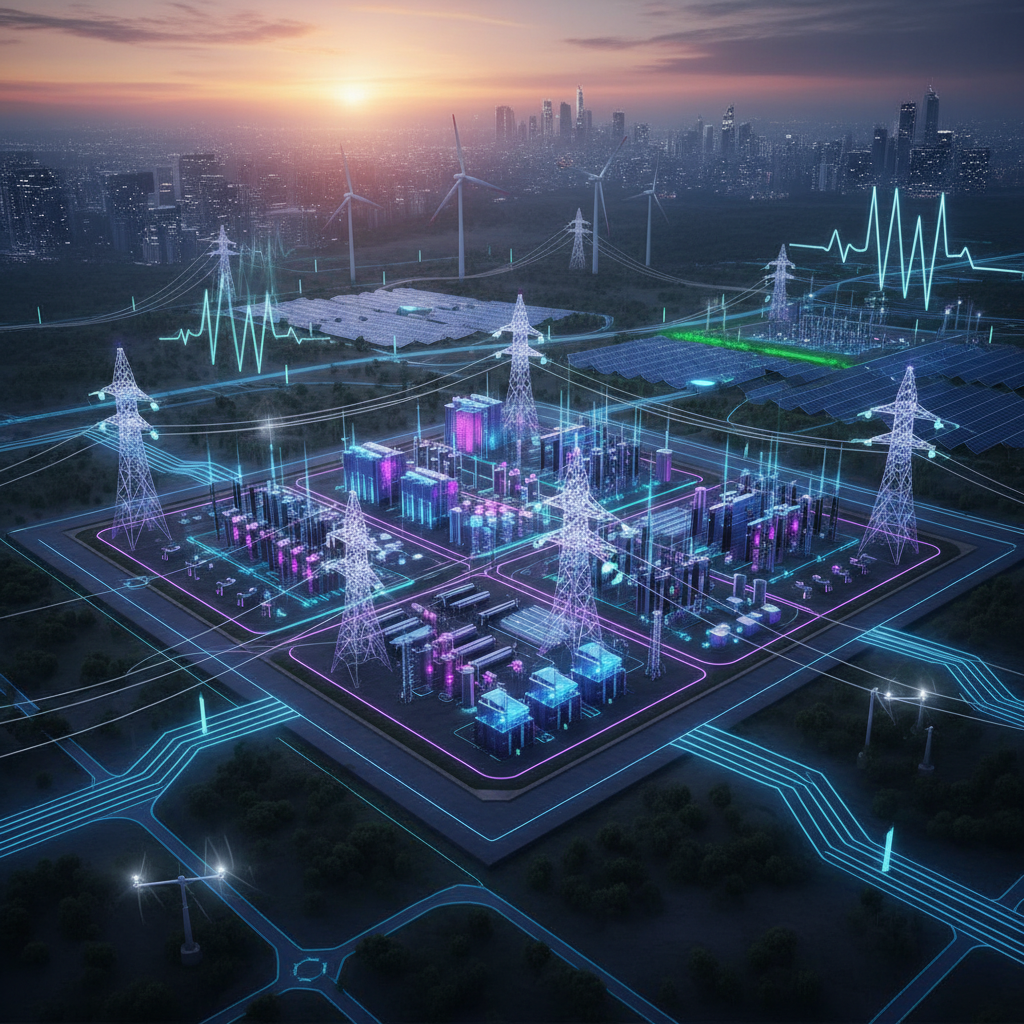
This paper explores innovative methods to improve power quality in power systems by leveraging cutting-edge technologies. By addressing issues such as harmonics, voltage sags and swells, and power factor correction, stakeholders can mitigate adverse effects that threaten the reliability of power supply. Additionally, adopting advanced monitoring and control systems, coupled with data analytics, presents a promising avenue for real-time management of power quality challenges.
As we delve into this topic, we will examine how these technological advancements not only optimize the performance of power systems but also contribute to a more sustainable and resilient energy future.
Strategies for Implementing Smart Grids to Enhance Power Quality by 2025

The implementation of smart grids represents a transformative strategy for enhancing power quality by 2025. Smart grids leverage advanced technologies such as real-time monitoring, automated control systems, and data analytics to optimize the generation and distribution of electricity. By integrating renewable energy sources and enabling two-way communication between utilities and consumers, smart grids can effectively balance supply and demand, thus minimizing disturbances and improving overall power quality.
To successfully implement these smart technologies, utilities must focus on developing robust infrastructure capable of supporting diverse energy resources. This includes investing in smart meters, sensors, and advanced communication networks that provide real-time data on power quality parameters. Furthermore, collaboration between stakeholders, including governments, private sector entities, and consumers, is essential to establish appropriate regulations and incentives that encourage the adoption of smart grid technologies. By fostering innovation and bolstering cybersecurity measures, we can ensure that the shift toward smart grids not only enhances power quality but also contributes to a more reliable and resilient power system.
Leveraging Energy Storage Systems for Improved Voltage Stability and Regulation
As the demand for electrical power continues to escalate, ensuring voltage stability and regulation has become crucial for modern power systems. Leveraging advanced technologies, particularly Energy Storage Systems (ESS), presents a promising solution to enhance power quality. According to a report by the International Energy Agency (IEA), integrating ESS can mitigate fluctuations in electricity supply, thus providing a buffer that maintains voltage levels within acceptable limits. This capability is especially vital during peak demand periods or when integrating renewable energy sources, which can be unpredictable.
Implementing ESS can facilitate real-time voltage regulation, improving grid resilience. For instance, batteries, flywheels, and supercapacitors can rapidly inject or absorb power, helping to maintain stable voltage profiles. The U.S. Department of Energy (DOE) estimates that energy storage deployment could increase grid reliability by up to 15% by 2030. Adopting these technologies not only enhances voltage stability but can also reduce costs associated with upgrading transmission infrastructure.
Tips: When considering the integration of Energy Storage Systems, evaluate the specific voltage stability needs of your power grid. Additionally, collaborating with technology providers can yield solutions tailored to your system's demands. Regularly monitoring advancements in energy storage technologies can also help in optimizing your power quality strategies.
Adopting IoT Solutions for Real-Time Monitoring of Power Quality Metrics
The integration of IoT solutions into power quality monitoring systems is revolutionizing how utilities and industries address power quality challenges.
According to a recent report by the International Energy Agency, poor power quality can lead to significant financial losses; it is estimated that voltage fluctuations and harmonics can account for up to
10% of operational costs in industrial settings.
By deploying IoT devices, operators can gather real-time data on various power quality metrics such as voltage levels, frequency variations, and distortion rates, allowing for immediate corrective actions to be taken before issues escalate.
Tips: Consider implementing edge computing alongside IoT solutions to process data locally, minimizing latency and enabling faster responses to potential power quality disturbances. Regularly assess and update your IoT infrastructure to incorporate the latest technologies for optimal performance.
Utilizing advanced analytics powered by IoT can not only enhance real-time monitoring capabilities but also facilitate predictive maintenance strategies. A study by Navigant Research indicates that predictive analytics can reduce unplanned downtimes by up to 30%. By leveraging this technology, power companies can forecast potential power quality issues and mitigate them proactively, ultimately leading to increased system reliability and efficiency.
Integrating Advanced Power Electronics for Mitigation of Harmonics in Electrical Systems
The integration of advanced power electronics is pivotal for mitigating harmonics in electrical systems, particularly as power quality becomes increasingly crucial in modern power systems. According to a recent IEEE report, harmonic distortions can lead to significant inefficiencies, spiking operational costs by up to 10% in large industrial settings. These distortions not only affect the operational lifespan of equipment but also cause overheating and misoperation of devices, leading to reduced reliability.
Advanced power electronics, such as active harmonic filters (AHFs) and multi-level converters, are now being deployed to counteract these issues effectively. AHF technology can dynamically adjust to the power system's needs, significantly reducing Total Harmonic Distortion (THD) to levels below the IEEE 519 standard, which recommends THD levels of less than 5% for industrial sectors.
Moreover, the use of predictive analytics and real-time monitoring systems can provide actionable insights that enable proactive maintenance and optimization of power quality. As the push for sustainability and energy efficiency grows, leveraging these technologies will become essential in achieving a reliable and high-quality electrical environment.
Utilizing Machine Learning Algorithms for Predictive Maintenance in Power Quality Management
In the quest to enhance power quality, the integration of advanced technologies, particularly machine learning (ML) and deep learning (DL), has emerged as a game changer. By leveraging predictive maintenance, businesses can significantly reduce equipment failures and downtime, leading to increased operational efficiency and substantial cost savings. Recent studies have demonstrated that AI-based predictive maintenance can boost factory uptime by 15%, showcasing its potential to transform power systems. This capability is particularly crucial in sectors where power quality disturbances can result in serious malfunctions, making timely interventions essential.
Moreover, the advent of IoT-enabled smart power quality analysis has enabled real-time monitoring and diagnostics within three-phase electrical systems. The ability to analyze data proactively allows for the identification and resolution of power quality issues before they escalate into significant problems. Hybrid AI approaches, combined with semiconductor technology, present innovative methods for addressing these challenges, thereby revolutionizing infrastructure management. The ongoing development of these predictive technologies signals a future where power systems can manage themselves more effectively, ensuring reliability and minimizing the impact of outages across all sectors.
2025 How to Improve Power Quality in Power System Using Advanced Technologies
| Dimension |
Description |
Example Technology |
Impact on Power Quality |
| Voltage Stability |
Maintaining steady voltage levels across the system. |
Dynamic Voltage Restorer (DVR) |
Reduces voltage sags and improves reliability. |
| Harmonics Mitigation |
Reduction of unwanted harmonic frequencies in power systems. |
Active Harmonic Filter (AHF) |
Improves power factor and equipment lifespan. |
| Predictive Maintenance |
Using data analytics to predict failures before they occur. |
Machine Learning Algorithms |
Increases uptime and reduces maintenance costs. |
| Power Factor Correction |
Improving the ratio of real power to apparent power. |
Capacitor Banks |
Enhances system efficiency and reduces losses. |
| Data Analytics |
Analyzing data to improve operations and maintenance. |
Big Data Technologies |
Better decision-making and strategy formulation. |
 Employee Login
  Contractors Induction