2026 How to Improve Power Quality in Power System for Enhanced Efficiency?
Power quality in power system is a critical area that significantly affects overall efficiency. As Dr. Emily Carter, a noted expert in electrical engineering, states, "Power quality is not just a technical issue; it impacts every aspect of our modern electric grid." The quality of power systems influences everything from industrial operations to residential energy use.
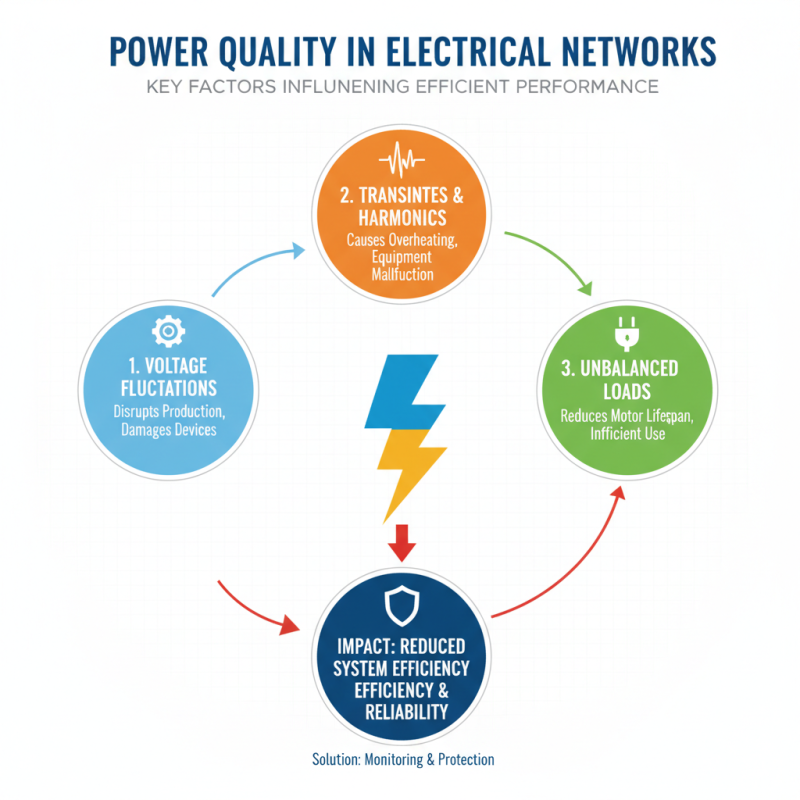
Enhancing power quality involves addressing voltage sags, harmonics, and outages. These elements can lead to costly downtime and equipment damage. In many cases, the importance of power quality is overlooked. Companies might invest heavily in new technology, only to face inefficiencies due to poor power quality. It is essential to explore innovative solutions tailored to enhance this aspect.
Moreover, integrating renewable energy sources further complicates the picture. The variability of these sources can introduce additional challenges. As the transition to greener energy continues, power quality in power systems must remain a focal point. A comprehensive understanding is vital. Improving power quality requires commitment and awareness from all stakeholders involved.

Understanding Power Quality and Its Importance in Power Systems
Power quality is a critical factor in the performance of power systems. It refers to the consistency and reliability of electrical power. High power quality ensures that equipment operates efficiently and safely. Poor power quality can lead to equipment failure, increased downtime, and financial losses. Understanding these concepts is vital for anyone involved in energy management.
One significant issue is voltage sags. These short-term reductions in voltage can disrupt sensitive equipment. Another concern is harmonic distortion, which can overheat transformers and motors. The presence of reactive power is also a critical factor. It affects the efficiency of power delivery. Many systems struggle with these issues, leading to inefficiencies and increased operational costs.
Addressing power quality involves some real challenges. Solutions often require investments in improved infrastructure or technology. Not all companies are willing to take these steps. Mistakes can occur, such as overlooking the need for regular monitoring. Ultimately, understanding power quality is not just about avoiding problems. It’s also about fostering a system that maximizes efficiency and reliability.
2026 How to Improve Power Quality in Power System for Enhanced Efficiency?
| Parameter |
Measurement Unit |
Current Value |
Recommended Value |
Impact on Efficiency |
| Voltage Distortion |
% |
5 |
3 |
High distortion may lead to equipment failure and increased losses. |
| Harmonic Distortion |
THD% |
8 |
5 |
Excessive harmonics can trip protective devices and reduce system reliability. |
| Power Factor |
Cos φ |
0.85 |
0.95 |
Lower power factor can result in higher demand charges and reduced efficiency. |
| Flicker Severity |
Pst |
1.2 |
0.5 |
High flicker can cause discomfort and affect operational efficiency. |
| Voltage Imbalance |
% |
3 |
1 |
Imbalance can lead to overheating and increased maintenance costs. |
Techniques for Monitoring and Measuring Power Quality
Monitoring and measuring power quality is crucial for enhancing efficiency in power systems. Power quality issues can lead to significant operational costs and equipment failures. For example, a report by the Electric Power Research Institute states that poor power quality costs U.S. businesses over $150 billion annually. This figure emphasizes the need for effective monitoring techniques.
One common method for measuring power quality is the use of power quality analyzers. These devices can detect voltage sags, flickers, and harmonics. In industrial settings, even slight fluctuations can cause equipment malfunctions. More than 80% of manufacturing facilities report disruptions due to power quality problems. The use of real-time monitoring systems can provide immediate insights. However, data overload is a risk. Operators might struggle to interpret the vast amounts of data.
Another technique involves implementing smart grid technology. Smart meters can track power usage patterns and identify anomalies quickly. This technology shows promise in improving power quality management. Yet, many organizations face challenges in integrating these systems with existing infrastructure. With such complexities, ongoing training for staff becomes essential. Maintaining high standards in power quality requires continuous evaluation and adaptation. The journey is ongoing and demands attention.
Power Quality Metrics for Enhanced Efficiency
Strategies for Improving Power Quality in Power Systems
Improving power quality in power systems is crucial for enhanced efficiency. Power quality issues can lead to equipment damage, increased costs, and operational downtime. The following strategies can help address these challenges.
One way to enhance power quality is to implement regular monitoring. Keeping an eye on voltage levels, frequency, and harmonics can reveal potential problems. Using advanced sensors can provide real-time data. This helps identify disturbances early.
Tip: Install power quality analyzers to gain clear insights into electrical systems. They can detect anomalies that may go unnoticed.
Another effective strategy is to use power factor correction devices. Poor power factor can cause inefficiencies. Capacitors and synchronous condensers can improve this. However, improper use may lead to overcorrection.
Tip: Regularly review power factor levels. This can prevent costly mistakes and enhance system stability.
Reducing harmonics is also essential. Harmonics can distort voltage and current. Solutions include installing filters or employing phase shifting transformers. Yet, it’s important to ensure these solutions do not complicate the system further.
Tip: Test harmonic distortion regularly. This helps maintain a healthy power quality environment.
The Role of Technology and Innovations in Enhancing Power Quality
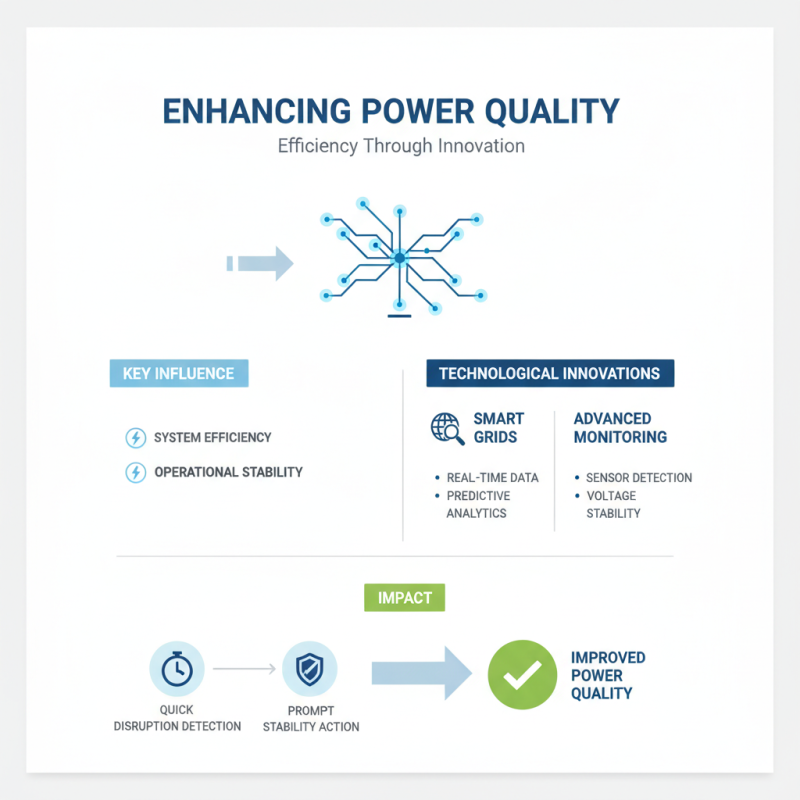
The quality of power in electrical systems greatly influences efficiency. Technological innovations play a vital role in enhancing this quality. Solutions like smart grids and advanced monitoring tools allow for real-time data analysis. These innovations help detect disruptions quickly. For instance, sensors can identify voltage fluctuations, enabling prompt action to maintain stability.
However, the adoption of new technologies poses challenges. Integrating them with existing infrastructure can be complex. Some systems may become more vulnerable during the transition. Additionally, training personnel to use advanced tools effectively is crucial. Many organizations struggle with this, impacting overall efficiency.
Another important aspect is the role of renewable energy. As more renewable sources are integrated, maintaining power quality becomes increasingly difficult. Variability in energy production requires sophisticated management solutions. Despite the hurdles, ongoing research and development aim to address these issues. Embracing new technologies is essential for improving power quality and maximizing efficiency in the future.
 Employee Login
  Contractors Induction