How to Improve Power Quality in Power Systems for Better Efficiency?
In today's energy landscape, ensuring power quality in power systems is crucial. Fluctuations and interruptions can lead to significant losses in efficiency. Industries rely heavily on stable power to operate effectively. Poor power quality affects machinery, resulting in higher operational costs.
Boosting power quality in power systems requires attention to various factors. Voltage sags, harmonics, and transients disrupt normal operations. Identifying these issues is essential for improvement. Many power systems still face challenges in maintaining optimal quality. These challenges often lead to unsatisfactory results for businesses.
Reflecting on these power quality issues is vital. Strategies for enhancement must be practical and sustainable. Regular monitoring of power systems can reveal underlying problems. Investing in advanced technologies could also mitigate risks. Ultimately, prioritizing power quality leads to better efficiency and productivity.
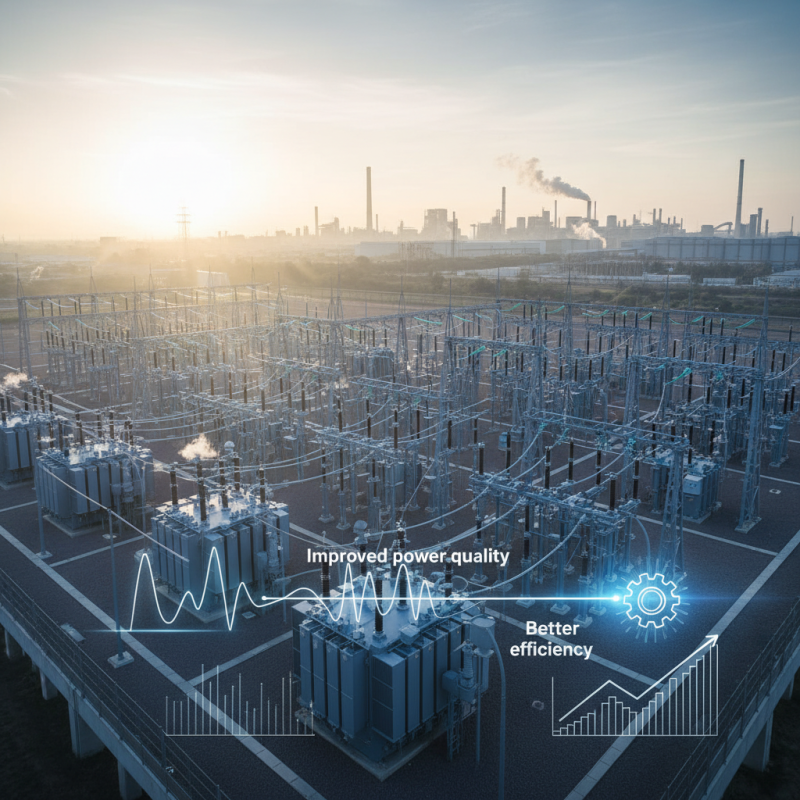
Understanding Power Quality and Its Importance in Power Systems
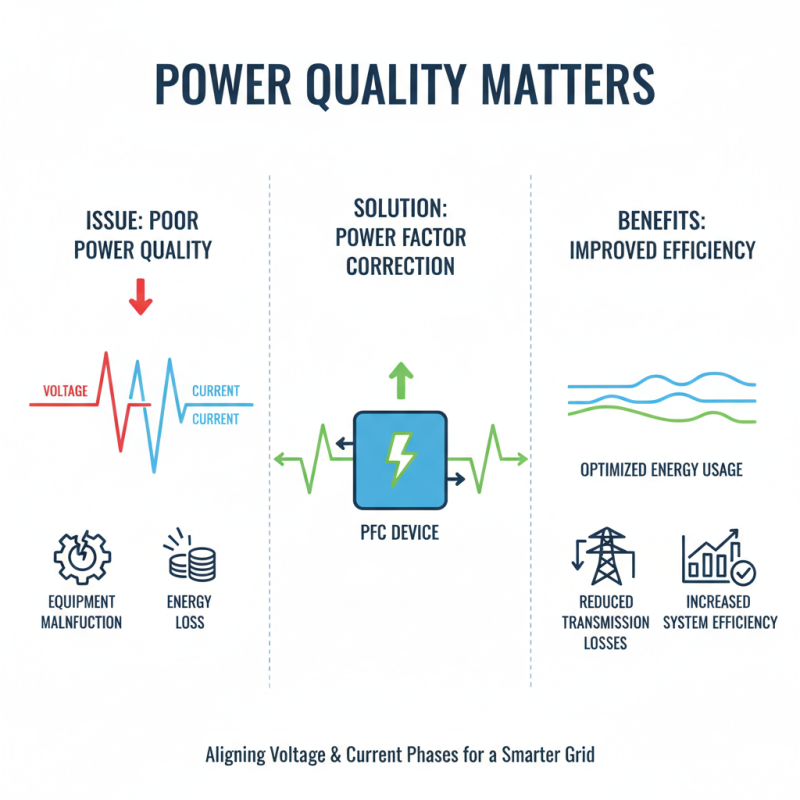
Power quality refers to the characteristics of electrical power that affect the performance of devices. Poor power quality can lead to equipment failure and energy losses. It includes factors like voltage sags, spikes, and harmonics. Understanding these elements is crucial for anyone in the power sector.
Many power systems struggle with maintaining high power quality. This can result from inadequate infrastructure or aging equipment. In some cases, power surges can cause significant damage to sensitive electronics. Addressing these issues requires monitoring and continuous assessment. Using power quality analyzers helps in identifying problems.
Improving power quality involves both technology and practices. Techniques like voltage regulation and harmonic filtering can enhance performance. However, not all strategies fit every system. A tailored approach is necessary for optimal results. Regular training for staff on these topics is often overlooked but essential for success.
How to Improve Power Quality in Power Systems for Better Efficiency?
| Aspect |
Description |
Impact on Efficiency |
| Voltage Variations |
Fluctuations in voltage levels that can lead to equipment damage. |
Reduces operational stability and can lead to unscheduled downtimes. |
| Harmonics |
Distortion of voltage or current waveforms caused by non-linear loads. |
Increases losses and overheating in electrical components. |
| Frequency Variations |
Deviations from the nominal frequency can affect system performance. |
Can lead to operational inefficiencies and reduced lifespan of equipment. |
| Power Factor |
Ratio of real power flowing to the load to apparent power in the circuit. |
Improved power factor leads to reduced electricity bills and enhanced capacity. |
| Transients |
Sudden spikes in voltage that can result from switching operations. |
Can damage sensitive equipment and increase maintenance costs. |
Common Power Quality Issues Affecting Efficiency
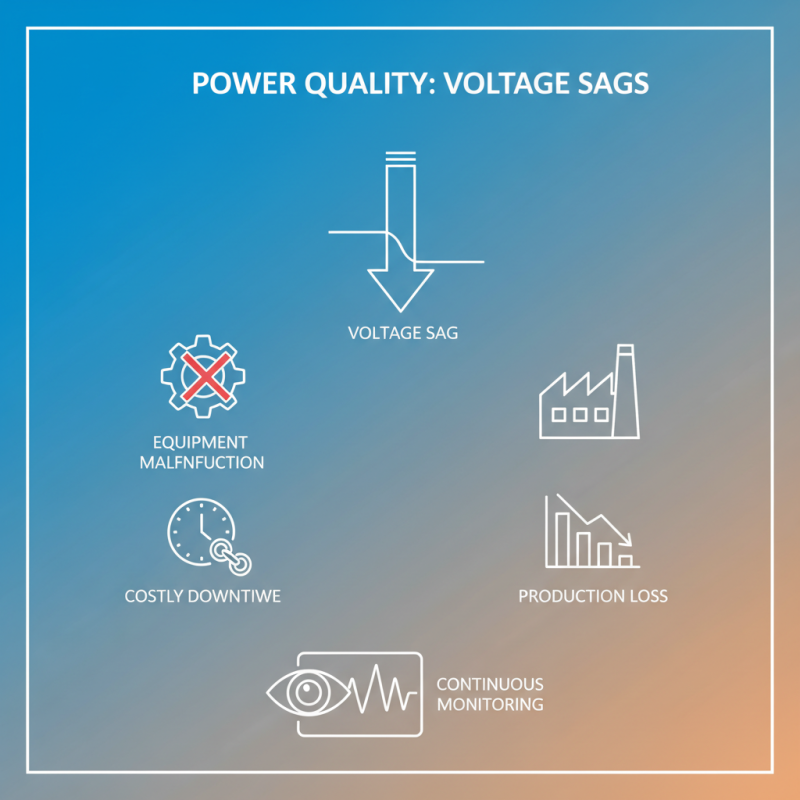
Power quality issues can significantly hinder the efficiency of power systems. One common problem is voltage sags, which occur when there is a temporary drop in voltage. These disruptions can cause sensitive equipment to malfunction, leading to costly downtime. For example, a factory experiencing repeated voltage sags might see a drop in production output. It's crucial to monitor voltage levels continually.
Harmonics are another issue that affects efficiency. They are unwanted frequencies superimposed on the power supply. This distortion can lead to increased heat in electrical components. Over time, this can shorten the life of equipment. Power factor problems are also noteworthy. When the power factor is low, it indicates that not all the electricity is being used effectively. This inefficiency can lead to higher energy costs for businesses.
Addressing these issues is not always straightforward. Implementing solutions requires careful analysis and investment. Sometimes, businesses overlook minor power quality problems, only to face bigger issues later. Regular maintenance and upgrades are essential but often neglected. Organizations must prioritize power quality to enhance their operational efficiency. A proactive approach can save money in the long run.
Methods for Analyzing Power Quality in Electrical Systems
Power quality analysis is essential for efficient electrical systems. Distorted voltage and current waveforms can lead to malfunctions. According to the Institute of Electrical and Electronics Engineers (IEEE), poor power quality can cause equipment failures, costing industries billions annually. The need for precise monitoring is evident.
Various methods exist to analyze power quality. Real-time monitoring systems provide immediate feedback. Power analyzers capture voltage sags, swells, and harmonic distortions. These tools generate detailed reports, making it easier to identify issues. A study by the Electric Power Research Institute (EPRI) found that regular audits improve system reliability by 30%. Yet, many organizations overlook this vital analysis.
Data loggers can also play a crucial role. They record power quality parameters over time, revealing patterns. However, interpreting this data can be complex. Many utilities can struggle to implement effective solutions. Furthermore, integrating new technologies into legacy systems presents challenges. Continuous improvement is necessary to keep up with evolving standards. Adopting a proactive stance can lead to significant benefits.
The Role of Technology in Enhancing Power Quality Maintenance
Power quality maintenance plays a crucial role in enhancing the efficiency of power systems. Modern technology offers various innovative solutions to improve power quality. For instance, smart grid technology allows real-time monitoring of electrical systems. It identifies disturbances quickly and minimizes downtime. This responsiveness is vital for businesses that depend on uninterrupted power supply.
Additionally, advanced sensors and data analytics can detect fluctuations in voltage and frequency. These tools provide valuable insights into potential issues before they escalate. Maintenance teams can address problems proactively, avoiding costly outages. However, reliance on technology also poses risks. Cybersecurity threats are a growing concern. Ensuring data integrity should be a priority.
Energy storage systems are another technological advancement that supports power quality. They balance supply and demand, enhancing stability. Yet, implementing these systems comes with challenges. The initial investment can be substantial, and not all systems are compatible. As we embrace these technologies, it is essential to remain vigilant. Continuous evaluation and adaptation are key to truly improving power quality.
 Employee Login
  Contractors Induction