What is an Industrial Power Distribution System?
An industrial power distribution system is essential to modern manufacturing and industrial operations. According to a report by MarketsandMarkets, the global industrial power distribution market is expected to reach $160 billion by 2026. This growth highlights the increasing importance of reliable power distribution in industries. Efficient power distribution ensures operational continuity and minimizes downtime.
However, as industries evolve, many face challenges in their distribution systems. Aging infrastructure and unforeseen demand fluctuations can lead to inefficiencies. A recent study indicated that about 30% of industrial facilities struggle with power quality issues, impacting productivity. Striking a balance between efficiency and reliability in an industrial power distribution system requires continuous evaluation and innovation.
Moreover, there is often a lack of awareness regarding new technologies. This can result in hesitation to invest in upgrades. Investing in smart grid technology and real-time monitoring can significantly enhance system performance. Yet, many remain reluctant to adapt, risking outdated practices. The future of industrial power distribution hinges on addressing these gaps and harnessing emerging technologies.
Definition of Industrial Power Distribution Systems
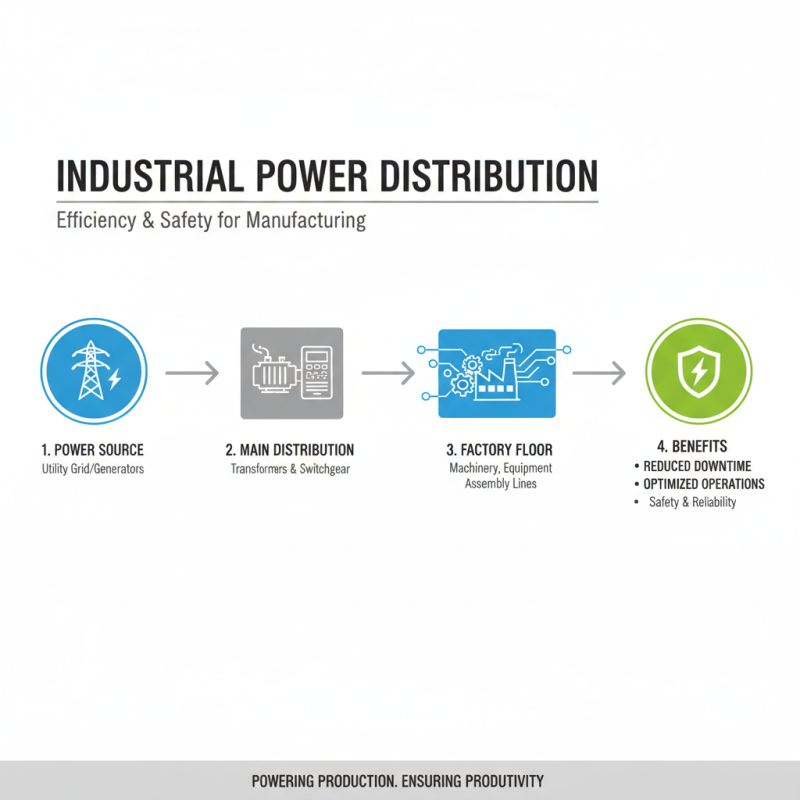
Industrial power distribution systems play a crucial role in manufacturing and production facilities. These systems are designed to deliver electrical power efficiently and safely. They manage the supply of electricity from the source to various equipment and machinery. Proper distribution ensures that all operations run smoothly, preventing costly downtime.
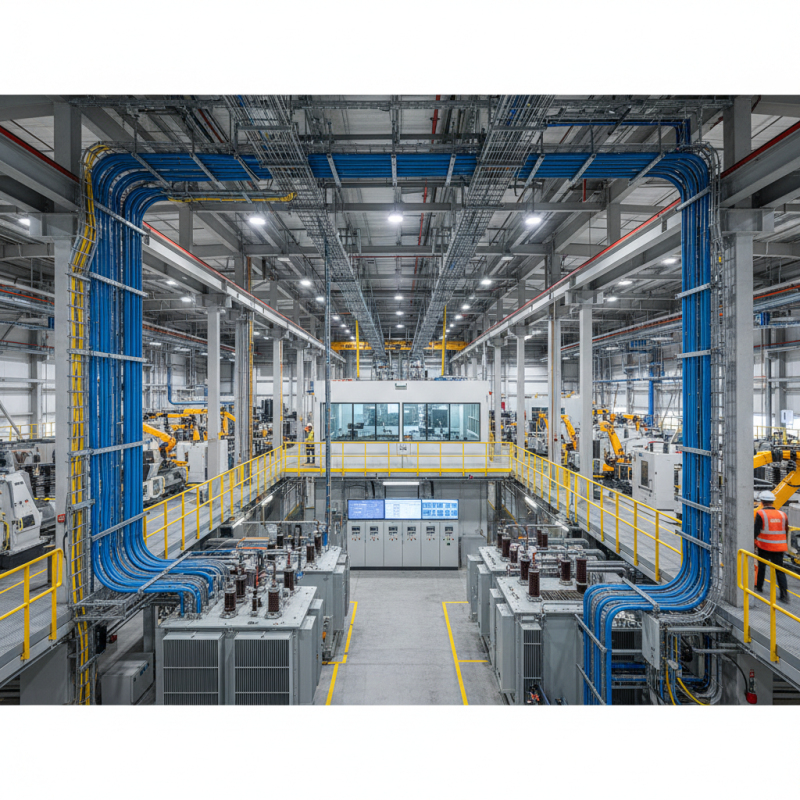
At its core, an industrial power distribution system includes transformers, switchgear, and protective devices. Transformers convert high-voltage electricity to usable levels. Switchgear controls and protects electrical equipment. Protective devices, such as fuses, safeguard against overloads. Each component works together, yet small mistakes can lead to significant issues.
Understanding these systems can be complex. Different industries may have varying requirements. What works for one may not suit another. It's important to continuously assess the effectiveness of the system. Regular maintenance is essential. Adapting to technological advancements can enhance performance. However, there are challenges in keeping everything up to date. Balancing cost and efficiency is often a struggle.
Key Components of Power Distribution Systems
Industrial power distribution systems are crucial for efficient energy management. They comprise several key components that work together to ensure reliable power delivery. These include transformers, circuit breakers, switchgear, and distribution panels. According to recent industry studies, around 70% of electricity losses in industrial settings occur within the distribution system. This highlights the need for efficient components to minimize waste.
Transformers are vital for voltage regulation. They adjust voltage levels, making electricity safe for use.
Circuit breakers protect systems from overloads. However, many plants still use outdated models, leading to greater risks and inefficiencies. The choice of switchgear also impacts reliability. Modern switchgear offers advanced monitoring features, yet many facilities resist upgrades due to cost.
Maintenance plays a pivotal role in prolonging system life. Effective inspections can reduce failure rates by up to
30%. However, a significant number of operators overlook this aspect. Regular evaluations of distribution components are essential. Neglecting maintenance can result in higher operational costs and increased downtime.
Investing in the right components and practices can lead to improved performance and safety.
Functions and Importance in Industrial Environments
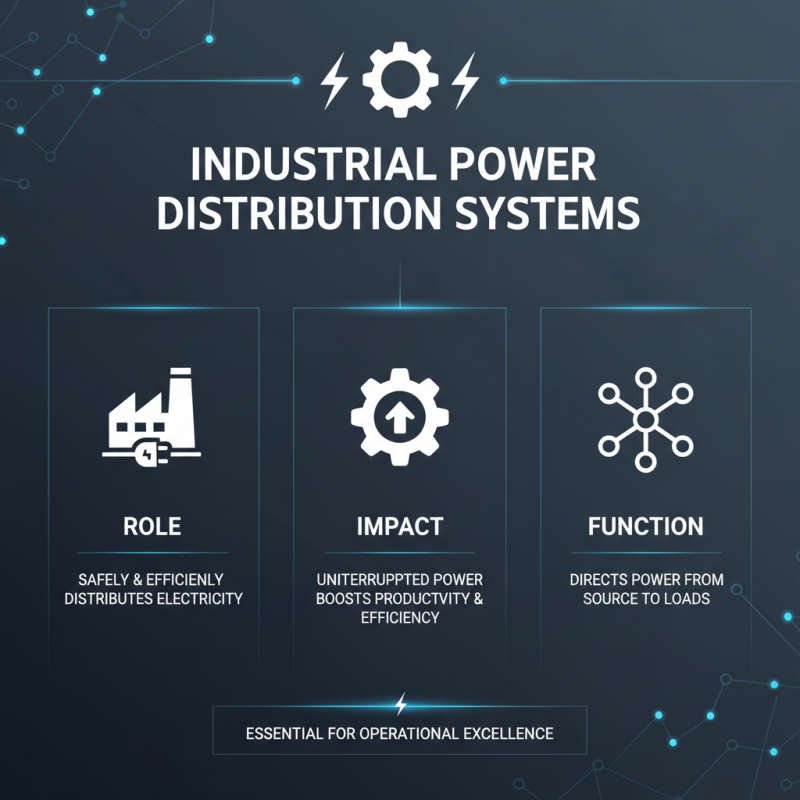
In industrial environments, power distribution systems play a crucial role. They ensure that electricity flows safely and efficiently to machinery, lighting, and equipment. This uninterrupted power is essential for maintaining productivity and operational efficiency. A well-designed system directs power from sources to various load centers effectively.
These systems also prioritize safety. By integrating protective devices, they minimize the risk of overloads and electrical faults. Such measures protect equipment and personnel. However, designing an optimal distribution layout can be challenging. Poor planning may lead to energy losses, imbalances, or even dangerous situations. Regular maintenance is also essential; neglecting it can result in failures that disrupt operations.
Another important function is adaptability. As industries evolve, power needs change. An effective distribution system should be flexible enough to accommodate new technologies or processes. Innovations in energy resources and consumption can push existing systems to their limits. Reflection on current practices is necessary for improvement. Balancing efficiency with safety and adaptability must be a continuous effort.
Types of Power Distribution Networks
An industrial power distribution system is crucial for maintaining productivity in various sectors. Understanding the types of power distribution networks can greatly enhance efficiency.
There are two main types: radial and loop systems. Radial systems distribute power from a single source. This design is straightforward but can lead to outages if a fault occurs. For instance, if a line breaks, the entire section loses power. On the other hand, loop systems provide a more resilient solution. They connect multiple sources, allowing power to flow from different directions. This can reduce downtime and increase reliability for critical operations.
Additionally, hybrid systems combine elements of both designs. They offer flexibility but may require more complex management. Despite their advantages, these systems can complicate maintenance procedures. Companies must invest time and resources to ensure their reliability. Regular inspections and upgrades are essential, but often overlooked. This can lead to unexpected failures and increased costs. A proactive approach is necessary to fully realize the potential of these distribution networks.
Power Distribution System Types
Safety and Maintenance Considerations in Distribution Systems
Safety in industrial power distribution systems is paramount. Electrical hazards can cause severe injuries or even fatalities. Regular inspections help identify potential risks. Workers must be trained to recognize dangerous conditions. Proper grounding, and shielding of cables reduces risks of electric shock. Still, inadequate maintenance often leaves systems vulnerable.
Maintenance routines should include testing protective devices. Circuit breakers and fuses need regular checks to ensure reliability. It’s easy to overlook these tasks during busy schedules. Safety precautions should never be an afterthought. Workers may assume the system is always safe. This mindset can lead to complacency. Unexpected failures can result from ignored signals.
Keeping a detailed maintenance log aids compliance. Yet, some facilities neglect this practice. Regular audits can reveal gaps in safety protocols. Employee feedback should be encouraged. Open communication fosters a culture of safety. Ultimately, ongoing attention is needed to enhance safety and reliability.
What is an Industrial Power Distribution System? - Safety and Maintenance Considerations in Distribution Systems
| Aspect |
Description |
Importance |
Maintenance Tips |
| Power Distribution |
Distribution of electric power from a substation to various loads in industrial settings. |
Ensures reliable power supply for operations. |
Regularly inspect and test circuit breakers and transformers. |
| Safety Protocols |
Standards and procedures to prevent accidents related to power distribution. |
Minimizes risk of electrical hazards. |
Conduct safety training and enforce lockout/tagout procedures. |
| Monitoring Systems |
Tools used to oversee electrical loads and performance of equipment. |
Helps in early detection of failures or inefficiencies. |
Implement real-time monitoring solutions and analytics. |
| Grounding Systems |
Systems to protect personnel by reducing the risk of electrical shock. |
Critical for electrical safety. |
Inspect grounding connections regularly for integrity. |
| Load Management |
Strategies to optimize the distribution of electrical power among various loads. |
Enhances energy efficiency and reduces costs. |
Evaluate load distribution regularly and adjust as needed. |
 Employee Login
  Contractors Induction