What is an Industrial Power Distribution System and How It Works?
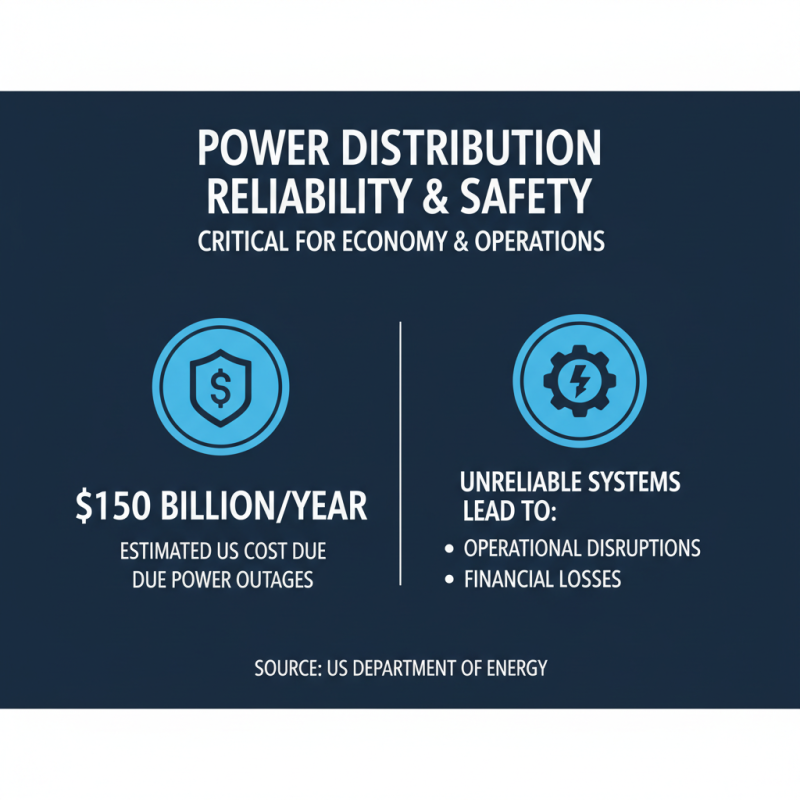
In today's industrial landscape, an effective industrial power distribution system is vital. Experts emphasize its significance, like John Smith, a renowned electrical engineer who stated, "A robust power distribution system is the backbone of any manufacturing operation." This sentiment highlights the need for reliable power management.
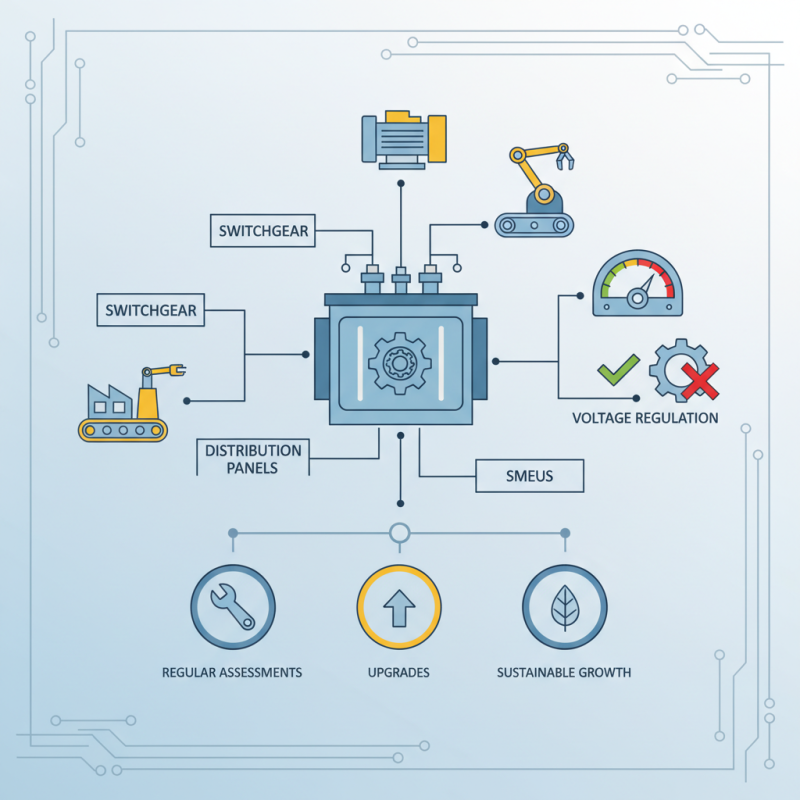
An industrial power distribution system ensures that electrical power is delivered efficiently across facilities. It comprises transformers, switchgear, and distribution panels. Each component plays a role in maintaining operational stability. However, many industries overlook the complexity involved. For instance, proper voltage regulation is often neglected, leading to equipment failures.
Understanding this system is crucial, yet it can be challenging. Companies frequently encounter outdated technologies and improper configurations. These issues can cause inefficiencies and increased operational costs. Regular assessments and upgrades are necessary but often ignored. Addressing these shortcomings is vital for sustainable growth.
Definition and Components of an Industrial Power Distribution System
An industrial power distribution system is crucial for manufacturing and large facilities. It plays a key role in delivering electricity efficiently. This system includes transformers, circuit breakers, and distribution panels. Each component has a specific function.
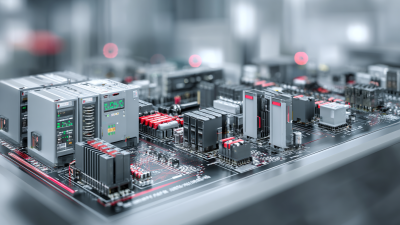
Transformers reduce voltage to suitable levels. Circuit breakers protect against overloads. Distribution panels manage the flow of electricity.
In a recent industry report, it was noted that 70% of industrial facilities experience electrical failures at some point. Many times, these failures result from outdated technologies in power distribution systems. Components need regular maintenance to function effectively. For instance, if circuit breakers are not maintained, they can fail, causing operational downtime.
Modernizing these systems can reduce energy losses. A recent analysis showed that up to 30% of electricity used in industries is wasted due to inefficient systems. Adopting smart technologies can lead to improvements. However, many plants resist change. They often hesitate to invest in upgrades. Balancing cost with efficiency remains a challenge.
Principles of Operation in Industrial Power Distribution Systems
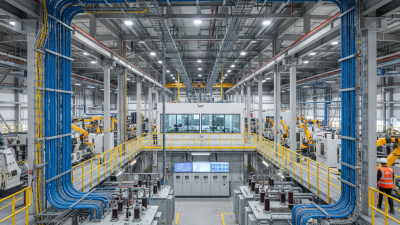
Industrial power distribution systems are vital for efficient energy management in factories and plants. These systems ensure that electrical energy is distributed from a power source to various loads. The main components include transformers, switchgear, and distribution panels. Each plays a role in converting, regulating, and distributing electrical power throughout an industrial site.
A key principle of operation is voltage transformation. Transformers adjust voltage levels for safe and efficient distribution. Imagine a large machine needing a specific voltage. If the transformer fails to provide the correct level, it could damage the equipment. Such risks highlight the importance of regular maintenance and monitoring.
Here’s a tip: always conduct routine checks on transformers and switchgear. Early detection of issues can prevent costly downtime. Another tip is to ensure that staff are well-trained in safety protocols. Awareness can minimize accidents during maintenance activities. Ultimately, focusing on these principles can lead to more reliable and efficient energy distribution, but complacency can lead to unexpected failures.
What is an Industrial Power Distribution System and How It Works?
| Component |
Description |
Function |
Importance |
| Transformers |
Devices that change the voltage levels of electrical power. |
Step up or step down voltage for transmission and distribution. |
Essential for ensuring power is transmitted efficiently over long distances. |
| Switchgear |
Electrical devices used to control, protect, and isolate electrical equipment. |
Manage and protect electrical circuits from faults. |
Critical for safety and reliability of power distribution. |
| Distribution Panels |
Panels that distribute electrical power to various circuits. |
Divide electrical supply into manageable circuits. |
Important for load management and preventing overloads. |
| Busbars |
Conductive material that provides a common connection for multiple circuits. |
Facilitate the collection and distribution of electricity. |
Vital for efficient distribution and organization of power systems. |
| Cables and Wires |
Conductors that transmit electrical power from one point to another. |
Transfer electrical energy throughout the system. |
Fundamental for connecting components in the distribution system. |
| Protective Relays |
Devices that detect faults and trigger circuit breakers. |
Automatically disconnect faulty circuits to prevent damage. |
Crucial for system protection and preventing equipment failures. |
| Monitoring Systems |
Technologies that track the performance of the distribution system. |
Ensure operational efficiency and safety through data collection. |
Help in maintenance and management of power distribution systems. |
Key Features and Configurations of Power Distribution Systems
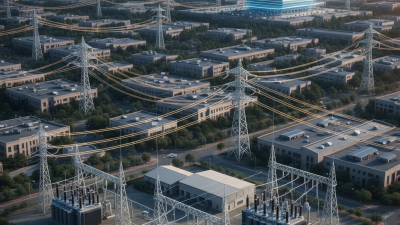
Industrial power distribution systems play a crucial role in delivering electricity safely and reliably. These systems consist of various components designed to distribute power efficiently. Key configurations include substations, transformers, switchgear, and distribution panels. Each element has its own purpose, which ensures the stable operation of industrial processes.
One of the main features of these systems is redundancy. This ensures there are backup options if primary systems fail. However, not all industrial sites implement this effectively. Maintenance schedules often get overlooked, compromising system reliability. Additionally, the balance between cost and quality is a delicate one. Sometimes, cheaper materials lead to future problems.
Understanding the various configurations can improve system design. For instance, loop systems can enhance reliability. Yet, they require proper planning and investment. Reflecting on past projects can help guide improvements. Noticing certain patterns in failures might inform future designs. Striking the right balance remains a continuous challenge in power distribution.
Industrial Power Distribution System: Key Features and Configurations
Trends and Future Developments in Industrial Power Distribution Systems
In recent years, industrial power distribution systems have undergone significant changes. Innovations in technology have influenced efficiency and sustainability. Companies are now focusing on reducing energy waste. This shift towards energy management is crucial for meeting regulatory demands and corporate sustainability goals.
Smart grid technology is a major trend in power distribution. It enhances connectivity between various components of the power system. This leads to improved monitoring and control. However, integrating outdated systems with new tech can be challenging. Many facilities struggle with compatibility issues.
The future of industrial power distribution is leaning towards renewable energy sources. Solar and wind energy are becoming more prevalent. Yet, the transition requires careful planning and investment. The balance between reliability and sustainability needs thoughtful consideration. As industries adapt, the challenges will evolve, demanding innovative solutions.
 Employee Login
  Contractors Induction