What is a Lithium Battery Car and How Does It Work?
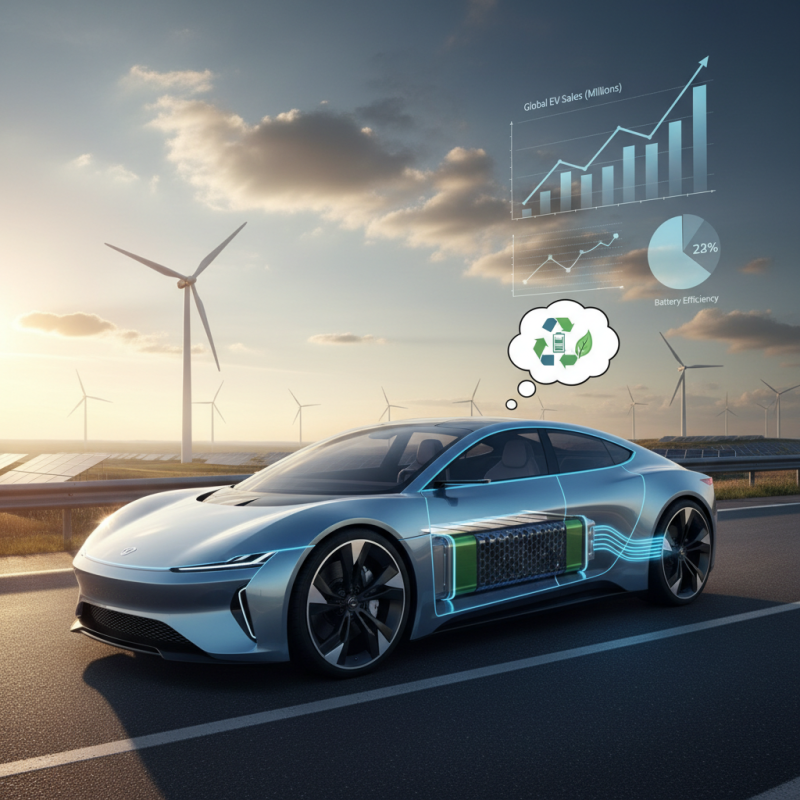
The rise of the Lithium Battery Car marks a significant shift in the automotive industry. According to a report by the International Energy Agency, electric vehicle sales reached 10 million globally in 2022, largely driven by the demand for lithium battery technology. These vehicles utilize lithium-ion batteries, which are lighter and more efficient than traditional batteries.
Dr. Emily Carter, a well-respected expert in battery technology, states, "Lithium Battery Cars are not just a trend; they are the future of sustainable transportation." This highlights the urgency of transitioning to cleaner energy solutions. However, challenges remain. The mining of lithium can have environmental impacts, and recycling lithium batteries is still in its early stages.
Despite these concerns, advancements in technology continue to improve battery efficiency and lifespan. The potential for renewable energy integration alongside these vehicles is promising. The transition to a Lithium Battery Car ecosystem is necessary, but it requires reflection on sustainability practices. The future of transportation is electric, yet we must address the complexities involved in this shift.
Definition of a Lithium Battery Car and Its Components
A lithium battery car, at its core, utilizes lithium-ion batteries to power an electric motor. These batteries consist of multiple components, including an anode, cathode, and electrolyte. The anode is typically made from graphite. The cathode often consists of lithium metal oxides. Between these components, the electrolyte facilitates the movement of lithium ions, crucial for energy flow.
The design of lithium battery systems can be complex. A battery management system, or BMS, monitors the state of the battery cells. It also ensures safety, preventing overcharging or overheating. Many lithium battery cars include regenerative braking systems that convert kinetic energy back into stored energy. However, this technology faces challenges, such as efficiency losses and wear on mechanical components over time.
Charging infrastructure is another important aspect. Though charging stations are growing in number, coverage is still inconsistent in some areas. Many users express frustration about range anxiety. The time it takes to charge a battery also raises concerns. Charging times remain longer than refueling a conventional car. These issues highlight the ongoing need for advancements in battery technology and infrastructure improvements.
How Lithium-Ion Batteries Store and Release Energy
Lithium-ion batteries play a crucial role in powering electric vehicles. These batteries store energy through a process called intercalation. When the battery charges, lithium ions move from the cathode to the anode. This simple mechanism is behind their widespread adoption.
When driving, energy release occurs as ions move back to the cathode. The entire cycle is efficient, with energy density reaching around 250 Wh/kg. Industry reports show that lithium-ion batteries represent approximately 70% of the global market for electric vehicle batteries. However, this reliance on lithium poses challenges. The extraction process can harm the environment, and ethical concerns surround supply chain practices.
Additionally, lithium-ion batteries have limitations. They degrade over time, affecting vehicle performance. After a few hundred cycles, their capacity can drop significantly. This leads to shorter driving ranges, causing apprehension among potential buyers. The industry must address these issues to ensure sustainable growth and consumer confidence.
The Role of Electric Motors in Lithium Battery Cars
Electric motors are essential in lithium battery cars. They convert electrical energy from the battery into mechanical energy. This process drives the wheels, providing power and acceleration. Unlike traditional engines, electric motors are efficient and silent. They generate torque instantly, enabling quick start-ups and smooth acceleration.
The design of electric motors varies. Some use permanent magnets, while others rely on electromagnetic coils. Each type has its advantages and challenges. For instance, permanent magnets offer better performance but can increase costs. On the other hand, coil-based motors may be less expensive but can be bulkier.
Incorporating regenerative braking is another key feature. It allows the motor to function as a generator during braking. This process recaptures energy, recharging the battery and extending driving range. However, the efficiency of this system can vary. Some drivers may not fully utilize regenerative braking, leading to wasted energy. Continuous refinement is needed to enhance motor design and performance.
Charging Mechanisms for Lithium Battery Electric Vehicles
Charging mechanisms for lithium battery electric vehicles play a crucial role in their operation. These vehicles utilize lithium-ion batteries, which require effective charging strategies. The most common method is a standard AC charging system. This allows drivers to plug in their vehicles at home. It is convenient, but charging can be slow. Overnight charging is typical, yet it may not be sufficient for heavy users.
Fast charging stations offer another option. These stations can charge a lithium battery in under an hour. However, the process generates heat, which can affect battery life. Some drivers worry about the long-term impacts of frequent fast charging. Battery management systems help monitor charge levels and temperatures. Yet, the effectiveness of these systems can vary.
Beyond these methods, wireless charging technology is emerging. This system allows vehicles to charge without plugging in. While it sounds promising, it is still in development. Many challenges remain, such as efficiency and cost. Drivers must weigh the benefits against potential issues. Overall, understanding different charging mechanisms is essential for electric vehicle owners. The right choice can enhance the driving experience, but it’s not always straightforward.
Advantages and Limitations of Using Lithium Battery Technology
Lithium battery technology has transformed the automotive industry. These batteries offer impressive energy density, providing longer ranges for electric vehicles. They are lighter than traditional batteries, which enhances vehicle efficiency. Quick charging times also make them appealing to consumers. However, there are challenges. Lithium is sourced from specific regions, which raises concerns about sustainability.
Another limitation is the battery life. Over time, the capacity of lithium batteries can diminish. This leads to reduced performance and the need for replacements. Furthermore, recycling lithium batteries poses environmental issues. Many facilities for recycling are not widely available. The production process can also be resource-intensive, creating a mixed environmental impact.
Despite these drawbacks, the advantages of lithium batteries are substantial. They enable a shift towards sustainable transportation. Yet, people must consider the long-term effects of lithium extraction and disposal. Striking a balance between innovation and sustainability is crucial for the future of electric vehicles.
 Employee Login
  Contractors Induction