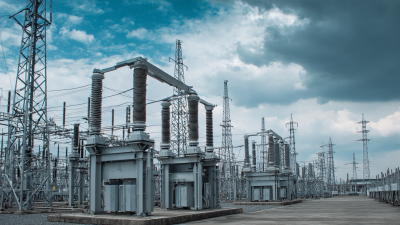
Top 10 Low Voltage Power Distribution Systems: Optimize Energy Efficiency and Safety
In today's rapidly evolving energy landscape, optimizing energy efficiency and ensuring safety are paramount for any electrical infrastructure. One crucial component to achieving these goals is the implementation of a low voltage power distribution system. This system plays a vital role in managing electrical power distribution in commercial, industrial, and residential sectors, making it essential for organizations to understand and adopt effective strategies for its utilization.
This article delves into the intricacies of low voltage power distribution systems, unveiling the top 10 approaches that not only enhance energy efficiency but also prioritize safety. By exploring these innovative solutions, businesses and homeowners alike can mitigate risks associated with electrical distribution while maximizing performance and reliability. As we navigate through the best practices and technologies available, it becomes clear that the adoption of an optimized low voltage power distribution system is a critical step towards achieving sustainable energy use in a modern context.
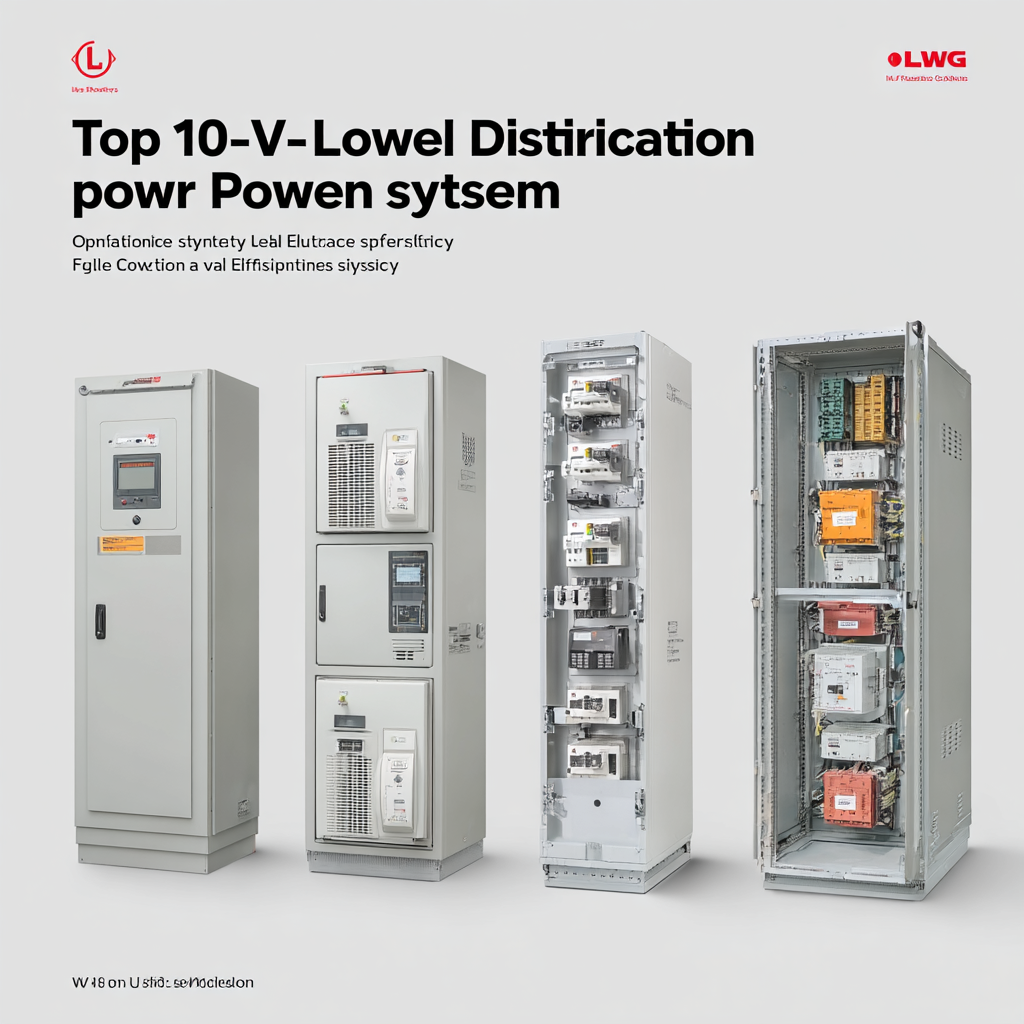
Innovative Approaches to Low Voltage Power Distribution for Enhanced Energy Savings
Innovative approaches to low voltage power distribution are emerging as critical strategies for enhancing energy savings across various industries. With the increasing demand for electricity and the pressing need to reduce carbon footprints, companies are exploring advanced technologies that optimize power distribution systems.
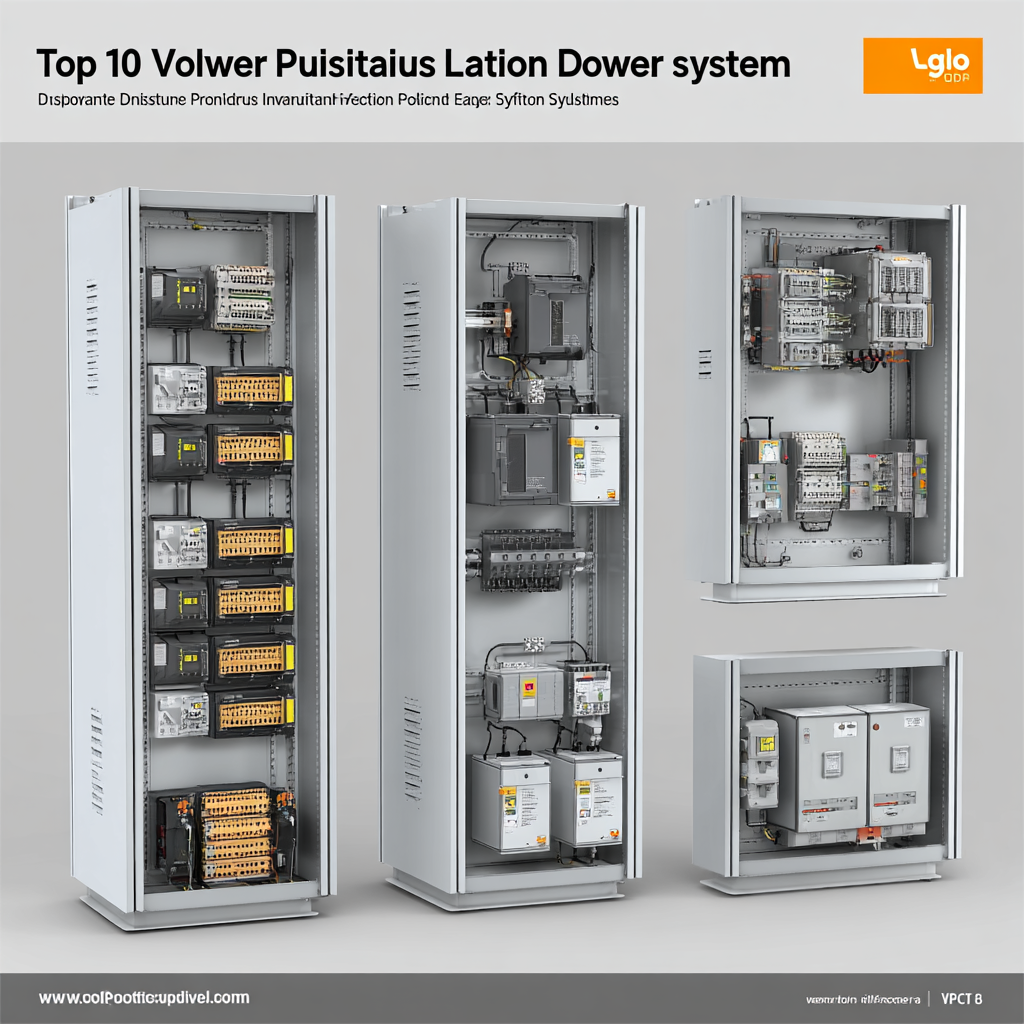 One such innovation involves the integration of smart grid technology, which allows for real-time monitoring and management of energy usage. By employing sensors and automated controls, organizations can significantly reduce energy wastage and improve efficiency in their power distribution networks.
Additionally, the implementation of energy-efficient components, such as LED lighting and variable frequency drives, is transforming traditional power distribution systems. These elements not only lower energy consumption but also enhance the overall safety of electrical installations. With improved designs, such as modular distribution units, companies can customize their setups for better load management and reliability. As these innovative solutions continue to gain traction, organizations are not only achieving significant cost savings but also contributing to a more sustainable energy future.
Key Technologies Driving Efficiency in Low Voltage Power Distribution Systems
The rising demand for Electric Vehicles (EVs) is significantly boosting the growth of low voltage power distribution systems. As EV adoption accelerates, the need for efficient and reliable power distribution becomes increasingly critical. This trend is projected to enhance market dynamics, as stakeholders seek solutions that optimize energy consumption and ensure safety. The global power distribution twisted cables market is estimated to grow from USD 11.64 billion in 2024, with a projected CAGR of 5.2% from 2025 onward, reflecting the industry's response to the increasing power demands associated with electric mobility.
Technological advancements play a vital role in refining low voltage power distribution infrastructure. Real-time update algorithms for digital twin models of distribution network equipment, leveraging IoT and optical imaging technology, offer enhanced accuracy and performance. These innovations provide plant and building operators with powerful tools to monitor and optimize their systems. As these technologies become commonplace, the focus on smart, compact, and reliable low-voltage equipment is expected to reshape the electrical landscape, fostering safer and more energy-efficient operations moving forward.
Top 10 Low Voltage Power Distribution Systems: Energy Efficiency Comparison
This chart illustrates the energy efficiency of various low voltage power distribution systems based on key performance metrics.
Impact of Smart Grids on Low Voltage Power Distribution Efficiency and Safety
The advent of smart grids has revolutionized low voltage power distribution systems, significantly enhancing energy efficiency and safety. By integrating advanced communication technologies, smart grids enable real-time monitoring and management of electrical networks. This capability allows for more precise load balancing and fault detection, reducing the risk of outages and improving overall system reliability. With the implementation of smart metering and automated control, utilities can respond rapidly to demand changes, thus optimizing energy consumption and minimizing waste.
Moreover, smart grids facilitate the integration of renewable energy sources, which is crucial for achieving sustainability goals. By accommodating decentralized energy production, such as solar panels and wind turbines, these systems promote a more resilient energy infrastructure. Enhanced data analytics further contribute to predictive maintenance and informed decision-making, allowing for swift identification and rectification of potential issues. As a result, the combination of technology and renewable integration leads to safer operations and a reduced carbon footprint, ensuring a more efficient and secure low voltage power distribution landscape.
Regulatory Standards and Their Role in Shaping Low Voltage Distribution Systems
Regulatory standards play a pivotal role in shaping low voltage power distribution systems, ensuring that they prioritize both energy efficiency and safety. According to a report by the International Electrotechnical Commission (IEC), adherence to these standards can reduce energy losses in electrical systems by up to 20%. The implementation of regulations such as IEC 60364 and NEC 110 not only enhances operational effectiveness but also protects user safety by mandating regular inspections and maintenance protocols.
Moreover, compliance with these standards facilitates the integration of advanced technologies, such as smart grid solutions. A study from the Institute of Electrical and Electronics Engineers (IEEE) highlights that expanding low voltage distribution networks in line with regulatory frameworks can lead to a 15% increase in efficiency. This is critical in a world where the demand for energy continues to rise. As organizations adopt regulatory-guided practices, they contribute not only to their sustainability goals but also to the overarching objective of safe and reliable power distribution.
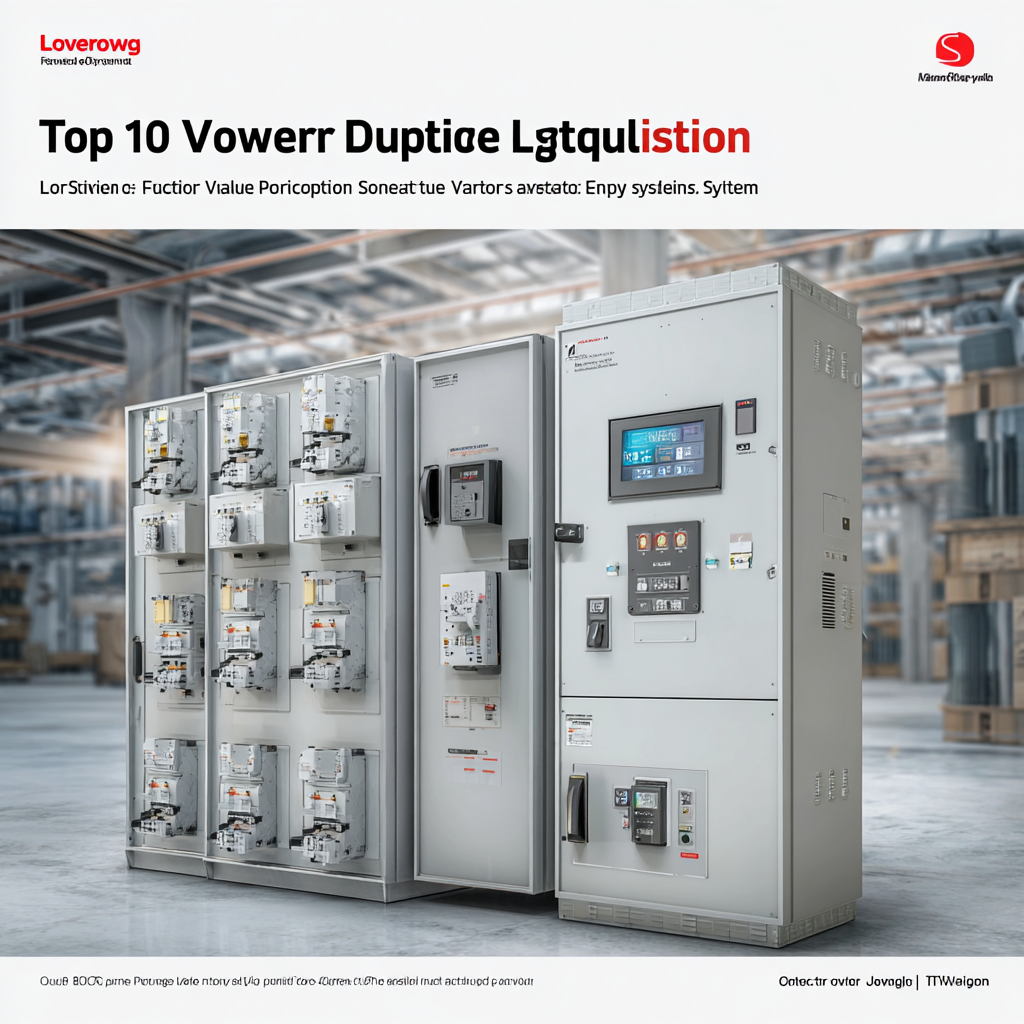
Cost-Benefit Analysis of Upgrading to Advanced Low Voltage Distribution Systems
Upgrading to advanced low voltage (LV) power distribution systems can yield significant
cost savings and improved energy efficiency for businesses. According to a report by the
International Energy Agency (IEA), optimized low voltage systems can result in energy savings of
up to 30%. This not only leads to lower operational costs but also
enhances the reliability of power supply, reducing downtime and maintenance expenses. With the increasing pressure on companies
to improve sustainability, transitioning to these advanced systems can be a strategic move,
aligning with global energy efficiency goals.
The initial investment in advanced LV distribution systems can be daunting, but a
comprehensive cost-benefit analysis demonstrates a favorable return
on investment in the long term. The National Renewable Energy Laboratory (NREL)
estimates that for every dollar invested in energy-efficient technologies, companies can expect an average return of
$2. The reduced energy consumption and increased operational efficiency often lead
to payback periods of just a few years, making the upgrade not only an environmentally responsible choice but a
financially sound one as well. By prioritizing safety and efficiency, organizations can better position themselves
in an increasingly competitive marketplace while contributing to a more sustainable future.
 Employee Login
  Contractors Induction