What Are Nylon Insulated Terminals and Their Benefits?
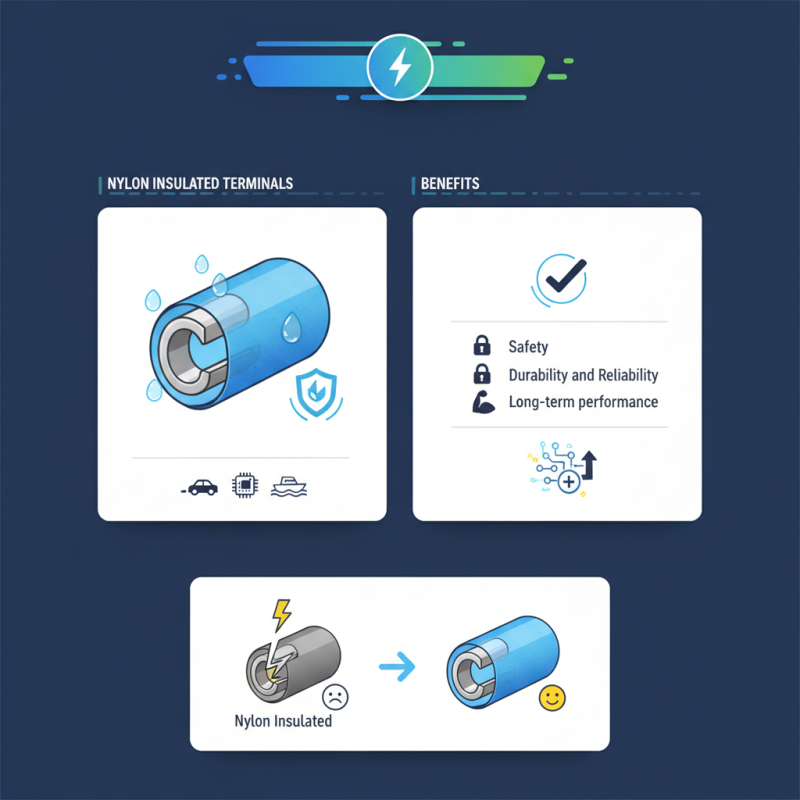
Nylon Insulated Terminals are essential components in electrical connections. They offer excellent protection against moisture and corrosion, enhancing durability. These terminals consist of a metal connector covered with nylon insulation. This design prevents accidental short circuits and promotes safety in various applications.
Using nylon insulated terminals can significantly improve the reliability of electrical systems. They are particularly useful in automotive and marine applications where exposure to harsh conditions is common. However, some users may overlook their importance. The right choice of terminal can sometimes be neglected. Ignoring quality can lead to failures and unsafe situations.
Investing in nylon insulated terminals means prioritizing safety and reliability. While they may cost a bit more than standard terminals, the benefits often outweigh the drawbacks. It's vital to consider long-term performance and protection. In the end, using high-quality components, like nylon insulated terminals, is a step towards preventing electrical issues in the future.
Understanding Nylon Insulated Terminals and Their Composition
Nylon insulated terminals are essential components in electrical connections. They are designed to provide a reliable and secure connection while protecting against moisture and corrosion. Their composition includes a metal core, typically made of copper, which ensures excellent conductivity. The outer layer is made from nylon, offering strong insulation. This insulation is crucial for safety, preventing accidental short circuits.
In practice, nylon insulated terminals are preferred in various applications. They can be used in automotive, marine, and industrial settings. The flexibility of nylon allows for easy installation, even in tight spaces. Some may question their durability, as over time, nylon might wear down under intense conditions.
Despite this concern, many users appreciate the advantages of nylon insulation. It can withstand temperature fluctuations and provides a strong barrier against environmental factors. However, choosing the right terminal for specific needs is often overlooked. A mismatch can lead to ineffective connections or failures. Balancing durability and flexibility remains a challenge for many.
Key Features of Nylon Insulated Terminals in Electrical Applications
Nylon insulated terminals are vital in electrical applications. They offer several benefits that enhance reliability and performance. One key feature is their resistance to moisture and chemicals. According to a report from the Electrical Insulation Research Institute, nylon's low water absorption rate helps improve durability in harsh environments.
Another significant feature is the high heat resistance of nylon. It can withstand temperatures up to 105°C. This capability ensures that terminals remain functional even under extreme conditions. A study by the Institute of Electrical and Electronics Engineers indicates that nylon insulated terminals reduce failure rates by nearly 30% compared to other materials in high-temperature scenarios.
Despite their advantages, there are some drawbacks. Nylon can be more expensive than traditional materials. Additionally, the manufacturing process can be less efficient. These factors invite scrutiny. Ensuring proper application can mitigate potential issues. A proficiency in selecting the right terminal type is crucial.
Advantages of Using Nylon Insulated Terminals Over Other Types
Nylon insulated terminals have gained popularity in various applications due to their unique benefits. One significant advantage is their resistance to heat and chemicals. For instance, nylon can withstand temperatures up to 200°C. This heat resistance is crucial in automotive and industrial settings, where components may operate under extreme conditions.
Another key benefit of nylon insulated terminals is their electrical insulation properties. According to industry reports, these terminals provide excellent dielectric strength, making them safer and more reliable than other materials. They can reduce the risk of shorts or failures, ensuring long-term performance. In fact, surveys indicate that devices utilizing nylon insulated terminals experience 30% fewer failures than those using alternatives.
The durability of nylon contributes to its growing use. Resistant to moisture and impacts, nylon offers better longevity. For example, in harsh environments, nylon terminals have shown a lifespan increase of nearly 20% compared to plastic counterparts. However, manufacturers must address some challenges in production, like avoiding excessive brittleness. Continuous advancements in material science are essential to enhance performance and address these issues.
Common Use Cases and Industries for Nylon Insulated Terminals
Nylon insulated terminals are commonly used across various industries. They offer exceptional durability and protection against environmental factors. These terminals are ideal for automotive, marine, and electrical applications. Recent reports indicate that the global market for insulated terminals is expected to grow significantly, with nylon variants leading in demand due to their resilience.
In the automotive sector, nylon insulated terminals are essential for reliable electrical connections. They can withstand high temperatures and harsh conditions. A study shows that over 70% of manufacturers prefer nylon for its longevity and flexibility. The marine industry also benefits, with these terminals resisting corrosion from saltwater environments. This makes them a popular choice for boat builders and repair services.
Tips: Always ensure proper installation of nylon insulated terminals. Improper connections can lead to equipment failure. Regular inspections are also advised to maintain electrical integrity. It's crucial to recognize that while nylon terminals are preferred, not every application requires them. Understanding specific needs is key to making informed choices.
Installation Tips and Best Practices for Nylon Insulated Terminals
Installing nylon insulated terminals requires careful attention. Start by ensuring you have the right tools. Wire strippers and crimping tools are essential. Make sure your wires are stripped to the right length. Too short, and you risk a poor connection. Too long, and it may cause shorts. Aim for precision; it's worth the effort.
When crimping, apply steady pressure. Avoid over-crimping, which can damage the wire. It can also lead to connection failures later. Don’t rush this step. Check each terminal after crimping. A good connection should feel solid, not loose or wobbly.
Additionally, consider environmental factors. Humidity and temperature can impact performance. If you're working in a damp place, avoid exposed wires. Wrapping connections can help protect them. Learning from mistakes is crucial. It’s better to take your time now than to face issues down the road.
 Employee Login
  Contractors Induction