How to Optimize Distribution System in Power System for Efficiency?
The distribution system in power systems plays a crucial role in ensuring efficient energy delivery. This system connects power generation sources to end-users, making its efficiency vital. An optimized distribution system reduces energy losses, enhances reliability, and provides cost savings.
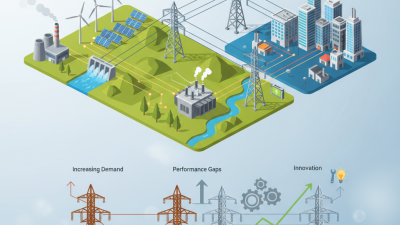
Research shows that many distribution systems operate below their optimal efficiency levels. Aging infrastructure and inadequate maintenance can lead to significant power losses. Moreover, implementing smart grid technologies is essential for modernizing these systems. These advancements can enhance real-time monitoring and decision-making, leading to better resource management.
Addressing these challenges requires a blend of practical experience and expert knowledge. It involves assessing current technologies and practices to identify areas for improvement. Effective optimization strategies must be developed to enhance the distribution system in the power system. The future of energy distribution hinges on our ability to innovate and adapt.
Key Principles of Power Distribution System Optimization Techniques
Optimizing a power distribution system involves several key principles that enhance efficiency. Efficient load management is crucial.
By analyzing consumption patterns, utilities can align their resources better. This reduces waste and lowers costs.
Another vital principle is the integration of smart technologies. These include advanced metering and monitoring systems.
Real-time data enables quicker responses to outages. However, implementation may pose challenges. Infrastructure adaptation and training are necessary to maximize benefits.
Skills gaps in the workforce may lead to inconsistent usage.
Maintenance practices also warrant attention. Regular inspections and upgrades can prevent inefficiencies.
Aging infrastructure can result in energy losses. Finding the balance between cost and reliability remains difficult.
Adopting preventive maintenance is often not prioritized. This oversight can lead to bigger issues down the line, disrupting service and draining resources.
Analyzing Load Flow and Demand Patterns for Improved Efficiency
In power systems, analyzing load flow and demand patterns is crucial for optimizing distribution efficiency. Recent studies show that accurate load forecasting can improve system performance by up to 30%. Effective analysis enables operators to identify peak demand periods and adjust supply characteristics accordingly.
To enhance efficiency, consider these tips:
- Utilize smart meters to gather real-time data. This technology provides insights into consumption patterns. It allows utilities to better predict load demands.
- Employing machine learning models can further refine these forecasts, leading to more reliable energy distribution.
Understanding demand patterns also means recognizing irregularities. Some areas may exhibit sudden spikes in consumption. Identifying these
anomalies is essential. Overlooking them could lead to significant inefficiencies. Regularly reviewing historical data can help detect unusual trends early on. Adapting to these changes ensures a more
resilient power distribution system.
Integration of Smart Grid Technologies in Power Distribution Networks
The integration of smart grid technologies in power distribution networks is crucial for enhancing efficiency. Smart grids utilize advanced sensors and communication tools. They help in real-time monitoring of the grid's performance. With these technologies, utilities can quickly identify issues. For instance, detecting outages becomes more manageable. This reduces downtime and improves service reliability for consumers.
Moreover, smart grids encourage the use of renewable energy sources. Distributed generation, like solar panels, becomes more feasible. Consumers can sell excess energy back to the grid. However, integrating these systems poses challenges. They require significant investment in infrastructure. Not all regions have the same access to these technologies. There's also the concern of cybersecurity in smart grid systems. Protecting sensitive data remains a critical issue.
The shift to smart grids invites ongoing reflection. Are we ready for this change? Balancing innovation with reliability is essential. We must consider the potential risks. What happens if systems fail suddenly? Striking the right balance between efficiency and security is paramount. Adopting smart technologies can lead to a more resilient power system, but it requires careful planning and consideration.
Utilizing Data Analytics for Predictive Maintenance and Operations
In the power distribution sector, data analytics plays a crucial role. It helps predict maintenance needs and enhances operational efficiency. By utilizing advanced analytical techniques, companies can monitor equipment health accurately. This proactive approach reduces downtime and increases reliability.
Tips: Implement real-time data monitoring. Use sensors to gather information on equipment performance. This practice allows for timely interventions before failures occur.
Furthermore, analytics can identify patterns within operational data. This enables teams to respond swiftly to emerging issues. Decision-makers can rely on insights rather than instinct alone. However, it's essential to recognize limitations. Data-driven decisions must complement human expertise for balanced outcomes.
Tips: Train staff to interpret data. Ensure they understand its implications. Combine technical knowledge with analytical insights for better results.
Evaluating Renewable Energy Sources in Modern Distribution Systems
Integrating renewable energy sources into modern distribution systems presents numerous challenges. Solar and wind energy are promising, yet their variability can cause disruptions. Fluctuations in power generation affect grid stability. Ensuring a consistent energy supply is crucial. This requires advanced forecasting tools to predict generation patterns accurately.
Additionally, infrastructure must adapt. Many existing distribution systems were not designed for decentralized energy sources. Upgrading transformers and substations is essential for seamless integration. Energy storage solutions can help balance supply and demand. However, they introduce additional costs and complexities. Evaluating these components is vital for a sustainable energy future.
Collaboration among stakeholders is key. Utility companies, policymakers, and technology providers must work together. Sharing data and insights can lead to innovative strategies. Yet, differing priorities can complicate this cooperation. The goal is to create a resilient, efficient system that maximizes the benefits of renewable resources, while understanding the limitations of current technologies.
Renewable Energy Sources Impact on Distribution System Efficiency
 Employee Login
  Contractors Induction