How to Optimize Your Distribution System for Global Supply Chain?
In today's interconnected world, optimizing your distribution system is crucial for a successful global supply chain. This complexity requires a blend of efficiency, technology, and strategic thinking. Each market comes with unique demands, making it essential to adapt.
A reliable distribution system ensures timely deliveries and inventory accuracy. Companies must evaluate their logistics regularly. They should identify potential bottlenecks and areas needing improvement. Regular assessments can reveal blind spots in the supply chain. Many organizations overlook the importance of agility in their distribution systems.
Lastly, technology plays an essential role here. Utilizing data analytics and tracking tools can provide insights into performance. However, relying too heavily on technology without human oversight can lead to vulnerabilities. Balancing innovation with traditional methods is a challenge worth addressing. Each step taken to refine your distribution system contributes to a more robust supply chain.

Understanding Global Supply Chain Dynamics and Distribution Needs
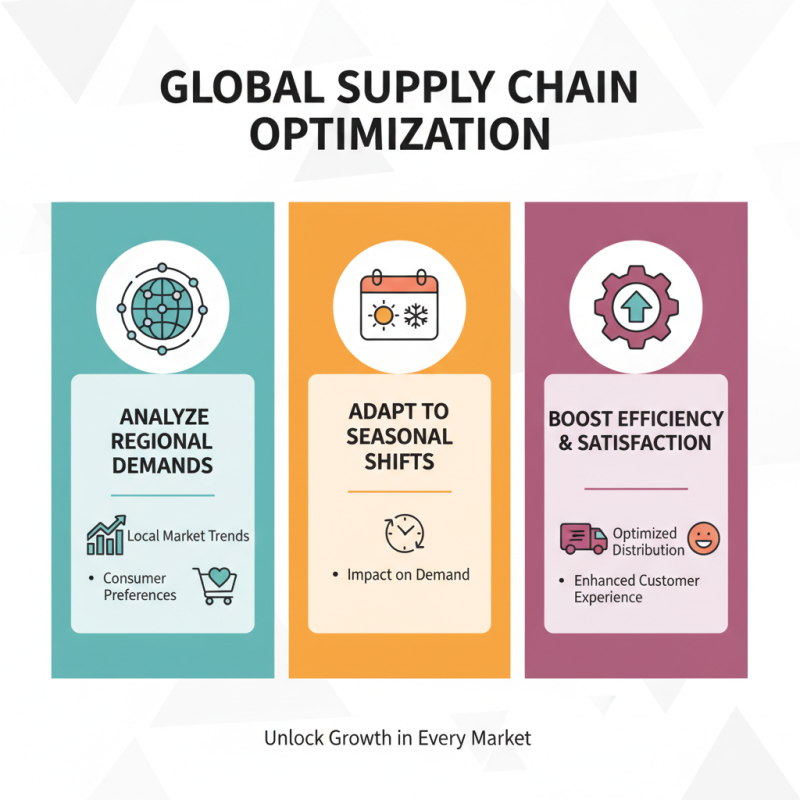
Understanding global supply chain dynamics is essential for optimizing your distribution system. Each region has unique demands. Recognizing these nuances can enhance efficiency and customer satisfaction. Start by analyzing local market trends. What are the current consumer preferences? How do seasonal shifts impact demand?
Tips: Regularly engage with local experts. Their insights can reveal hidden opportunities or potential obstacles. Focus on inventory management. Use data analytics to forecast needs. This approach minimizes overstock and stockouts.
Consider sustainability as well. Consumers increasingly favor eco-friendly practices. Adopt strategies that reduce waste and improve logistics. Evaluate transportation methods. A mix of air, sea, and ground can offer flexibility.
It's vital to review these elements frequently. Supply chain dynamics can change rapidly. What worked last year might not be effective today. Stay proactive to maintain a competitive edge. Aim for continuous improvement in your distribution practices.
Analyzing Transportation Models for Cost-Effectiveness and Efficiency
In today's competitive landscape, optimizing the distribution system is essential for global supply chains. Analyzing transportation models is critical for identifying cost-effective solutions. Various models can provide insights into logistics that enhance efficiency. For instance, the hub-and-spoke model facilitates streamlined operations, but it may not be the best fit for all scenarios. The variability in transportation costs can challenge decisions.
One approach to consider is last-mile delivery. While it may appear straightforward, issues arise in urban settings. For example, traffic congestion can significantly increase delivery times and costs. Analyzing real-time data can help mitigate these challenges. However, without robust data, companies may misallocate resources or overlook critical bottlenecks.
Another model worth exploring is just-in-time logistics. This strategy minimizes inventory costs but requires precise coordination. Delays in any link of the supply chain can disrupt the flow. While it’s often celebrated for its efficiency, it demands constant evaluation and refinement. Each model offers unique benefits and drawbacks. Continuous analysis ensures that your distribution system can adapt and thrive in a dynamic market.
How to Optimize Your Distribution System for Global Supply Chain? - Analyzing Transportation Models for Cost-Effectiveness and Efficiency
| Transportation Mode |
Cost per Unit ($) |
Average Delivery Time (Days) |
Carbon Footprint (kg CO2/unit) |
Capacity (Units per Trip) |
| Air Freight |
5.00 |
2 |
0.5 |
200 |
| Ocean Freight |
1.50 |
14 |
1.0 |
10000 |
| Rail Freight |
2.00 |
7 |
0.8 |
5000 |
| Truck Freight |
3.00 |
5 |
0.3 |
1000 |
| Bicycle Courier |
10.00 |
1 |
0.1 |
50 |
Leveraging Technology for Real-Time Inventory and Logistics Management
In today's global marketplace, optimizing your distribution system is crucial. Leveraging technology plays a major role in real-time inventory and logistics management. Modern tools can track stock levels, orders, and shipments, helping businesses respond swiftly to market changes. This level of responsiveness enhances efficiency and reduces costs.
Tips: Invest in cloud-based inventory management systems. They provide real-time data, making stock tracking easier. Automating processes can improve accuracy, but it’s vital to ensure staff are trained to use these systems effectively. Regularly review your technology to identify gaps or outdated features.
Implementing real-time logistics management can also bring challenges. Integration of new tools with existing systems may not go smoothly. You might face resistance from employees used to traditional processes. Encourage feedback from your team to identify pain points and areas for improvement. Open communication is key to overcoming these hurdles. Technology is an enabler, but it requires thoughtful implementation.
Implementing Data Analytics to Enhance Decision-Making in Distribution
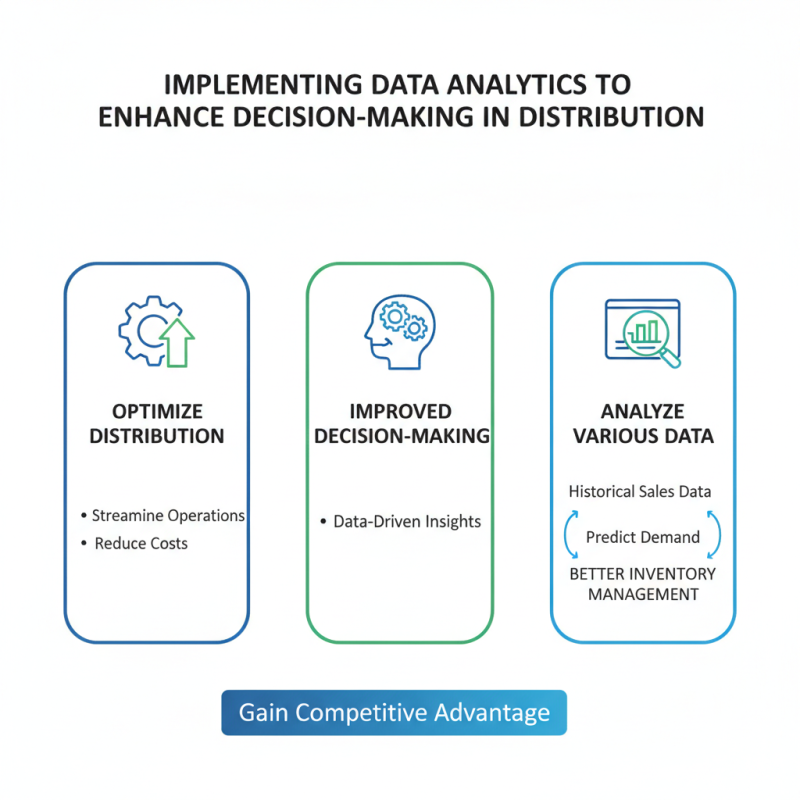
In today's competitive landscape, leveraging data analytics is crucial for optimizing distribution systems. Implementing these tools can enhance decision-making, streamline operations, and reduce costs. Companies need to analyze data from various sources effectively. For instance, utilizing historical sales data can help predict demand patterns, allowing better inventory management.
Tips: Focus on key performance indicators (KPIs) that matter. Monitor metrics like delivery times, order accuracy, and inventory turnover rates. These insights can reveal inefficiencies needing attention. Regularly review your analytics process to ensure it's aligned with your goals.
Be cautious with over-reliance on data. While analytics provides valuable insights, human judgment is essential in decision-making. Understanding market nuances may not always reflect in numbers. Continually assess your analytics methods. Are they providing actionable insights? If not, adjustments are necessary. Balancing data and experience can lead to more informed choices in your distribution strategy.
Evaluating Supplier Relationships and Network Optimization Strategies
Supplier relationships play a crucial role in optimizing your distribution system. Building strong partnerships fosters communication and trust. These attributes can lead to efficiency and innovation. Regularly evaluating suppliers helps ensure they meet your evolving needs. Check on their capabilities and reliability frequently. A responsive supplier can adapt to changes quickly.
Network optimization strategies also demand attention. Mapping your distribution network can reveal bottlenecks and inefficiencies. Consider using data analytics to gain insights. That can highlight areas for improvement. Factors like delivery times and costs should be examined closely. Collaboration among stakeholders is essential for better network performance.
However, it’s important to reflect on potential shortcomings in these relationships and strategies. Not every supplier will align perfectly with your goals. Conflicts may arise, causing delays and increasing costs. Regular assessments can mitigate these risks. A proactive approach is necessary to maintain an effective distribution system.
Optimization of Distribution System for Global Supply Chain
This bar chart illustrates the impact scores of various elements in optimizing a distribution system for a global supply chain. Each element is evaluated on a scale of 1 to 10, with higher scores indicating greater importance or effectiveness in contributing to overall supply chain efficiency.
 Employee Login
  Contractors Induction