2026 How to Optimize Distribution System in Power System for Efficiency?
The distribution system in power system plays a crucial role in delivering electricity from generation points to consumers. As energy demands grow, optimizing this system becomes essential. Inefficiencies can lead to increased costs and outages. Innovations can pave the way for better performance.
To enhance the distribution system in power system, various strategies need to be explored. Smart grids, renewable integration, and advanced monitoring techniques are promising solutions. However, challenges exist. Implementation may require significant investment and changes in infrastructure.
Moreover, not all solutions suit every region or community. Local conditions, grid age, and demand patterns vary. This complexity means one-size-fits-all methods often fail. A tailored approach, grounded in specific needs, is vital for true efficiency. Reflection on past implementations shows that adaptation is key.
Overview of Power Distribution Systems and Their Importance in Efficiency
Power distribution systems play a crucial role in delivering electricity from generation points to end-users. They ensure that homes and businesses have a reliable energy supply. Inefficient distribution can lead to energy loss, increasing operational costs. Understanding how these systems work is essential for improving efficiency.
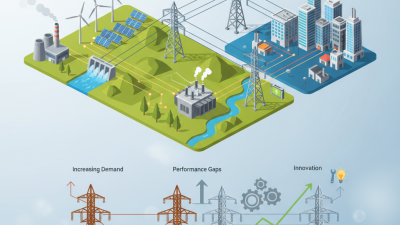
In many areas, outdated infrastructure hampers performance. During peak demand, overloads can occur, leading to outages. Additionally, faulty equipment can cause energy losses that impact overall efficiency. Regular maintenance and upgrades are critical for addressing these issues. Investing in smart grid technologies can also enhance monitoring and control.
The importance of efficiency cannot be overstated. Each percentage of energy wasted affects sustainability goals. Communities rely on robust and efficient power distribution for economic growth. As we look to the future, exploring innovative solutions becomes necessary. Data analytics and real-time monitoring could point to areas needing improvement.
Current Challenges in Power Distribution: Data and Statistics
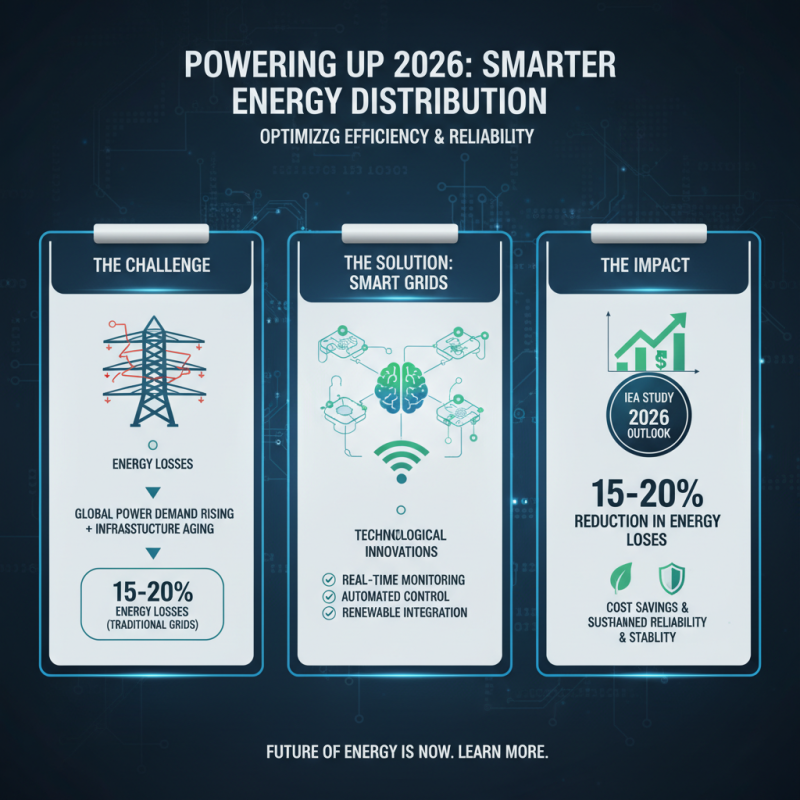
The power distribution system faces several significant challenges today. Data reveals that energy losses in distribution networks can reach up to 15%. Aging infrastructure is a major culprit, often leading to inefficiency. Many areas still rely on equipment that is decades old. This increases maintenance costs and risks outages, affecting overall system reliability.
Additionally, customer demand is steadily rising. This puts a strain on existing networks. Many utilities struggle to accommodate peak loads, resulting in blackouts in extreme cases. The integration of renewable energy sources adds complexity too. Managing distributed generation requires intelligent systems that can adapt to fluctuations in supply and demand.
Current statistics show that investments in smart grid technology increase efficiency by approximately 10%. However, not all regions have access to this technology. Some lag behind, raising concerns about equity in power distribution. Improving efficiency requires more than just investment; it demands a reevaluation of priorities and methods. New approaches must address these disparities, ensuring that all communities benefit equally.
2026 How to Optimize Distribution System in Power System for Efficiency? - Current Challenges in Power Distribution: Data and Statistics
| Parameter |
Value |
Unit |
| Average Distribution Losses |
8.4 |
% |
| Number of Outages |
120 |
per year |
| Average Outage Duration |
2.5 |
hours |
| Percentage of Smart Meters |
35 |
% |
| Annual Energy Demand Growth |
3.2 |
% |
| Average Response Time to Outages |
45 |
minutes |
| Infrastructure Investment |
$2.5 |
billion |
Case Studies: Successful Optimization Strategies in Power Systems
In recent years, optimizing distribution systems in power networks has gained significant attention. Case studies demonstrate that implementing advanced technologies can improve efficiency. For example, a study conducted by the International Energy Agency (IEA) revealed that automated demand response can reduce peak load by up to 10%. These improvements translate into substantial energy and cost savings.
One notable example comes from a utility that revamped its distribution network using smart grid technologies. By incorporating
real-time monitoring, they identified inefficiencies that previously went unnoticed. They found that
15% of their energy was lost in transmission. Addressing these losses helped enhance overall operational efficiency. However, achieving such results requires substantial initial investment and ongoing maintenance scrutiny.
In another case, a regional utility adopted
machine learning algorithms to predict energy demand patterns. This strategy led to a
20% reduction in energy wastage. While the technology provided valuable insights, it also exposed gaps in data accuracy. Continuous evaluation of the systems was necessary to refine the algorithms. These case studies illustrate the potential for optimization, but they also highlight the importance of critical assessment and adaptability in technology deployment.
Future Trends and Predictions for Power Distribution Efficiency by 2026
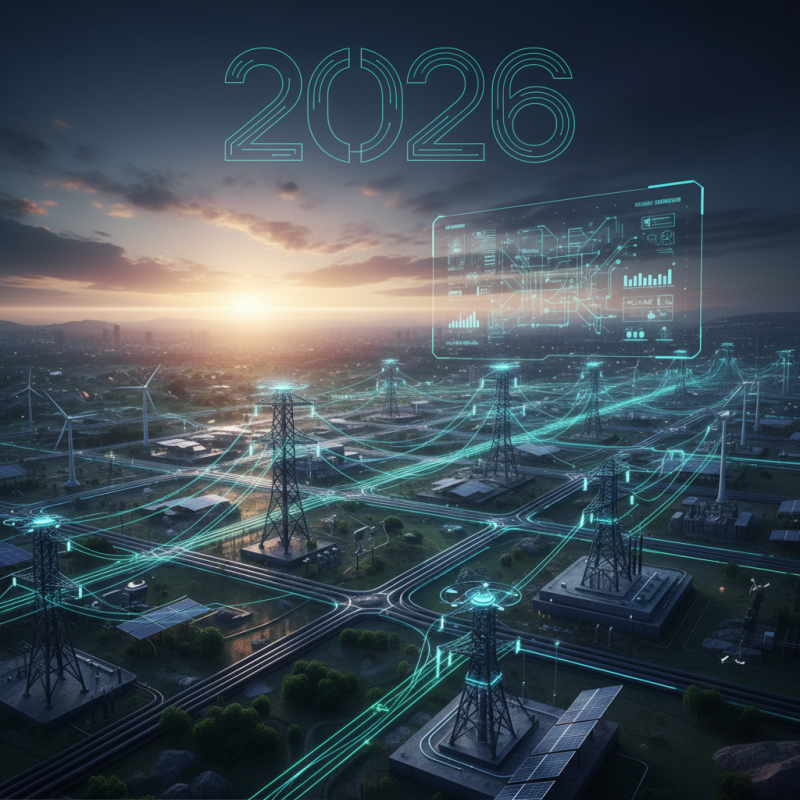
As we look towards 2026, power distribution efficiency is becoming a focal point for utilities and policymakers alike. The shift towards smart grid technologies will allow for real-time monitoring and management. Imagine a system where electricity flows seamlessly, reducing waste. This could drastically lower operational costs. However, the infrastructure requires significant investment and careful planning.
Emerging technologies such as decentralized energy resources are gaining traction. These systems can enhance resilience. But integration is often complicated. Existing grids might struggle to incorporate new sources. Additionally, cybersecurity concerns loom large as networks become more interconnected. Data protection must not take a backseat.
Additionally, advancements in energy storage will play a critical role. As battery technologies evolve, they can store excess generation for later use. This helps balance supply and demand. Yet, the challenge remains: will these technologies be implemented widely enough before 2026? Ensuring equitable access to these innovations is essential. Otherwise, efficiency gains may not benefit everyone equally.
 Employee Login
  Contractors Induction