How to Optimize Electrical Power Systems for Maximum Efficiency in 2026
As we approach 2026, optimizing electrical power systems is more critical than ever. The International Energy Agency reports that global electricity demand is set to rise by 30% by 2040. This surge necessitates innovative strategies to improve efficiency. Electrical power systems must adapt to integrate renewable energy sources effectively. In doing so, they can help reduce greenhouse gas emissions.
Recent studies indicate that inefficiencies in electrical power systems result in significant energy losses—approximately 8% globally. These losses highlight the need for advanced technologies and smarter grids. The implementation of real-time monitoring and predictive analytics can be game-changers. However, many systems still rely on outdated infrastructure, making them vulnerable to inefficiencies.
It is essential to address the existing gaps in electrical power systems. The challenge lies not only in technological advancement but also in policy alignment and investment. While many countries are setting ambitious targets for renewable energy, the path to achieve them remains uneven. A comprehensive approach must be taken to analyze and enhance these systems for a sustainable future.
Current Trends in Electrical Power Systems Optimization
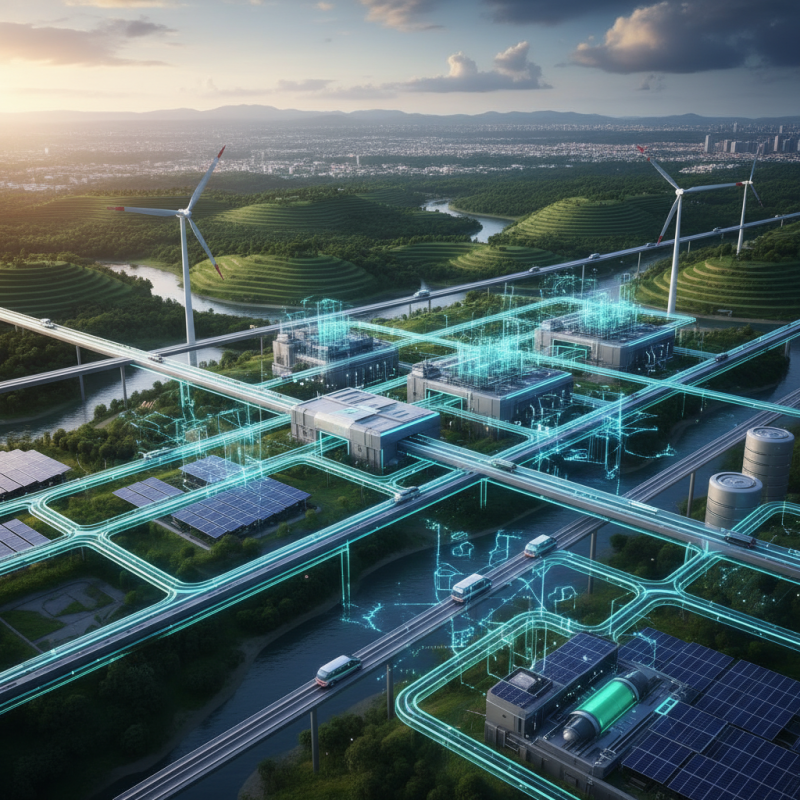
In 2026, optimizing electrical power systems is crucial. Current trends show a significant shift towards renewable energy sources. Solar and wind power are becoming mainstream. There’s a growing emphasis on energy storage solutions. These advancements can enhance efficiency and reduce waste.
To improve efficiency, consider smart grid technologies. Smart meters can help track usage in real-time. This data allows for better energy distribution. Combining IoT with power systems can also lead to optimized consumption.
Tip: Regular maintenance of equipment can prevent energy loss. Don’t overlook aging infrastructure. Replacing outdated components saves energy.
Embracing advancements is essential, but challenges remain. Resistance to change can slow progress. Many professionals still rely on traditional methods. This can hinder overall efficiency. Innovative solutions require adaptation and willingness to learn.
Key Technologies for Enhancing Efficiency in Power Grids
The electrical power system of 2026 will demand innovative technologies to enhance efficiency. The integration of smart grid technologies is essential. According to the International Energy Agency (IEA), smart grids can improve efficiency by up to 30%. This is vital as energy demands increase globally. Yet, challenges remain regarding infrastructure upgrades. Many existing systems are outdated and inefficient.
Digital energy management systems also play a key role. These systems analyze consumption patterns in real-time. Reports suggest that companies using such technologies can reduce energy costs by 15% to 20%. In many cases, however, implementation is slow. Utilities face resistance to change and skill gaps in the workforce.
Energy storage solutions are another focus. Battery technology, for instance, allows for the efficient storage of renewable energy. The World Economic Forum indicates that energy storage could double grid efficiency. But, high initial costs and limited battery lifespan need attention. Innovators must address these barriers to realize the full benefits of emerging technologies.
Integrating Renewable Energy: Challenges and Solutions
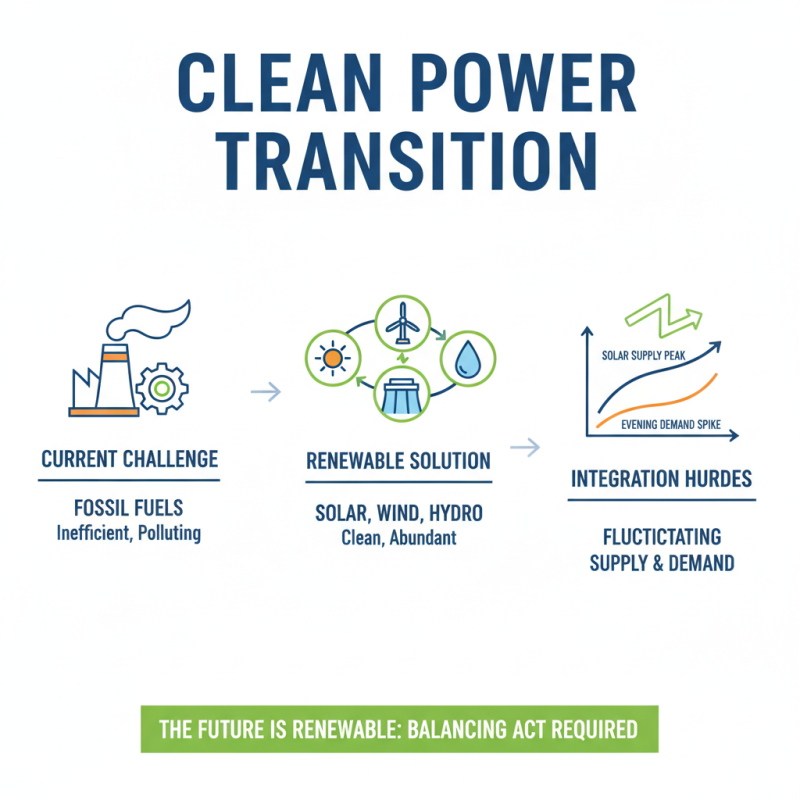
Integrating renewable energy into electrical power systems is a pressing challenge. Many systems rely heavily on fossil fuels, leading to inefficiencies. Transitioning to solar, wind, and hydro can transform energy production. However, fluctuating supply and demand often complicate this transition. For instance, solar energy peaks during the day, while demand can spike in the evening.
Energy storage solutions may help. Battery technology is improving but still faces hurdles. Cost, capacity, and lifecycle issues can limit their effectiveness. Meanwhile, grid infrastructure needs upgrades to handle decentralized energy sources. Some regions struggle with outdated systems. These factors create bottlenecks in effective integration.
Real-time monitoring and smart grid technology could offer solutions. Data analytics helps optimize energy flow. However, many utilities are not fully equipped to implement these technologies. Transitioning to a more efficient system remains a multifaceted challenge, requiring collaboration across sectors. Addressing these issues may seem daunting, yet the drive toward renewable energy is essential for a sustainable future.
Smart Grid Innovations for Improved Power Management
Smart grids are transforming power management. These networks use advanced technology to enhance efficiency. They integrate renewable energy sources seamlessly. Many homes and businesses can generate their own power. This change poses new challenges, though.
The communication between devices is crucial. Smart meters provide real-time data on energy consumption. However, privacy concerns arise with this data collection. Users worry about who has access to their information. Addressing these concerns is essential for widespread adoption.
Another effect of smart grids is the fluctuation in demand and supply. Automated systems can adjust power distribution dynamically. Yet, over-reliance on technology may lead to outages if systems fail. Innovations in backup solutions are necessary. It’s vital to balance technology with human oversight to ensure reliability.
Future Projections: Efficiency Goals for Power Systems by 2026
By 2026, the emphasis on energy efficiency in electrical power systems is projected to reshape industry standards. According to the International Energy Agency, achieving a 30% reduction in energy losses is a key goal. Current systems waste approximately 8% of electricity generated. This inefficiency must be addressed to meet future demand.
Energy management systems (EMS) play a critical role. The market for EMS is projected to grow by 14% from 2023 to 2026. Enhanced monitoring can lead to better resource allocation. However, many existing systems struggle to integrate new technologies. Implementation is often slow, leading to missed opportunities for improvement.
Investments in smart grid technology are essential. By 2026, smart grids are expected to cut transmission losses by 30%. Yet, high upfront costs and infrastructure challenges remain obstacles. Many stakeholders question if the returns justify the initial investments. Close collaboration among utilities, governments, and consumers is vital. Achieving efficiency goals depends on collective action and innovation in this evolving landscape.
Projected Efficiency Goals for Electrical Power Systems by 2026
This chart illustrates the projected efficiency percentages of various electrical power systems by the year 2026. The data reflects trends in renewable energy integration, advancements in smart grid technology, and improvements in energy storage solutions.
 Employee Login
  Contractors Induction