How to Optimize Medium Voltage Power Systems for Efficiency?
In the evolving landscape of energy management, optimizing medium voltage power systems is crucial for increasing efficiency and sustainability. Dr. Emily Carter, a renowned expert in electrical engineering, emphasizes, "Efficiency in medium voltage power systems can transform energy usage across industries." This perspective highlights the critical role that these power systems play in modern infrastructure.
Typically, medium voltage power systems operate between 1 kV to 35 kV. They are pivotal in distributing electricity within industrial and commercial sectors. However, many organizations overlook potential improvements. Low efficiency not only increases operational costs but also contributes to higher carbon emissions.
Every power system offers room for enhancement. By incorporating advanced technologies like smart grids and predictive analytics, organizations can optimize performance. Yet, achieving this requires a change in mindset, along with investment in training and tools. Such efforts can yield significant returns, making medium voltage power systems more efficient and reliable.

Understanding Medium Voltage Power Systems and Their Importance
Medium voltage power systems play a vital role in industrial and commercial electricity distribution. They bridge the gap between high voltage transmission lines and low voltage networks. Understanding their role is key to enhancing energy efficiency and reliability. Efficient medium voltage systems reduce energy losses and minimize operational costs. Investing in these systems improves overall energy management.
Tips for optimization: Regularly conduct thermal imaging inspections to identify hotspots in electrical components. This can prevent costly failures. Also, consider power factor correction to enhance efficiency. By improving power factor, you can reduce energy wastage and ensure better load management.
Monitoring and maintenance are crucial. Use smart sensors to track performance in real-time. This proactive approach can highlight potential issues before they escalate. Understand that each system is unique. Adapt strategies based on specific operational needs and infrastructure. Every step toward improvement counts, but progress can sometimes be slow. Reflect on past projects to guide future enhancements.
Medium Voltage Power Systems Efficiency Optimization
Identifying Key Efficiency Metrics for Medium Voltage Systems
In the pursuit of optimizing medium voltage power systems, identifying key efficiency metrics is crucial. Efficiency is often measured in terms of energy losses, power factor, and load balancing. Monitoring energy losses can help pinpoint areas where waste occurs. Power factor indicates how effectively the system utilizes electricity. A low power factor can lead to increased costs and reduced system performance.
Load balancing is another metric that should not be overlooked. An unbalanced load can cause overheating and equipment failures. Regular monitoring allows for timely adjustments that improve efficiency. However, achieving balance requires continuous effort and periodic reassessment.
Moreover, operator training plays a significant role in maintaining these metrics. Well-informed personnel can implement best practices and adapt to system changes. Yet, even the most trained staff might face challenges when dealing with unexpected system behaviors. This reality underscores the need for ongoing education and adaptability in managing medium voltage systems effectively.
Strategies for Reducing Losses in Medium Voltage Power Distribution
Medium voltage power systems play a critical role in electricity distribution. To enhance efficiency, it’s essential to focus on reducing losses. Common losses stem from resistive heating in conductors and equipment inefficiencies. Addressing these can lead to substantial energy savings and cost reductions.
One effective strategy is to use better materials for conductors. High-quality conductors can minimize resistive losses. Additionally, optimizing transformer performance by selecting units with lower losses is another approach. Regular maintenance should not be overlooked.
Ensuring that connections are tight helps prevent overheating and energy waste.
Implementing smart grid technologies can also enhance monitoring of voltage and current. Real-time data allows for quicker detection of inefficiencies. However, this requires investment and staff training. It’s not a seamless process; data accuracy can fluctuate.
Reflection on these challenges is vital to refine optimization strategies continuously. Every small adjustment contributes to a more efficient power distribution network.
Implementing Advanced Technologies for Enhanced System Efficiency
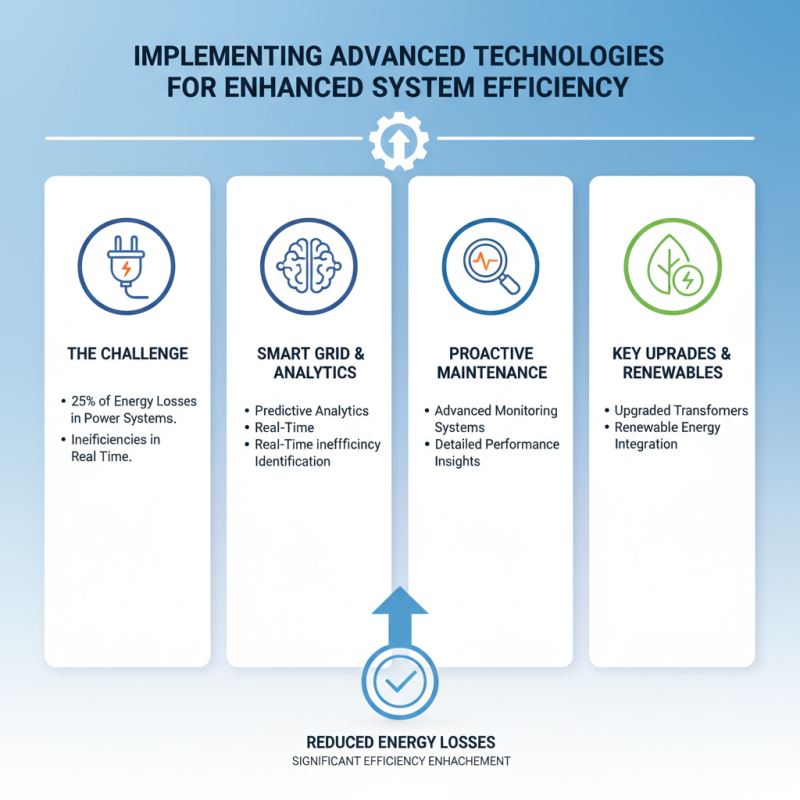
Implementing advanced technologies in medium voltage power systems can significantly enhance efficiency. According to a recent industry report, nearly 25% of energy losses occur within power systems. By adopting smart grid technologies and predictive analytics, operators can identify inefficiencies in real-time. For instance, advanced monitoring systems provide detailed insights into system performance, enabling proactive maintenance. Upgrading transformers and integrating renewable energy sources also contribute to reduced losses.
Investing in automation can drive efficiency gains. Automation reduces human error and improves response times during outages. A survey revealed that automated systems can lower operational costs by up to 30%. However, many facilities struggle to fully leverage these technologies due to lack of expertise or upfront costs. This hesitation can lead to missed opportunities for optimization.
Moreover, ongoing training and development are crucial. Operators need to stay updated on the latest advancements. A company with well-trained staff can achieve up to 18% higher reliability in their systems. Yet, many organizations underestimate the importance of continuous education. Efficient power systems not only save money but also contribute to sustainability goals. The journey towards optimization requires commitment and reflection on current strategies.
Regular Maintenance Practices for Sustaining Optimal Performance
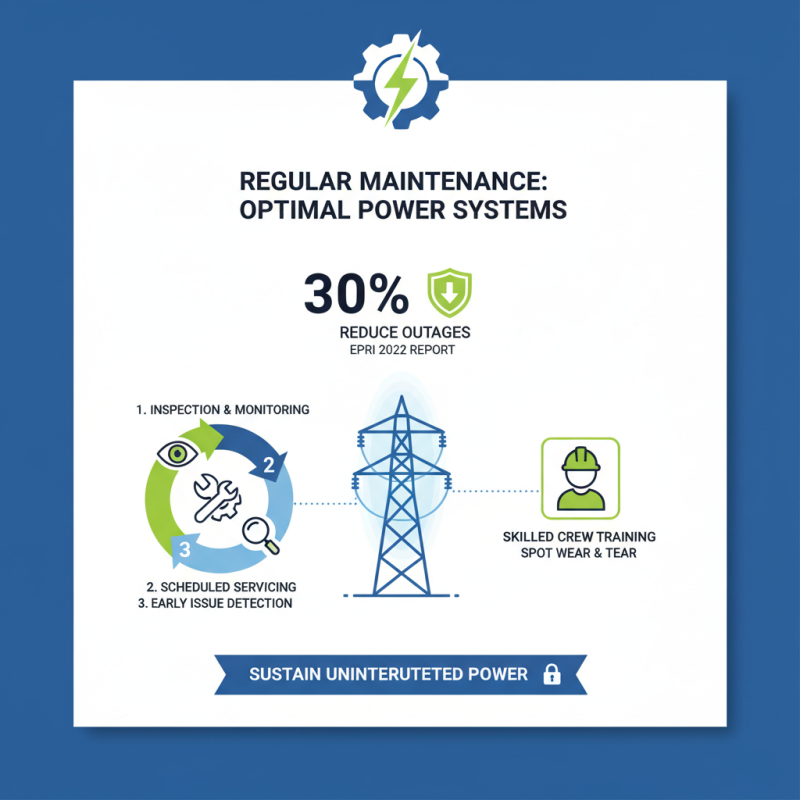
Regular maintenance is vital for the efficiency of medium voltage power systems. According to a 2022 report by the Electric Power Research Institute, regular inspection and maintenance can reduce the risk of outages by up to 30%. Scheduled maintenance helps in identifying potential issues before they escalate. Crew training is essential here. Skilled technicians can spot wear and tear during routine inspections.
Replacing aging components is another crucial practice. The IEEE has reported that 60% of power outages stem from equipment failures. System reliability improves significantly with proactive replacements. Visual inspections should be thorough. Look for signs of corrosion, loose connections, and overheating. These small details can indicate larger problems.
Applying predictive maintenance techniques can enhance system performance. Sensors and data analytics can predict failures before they happen. This proactive approach can reduce unplanned downtime by 50%. However, the cost of implementing such systems can overwhelm some organizations. Investment in technology is essential, but so is smart budgeting. Balancing cost and efficiency is a challenge that needs constant evaluation.
 Employee Login
  Contractors Induction