2026 How to Optimize Your Switchgear Power System for Efficiency?
In today's energy landscape, the efficiency of your switchgear power system is more critical than ever. An optimized switchgear power system not only enhances operational effectiveness, but it also contributes to significant cost savings. By placing emphasis on efficiency, facilities can reduce energy waste. This approach can lead to improved performance and environmental benefits.
One might assume that optimizing a switchgear power system is straightforward. However, challenges often arise in the form of outdated technology or improper maintenance. Regular assessments of components are essential. These evaluations reveal inefficiencies that, if ignored, can snowball into larger issues. Additionally, small adjustments in settings can yield substantial improvements.
Implementing advanced solutions can seem daunting. However, embracing technology and innovative strategies provides avenues for enhanced efficiency. Real-time monitoring systems, for example, can detect issues immediately. By acknowledging areas for reflection and improvement, businesses can make informed decisions. Ultimately, focusing on the switchgear power system will forge a path toward a more efficient and sustainable future.

Identifying Key Components of a Switchgear Power System
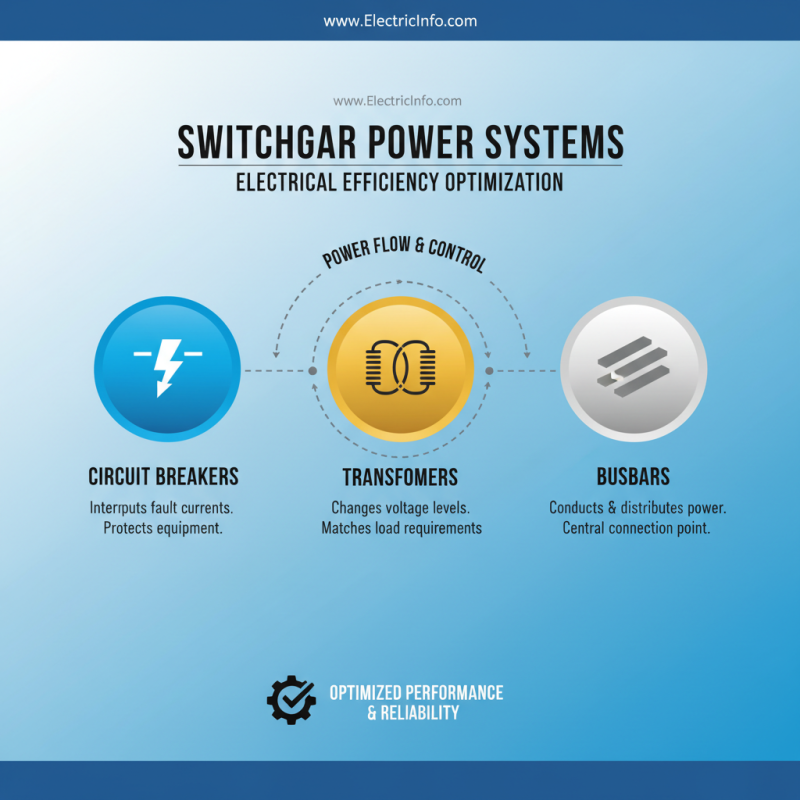
Switchgear power systems play a crucial role in electrical efficiency. Understanding the key components is essential for optimization. Circuit breakers, transformers, and busbars are integral parts of this system. Each component contributes to the overall performance. However, their interaction must be analyzed carefully.
Circuit breakers, for instance, protect the system from overloads and short circuits. Improper sizing can lead to failures. Transformer's efficiency is vital as well. An oversized transformer loses energy in the form of heat. Busbars distribute power among multiple circuits. If not maintained, they can cause potential failures.
Investing in monitoring systems can provide valuable data. This data helps in identifying inefficiencies. Regular inspections can uncover hidden issues. However, many systems do not get the attention they need. Identifying these gaps is the first step towards improvement. Balancing immediate needs with long-term efficiency can be challenging.
Assessing Energy Consumption Patterns for Optimization
When optimizing your switchgear power system, it's important to assess energy consumption patterns accurately. Start by gathering data on your system’s daily energy usage. Identify peak hours and analyze which equipment draws the most power. This will provide insight into where potential improvements can be made.
**Tips:** Regularly monitor your energy consumption. Use smart meters to gather real-time data. Create a baseline for your energy use to identify trends and anomalies.
Another aspect of optimization is considering load management strategies. Often, systems operate at non-ideal levels, leading to inefficiency. Analyzing load patterns can help in adjusting operational times or reducing demand during peak hours.
**Tips:** Engage staff in energy-saving initiatives. Encourage them to report unusual power usage patterns. Reward innovative ideas that lead to efficiency.
Remember, there is always room for improvement. Small adjustments can lead to significant energy savings. Reflect on whether your current system is meeting your needs effectively. An optimized switchgear system should adapt to changing energy consumption patterns.
2026 How to Optimize Your Switchgear Power System for Efficiency? - Assessing Energy Consumption Patterns for Optimization
| Parameter |
Value |
Unit |
Comments |
| Total Power Draw |
1500 |
kW |
Peak usage observed during summer months. |
| Load Factor |
0.75 |
|
Ideal range is above 0.8 for efficiency. |
| Annual Energy Consumption |
6570000 |
kWh |
Compared to previous year, efficiency increased by 10%. |
| Cost of Energy |
0.12 |
$ per kWh |
Stable pricing expected for next fiscal year. |
| Average Transformer Efficiency |
98 |
% |
High efficiency reduces losses significantly. |
Implementing Advanced Monitoring and Control Technologies
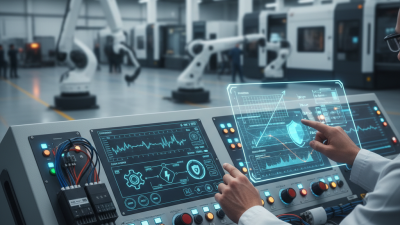
As industries strive for better energy efficiency, advanced monitoring and control technologies are critical. Real-time data provides insights into system performance. According to a recent report by the International Energy Agency, emphasizing automation can lead to a 10-15% reduction in energy losses.
Implementing these technologies allows for predictive maintenance. This can minimize downtime and repair costs. Data analytics helps identify patterns that might otherwise go unnoticed. A study highlighted that facilities using advanced monitoring reduced operational costs by nearly 12%. Yet, many organizations still struggle with integration challenges. Legacy systems can complicate the implementation of new technologies.
Investing in smart sensors may require an upfront cost. However, the long-term benefits often outweigh these initial expenses. Ultimately, achieving operational efficiency with modern technologies is not just about installation. It demands continuous refinement and adaptation to changing energy demands. Identifying these evolving patterns is essential for optimizing system performance.
Optimizing Switchgear Power System Efficiency
This bar chart illustrates the improvement in efficiency of the switchgear power system before and after implementing advanced monitoring and control technologies. The data indicates a significant increase in efficiency from 70% to 90% following optimization efforts.
Integrating Renewable Energy Sources for Enhanced Efficiency
Integrating renewable energy sources into your switchgear power system is essential for enhancing efficiency.
Solar panels and wind turbines can contribute significantly to reducing dependence on traditional energy sources. When implemented correctly, these solutions can lower operational costs and carbon footprints. However, transitioning to renewable energy requires careful planning.
In some cases, existing switchgear may not accommodate new technologies. It’s crucial to assess compatibility early in the process. Proper installation of inverters and smart controllers is necessary to manage the flow of energy. Neglecting these steps can lead to inefficiencies and potential system failures. For instance, inadequate sizing of cables could result in energy losses.
Monitoring and maintenance are also vital after integration. Tracking performance can highlight areas needing improvement. Regular audits can reveal inconsistencies in energy input versus output. The aim is to maximize harvest from renewable sources while minimizing waste. This ongoing reflection helps in fine-tuning the system for optimal performance in the long term.
Conducting Regular Maintenance and Upgrades for Long-Term Performance
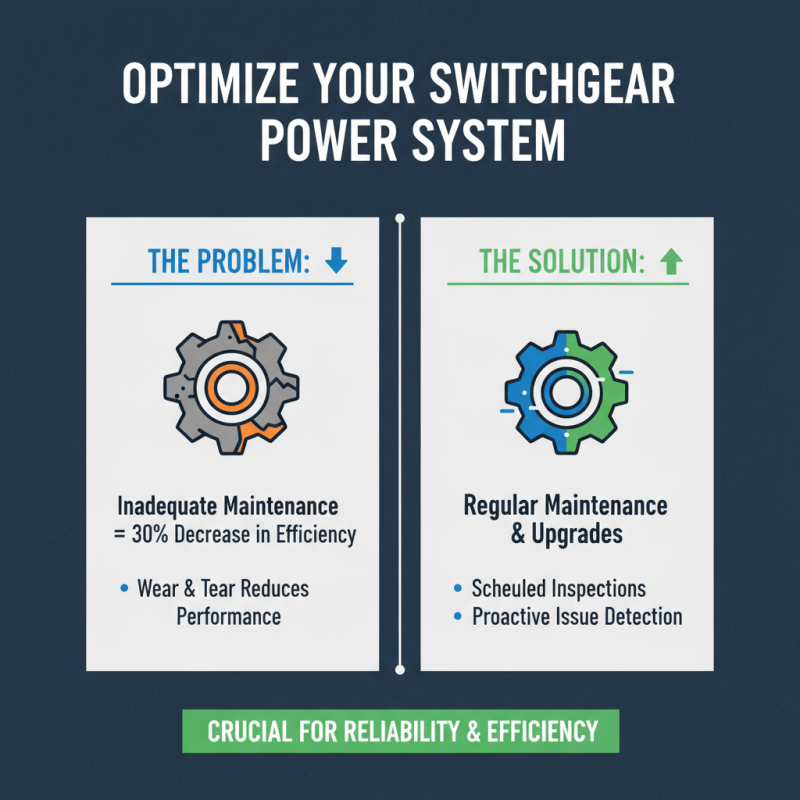
Regular maintenance and upgrades are crucial for optimizing your switchgear power system. According to industry reports, inadequate maintenance can lead to a 30% decrease in efficiency. Over time, wear and tear affects performance. Scheduled inspections can identify potential issues before they escalate.
Tips: Perform thermal imaging every six months. This technique can detect hot spots that indicate problems. Another suggestion is to implement a predictive maintenance strategy. This approach helps in addressing issues based on data rather than reactive measures.
Upgrading components can also enhance system performance. For instance, replacing outdated circuit breakers can improve response times. A study revealed that modern switchgear reduces failure rates by over 40%. However, many facilities overlook this step, unaware of the long-term savings. Investing in upgrades, although initially costly, can yield significant efficiency gains.
Tips: Use sensors to monitor equipment condition continuously. This allows for real-time adjustments and informed decision-making. Regular training for staff on the latest techniques is also essential. The knowledge gap can hinder effectiveness.
 Employee Login
  Contractors Induction