Top 10 Power Distribution System Types for Efficient Energy Management
In the modern energy landscape, the importance of an efficient power distribution system cannot be overstated. With global electricity demand projected to increase by 2.1% annually, the need for optimizing electrical distribution networks has never been more critical. According to a report by the International Energy Agency (IEA), enhancing the efficiency of power distribution systems could potentially curb electricity losses, which currently account for around 8-10% of total generation worldwide. As the world shifts towards more renewable energy sources, integrating reliable power distribution systems will be vital for maintaining grid stability and energy reliability.
Industry expert Dr. Jane Smith, a renowned authority in power systems management, emphasizes the significance of innovation in energy distribution: “A well-optimized power distribution system is the backbone of a sustainable energy future. It not only ensures that energy is delivered effectively but also plays a crucial role in supporting the integration of renewable energy sources.” In light of these developments, exploring the top power distribution system types is essential for stakeholders aiming to enhance energy management practices and maximize operational efficiency. Such insights will be invaluable for utilities and energy managers seeking to adapt to evolving technological landscapes and regulatory frameworks.
Overview of Power Distribution Systems and Their Importance
Power distribution systems play a crucial role in the efficient management of energy across various sectors, including residential, commercial, and industrial applications. These systems are responsible for delivering electricity from the transmission system to end-users, ensuring that energy is used effectively and sustainably. According to the International Energy Agency (IEA), global electricity demand could increase by 30% by 2040, underscoring the need for more efficient power distribution solutions. Efficient distribution not only supports the reliability of power supply but also minimizes energy losses, which can account for up to 8% of global electricity consumption, according to the World Bank.
Furthermore, with the rise of decentralized energy sources, such as renewable energy installations, power distribution systems must adapt to manage not only the inflow of traditional electricity but also the complexities introduced by these new sources. A report by the U.S. Department of Energy highlights that upgrading power distribution infrastructure to be smarter can potentially reduce outage durations by 30-40%. This not only improves customer satisfaction but also paves the way for enhanced grid resilience. As energy management continues to evolve, the importance of an efficient power distribution system in optimizing energy use and supporting the transition to cleaner energy sources cannot be understated.
Types of Power Distribution Systems: A Comparative Analysis
Power distribution systems are crucial for delivering electricity efficiently from generation sources to consumers. There are several types of power distribution systems, each with its advantages and disadvantages depending on the specific application, geographical layout, and consumer needs. A comprehensive comparative analysis of these systems reveals a balanced approach to energy management.
One of the primary distinctions lies between centralized and decentralized power distribution systems. Centralized systems are typically characterized by a single point of generation, which can make them more straightforward and cost-effective in some scenarios. However, they may suffer from inefficiencies over long distances due to energy loss in transmission. In contrast, decentralized systems allow for localized power generation, such as solar or wind, which can reduce transmission losses and enhance resilience. Yet, they may require more sophisticated management and control strategies to coordinate multiple energy sources effectively.
Another key comparison is between radial and loop distribution systems. Radial systems are simpler and easier to maintain, making them suitable for rural and less densely populated areas. However, their vulnerability to outages can be a significant drawback. Loop systems, on the other hand, offer increased reliability and redundancy because they allow for multiple paths for electricity to flow, ensuring that power can be rerouted in the event of a fault. Despite their complexity and higher initial costs, loop systems are increasingly favored in urban settings where reliability is paramount. Understanding these types and their comparative efficiencies is vital for stakeholders looking to optimize energy management strategies.
Key Components of Efficient Power Distribution Systems
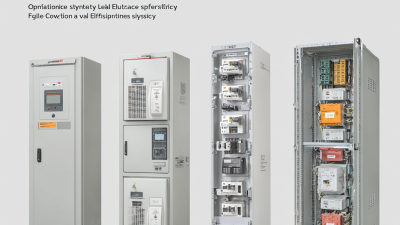
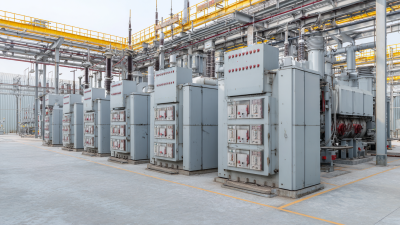
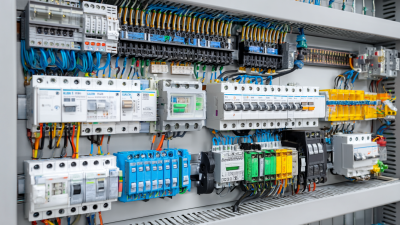
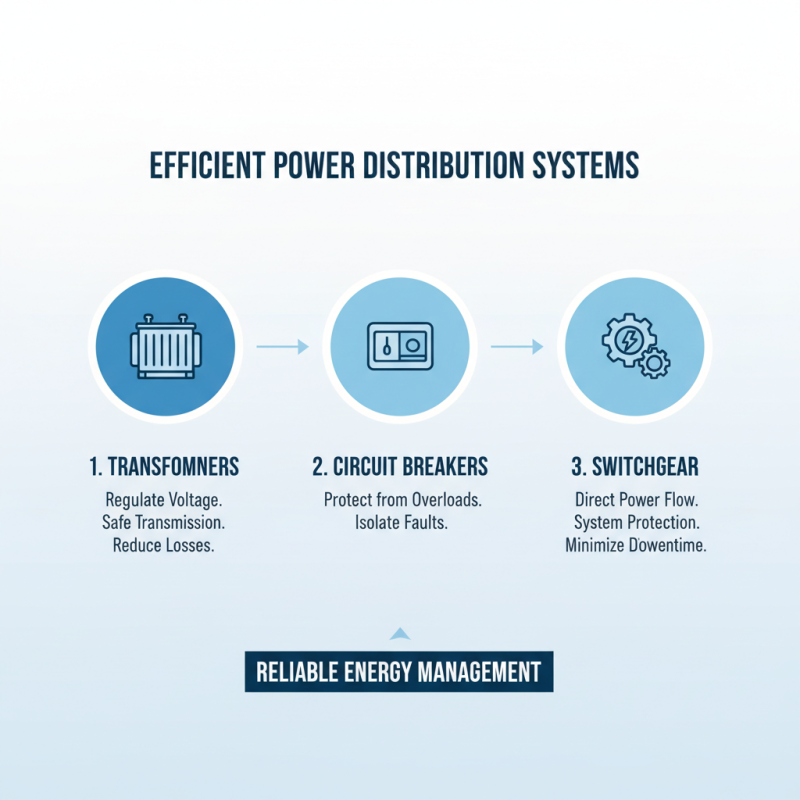
Efficient power distribution systems rely on several key components that work in harmony to ensure reliable energy management. One of the most critical elements is the transformer, which regulates voltage levels and facilitates the safe transmission of electricity across varying distances. Proper installation and maintenance of transformers are essential for reducing losses and enhancing the efficiency of the overall system. Additionally, circuit breakers and switchgear play pivotal roles in protecting the distribution network from overloads and faults, allowing for quick isolation of issues and minimizing downtime.
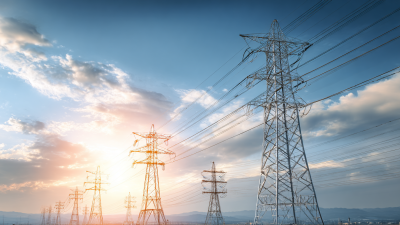
Another important component is the distribution network itself, which encompasses wiring, poles, and substations that deliver power from generation sources to end-users. An optimized distribution network should consider factors like load balancing, which ensures that electricity is evenly distributed to avoid overloading specific areas. Moreover, advanced monitoring systems and smart grid technology are becoming increasingly vital, as they provide real-time data and analytics that help in making informed decisions. These systems not only enhance operational efficiency but also facilitate quick responses to outages, thereby improving overall service reliability.
Innovative Technologies Enhancing Power Distribution Efficiency
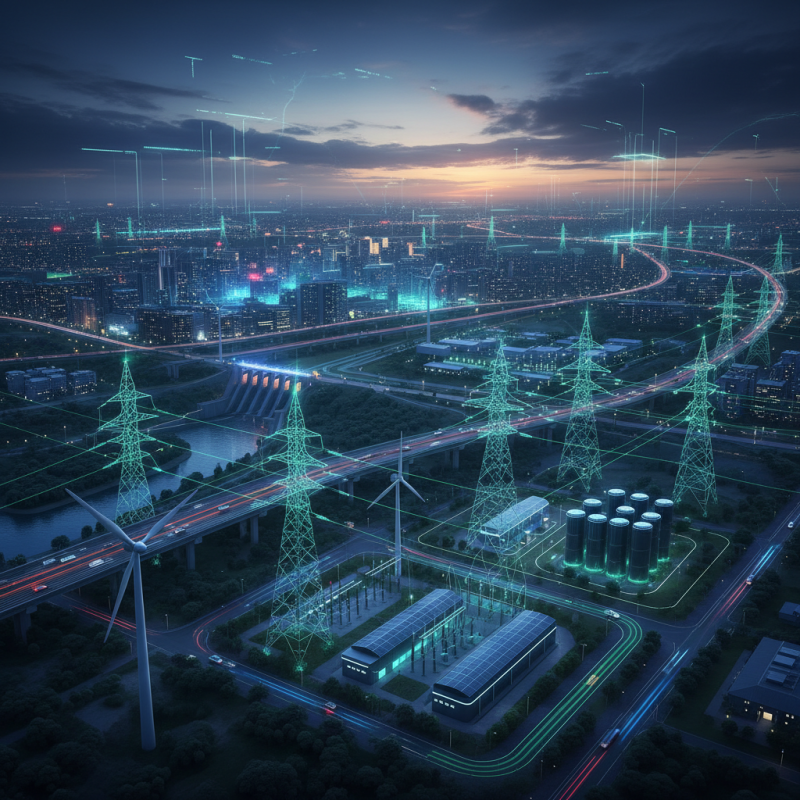
Innovative technologies are revolutionizing power distribution systems, making them more efficient and reliable. Smart grids are at the forefront of this transformation, integrating digital technology with traditional power distribution methods. By enabling real-time monitoring and data analytics, smart grids can optimize energy flows, reduce outages, and enhance response times during peak demand periods. The incorporation of IoT (Internet of Things) devices into these systems allows for advanced load management, predictive maintenance, and improved grid reliability, ultimately leading to significant energy savings and reduced operational costs.
Another key innovation is the utilization of energy storage solutions, such as advanced batteries and pumped hydro storage. These technologies allow for the capture and storage of excess energy generated during low demand periods, which can then be redistributed during high demand. This not only stabilizes the grid but also supports the integration of renewable energy sources, further enhancing the sustainability of power distribution systems.
The development of microgrid systems also plays a crucial role, as they enable localized energy distribution and generation, allowing communities to become more resilient against large-scale outages and to better harness local renewable resources. Together, these innovations are shaping a more efficient and sustainable future for energy management.
Best Practices for Energy Management in Power Distribution Systems
Effective energy management in power distribution systems is crucial for optimizing performance and minimizing waste. One best practice is the implementation of real-time monitoring systems. By utilizing smart sensors and integrated software, utilities can track energy flow, detect anomalies, and predict demand fluctuations, thus enabling proactive adjustments to improve system reliability. This approach not only enhances operational efficiency but also helps in making informed decisions regarding maintenance and upgrades.
Another important practice involves the use of demand response strategies. By incentivizing consumers to adjust their energy use during peak demand times, utilities can alleviate pressure on the distribution network and lower the likelihood of outages. Educating customers about energy conservation techniques and time-of-use pricing can create a collaborative environment where both utilities and consumers work together for efficient energy management. Additionally, investing in energy storage solutions can help balance supply and demand by storing excess energy during low-use periods for later distribution during peak times, thereby ensuring a more resilient power distribution system.
Top 10 Power Distribution System Types for Efficient Energy Management
| System Type |
Description |
Efficiency (%) |
Best Practices |
| Overhead Distribution System |
Commonly used for urban and rural power distribution. |
85 |
Regular maintenance, vegetation management. |
| Underground Distribution System |
Used in densely populated areas to reduce visual impact. |
90 |
Insulation checks, flood prevention measures. |
| Smart Grid |
Integrates digital technology for better demand management. |
95 |
Utilization of real-time data, automated controls. |
| Microgrid |
Localized grid that can operate independently or with the main grid. |
92 |
Renewable integration, demand response systems. |
| Radiant Heating System |
Efficient heating method for buildings, reducing energy use. |
88 |
Monitoring thermal performance, insulation upgrades. |
| Distributed Generation |
Generation of electricity from many small energy sources. |
89 |
Energy storage systems, energy management software. |
| HVDC Transmission |
High Voltage Direct Current for long-distance power transmission. |
97 |
Regular system upgrades, monitoring performance. |
| Load Balancing System |
Distributing electrical load to prevent outages. |
93 |
Regular audits, real-time monitoring systems. |
| Energy Management System (EMS) |
Integration of energy production and consumption for efficiency. |
94 |
Smart sensors, data analytics use. |
 Employee Login
  Contractors Induction