What is a Power Management System and How Does It Benefit Your Business
In today's fast-paced business environment, maintaining operational efficiency is paramount. One of the critical components that can significantly enhance this efficiency is a power management system. This system serves as a centralized approach to monitoring, controlling, and optimizing energy consumption across various business operations. With energy costs on the rise and sustainability becoming an essential goal for businesses, implementing an effective power management system can lead to substantial financial savings and a reduced environmental footprint.
Moreover, a power management system not only streamlines energy usage but also provides valuable insights through data analytics. These insights allow businesses to make informed decisions about their energy consumption patterns, leading to better resource allocation and reduced waste. As organizations strive to remain competitive, adopting a power management system can result in long-term benefits, including enhanced operational reliability and sharper cost management strategies. By prioritizing energy efficiency, companies can not only improve their bottom line but also contribute to a more sustainable future.

What is a Power Management System and Its Key Components
A Power Management System (PMS) is a crucial aspect of modern industrial operations, optimizing the control and distribution of electrical energy within an organization. At its core, a PMS integrates various components—such as energy meters, control systems, and automated monitoring tools—to ensure that energy utilization is efficient and aligned with operational needs. According to a report by the International Energy Agency (IEA), optimizing energy use can lead to cost savings of up to 30% in industrial settings, making the role of a PMS integral to enhancing operational efficiency and sustainability.
Key components of a Power Management System include energy management software, real-time monitoring sensors, and predictive analytics tools. Energy management software allows businesses to analyze consumption patterns and identify inefficiencies, while real-time monitoring sensors track energy usage across all facilities. Additionally, predictive analytics tools help organizations forecast energy demands and implement strategies to mitigate peak load penalties. A study by the U.S. Department of Energy indicates that companies utilizing advanced energy management practices can reduce their energy consumption by nearly 10-20%, showcasing the tangible benefits of a robust PMS in maximizing energy efficiency and reducing operational costs.
The Role of Power Management Systems in Energy Efficiency Improvement
Power Management Systems (PMS) play a crucial role in enhancing energy efficiency within businesses by enabling precise monitoring and control of energy consumption. These systems are designed to analyze energy usage patterns, identify inefficiencies, and implement measures to optimize power distribution. By using real-time data, businesses can proactively manage energy loads, reduce wastage, and respond to fluctuations in energy demands. This direct oversight allows for not only cost savings but also a significant reduction in carbon footprint, aligning corporate practices with sustainability goals.
Moreover, the implementation of a PMS fosters a culture of energy efficiency across all levels of an organization. Employees become more aware of energy usage and can actively participate in initiatives aimed at reducing consumption. This collaborative approach not only encourages responsible energy use but also often leads to innovative solutions to further enhance efficiency. By integrating these systems, companies can leverage advanced technologies like automated controls and smart meters, ensuring that energy is used judiciously while maintaining operational excellence. In turn, this positively impacts overall business performance and contributes to long-term financial advantages.
What is a Power Management System and How Does It Benefit Your Business - The Role of Power Management Systems in Energy Efficiency Improvement
| Dimension |
Details |
| Definition |
A Power Management System (PMS) is a technology-based control system designed to manage energy consumption efficiently across an organization. |
| Key Functions |
Monitoring energy usage, load balancing, and optimizing energy distribution. |
| Benefits |
Increased energy efficiency, reduced operational costs, and improved sustainability. |
| Energy Cost Savings |
Businesses can save up to 30% on energy costs by implementing an effective PMS. |
| Data Analytics |
Advanced analytics enable businesses to track patterns and improve energy consumption strategies. |
| Environmental Impact |
Decreased carbon footprint through optimized energy use and reduced wastage. |
| Implementation Challenges |
Resistance to change and initial setup costs can be barriers to implementation. |
| Future Trends |
Integration of AI and IoT for smarter energy management and predictive maintenance. |
Industry Statistics: Cost Savings from Implementing Power Management Systems
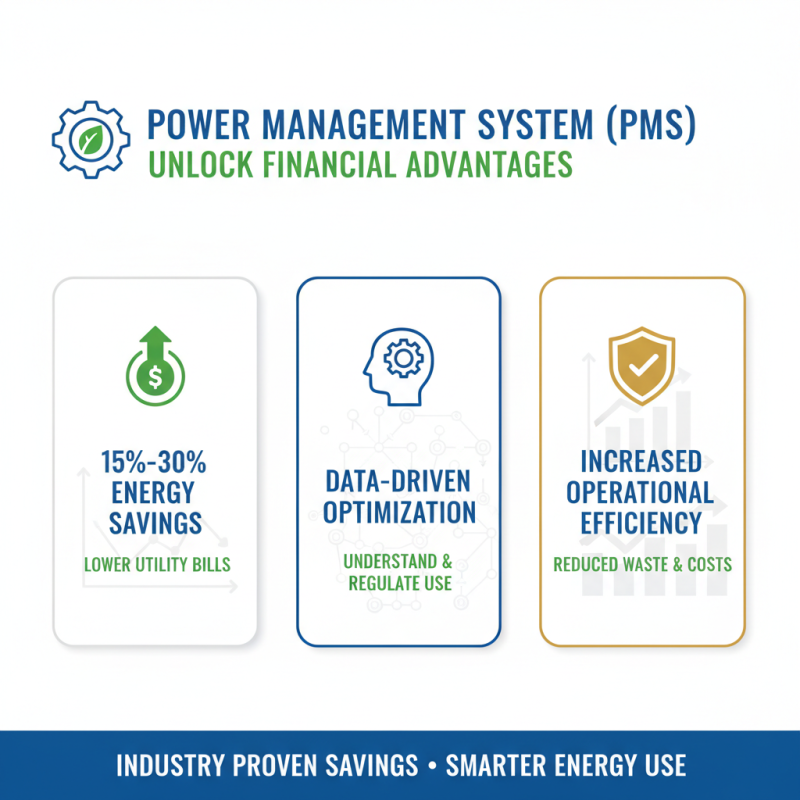
Implementing a Power Management System (PMS) offers significant financial advantages for businesses across various industries. Industry statistics reveal that companies that adopt these systems can achieve substantial cost savings—a noteworthy incentive for organizations seeking to optimize their operational efficiency. In many cases, businesses have reported energy savings ranging from 15% to 30%, directly translating into lower utility bills. These savings stem from a deeper understanding of energy consumption patterns and the ability to regulate energy use based on actual demand rather than static averages.
Moreover, the competitive edge gained through the implementation of a PMS is reinforced by lower operational costs. By minimizing waste and enhancing the effectiveness of energy usage, organizations not only conserve resources but also contribute to sustainability goals, which are increasingly important in today’s market. Reports indicate that businesses that prioritize energy efficiency through effective PMS can see long-term savings that significantly outweigh the initial investment, making it a prudent financial strategy for forward-thinking enterprises.
Case Studies: Successful Integration of Power Management in Businesses
Power management systems (PMS) have become crucial for businesses aiming to optimize their energy usage and enhance operational efficiency. Industries that have successfully integrated PMS have seen substantial benefits, including reduced energy costs and improved sustainability metrics. A comprehensive study by the U.S. Department of Energy indicates that effective power management can lead to energy savings of 10-30%. This level of reduction not only preserves operating budgets but also contributes positively to a company's environmental footprint.
In one notable case study, a manufacturing firm adopted a power management system that included real-time energy monitoring and automated control of machinery. As a result, the business reported a 25% decrease in energy consumption within the first year. This efficiency not only lowered costs but also enabled the company to redirect funds towards innovation and employee development. Similarly, a retail chain implemented a PMS to manage lighting and heating across multiple locations, achieving a remarkable 20% reduction in energy expenses annually. These instances highlight how strategic investments in power management can yield significant financial and operational rewards, ultimately strengthening business resilience in a competitive market.
Power Management System Benefits in Businesses
This chart illustrates the impact of implementing a Power Management System on operational efficiency and energy savings in businesses based on fictional case studies.
Future Trends: The Evolution of Power Management Systems in Industry
The evolution of power management systems (PMS) in industry is marked by significant technological advancements that are reshaping the landscape of energy efficiency and operational effectiveness. Traditionally, PMS focused primarily on monitoring and controlling energy consumption, allowing businesses to optimize their power usage. However, with the rise of the Internet of Things (IoT) and artificial intelligence (AI), these systems are transitioning towards a more integrated approach that offers predictive analytics and real-time data processing. This shift not only enhances decision-making but also enables industries to proactively manage their energy resources, reducing waste and lowering costs.
Looking ahead, the future of power management systems will likely embrace even more sophisticated technologies such as blockchain for energy transactions and advanced machine learning algorithms for better forecasting. As industries increasingly prioritize sustainability, PMS will play a crucial role in the transition to renewable energy sources, facilitating the integration of solar, wind, and other clean technologies into existing power infrastructures. Moreover, regulatory trends are pushing companies to adopt more robust PMS to comply with environmental standards, thus fostering a culture of energy stewardship. This evolution signifies a shift from reactive management to a strategic, forward-thinking approach in power management, driving innovation and competitiveness in the market.
 Employee Login
  Contractors Induction