Why is Power Systems Modelling Essential for Energy Management and Sustainability
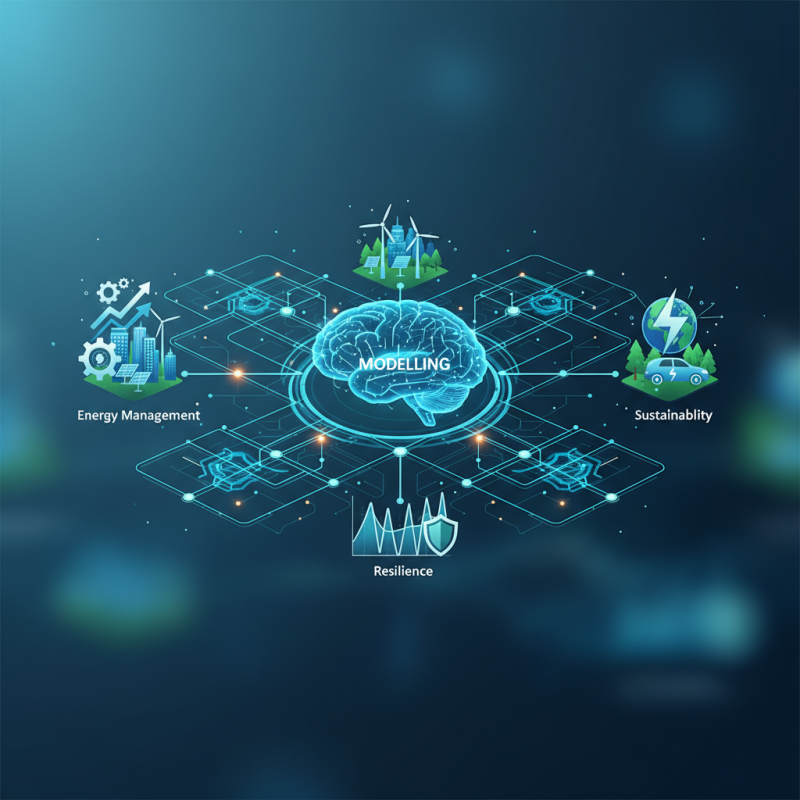
Power systems modelling is an essential instrument in the contemporary landscape of energy management and sustainability. As global energy demands escalate, the intricacies of energy systems are becoming increasingly complex. According to the International Energy Agency (IEA), global energy consumption is set to rise by 30% by 2040, necessitating sophisticated planning and management strategies. Power systems modelling provides the analytical framework needed to forecast, analyze, and optimize energy resources, ensuring that supply meets demand while minimizing environmental impact.
In the context of sustainability, the transition to renewable energy sources is vital. A report from the International Renewable Energy Agency (IRENA) highlights that the share of renewables in the global energy mix must reach 57% by 2030 to mitigate the effects of climate change. Power systems modelling plays a critical role in this transition by enabling decision-makers to simulate various scenarios, assess the integration of diverse generation sources, and evaluate the associated economic and environmental outcomes. By utilizing advanced modelling techniques, stakeholders can develop strategies that not only improve energy efficiency but also enhance the resilience of power systems against the challenges posed by climate change and fluctuating market dynamics.
The Importance of Power Systems Modelling in Energy Management
Power systems modelling is a cornerstone of effective energy management and plays a critical role in promoting sustainability in the energy sector. As global energy demand continues to escalate, driven by urbanization and economic growth, the need for reliable and efficient power systems has never been more crucial. According to the International Energy Agency (IEA), global electricity demand is projected to increase by 60% by 2030, necessitating sophisticated modelling techniques to optimize energy distribution and minimize waste. Such models help in integrating renewable energy sources, assessing their impact on existing grids, and ensuring a stable supply that aligns with environmental targets.
Furthermore, power systems modelling enables utilities and energy managers to simulate various operational scenarios, allowing them to make data-driven decisions that can reduce operational costs and carbon footprints. The U.S. Department of Energy highlights that improved modelling and simulation of power systems could contribute to a 20% reduction in energy losses by 2040. These insights support the transition towards a more sustainable energy landscape by facilitating the efficient management of resources, improving grid reliability, and fostering the integration of innovative technologies like smart grids and energy storage systems. In a world increasingly focused on sustainability, the ability to accurately model power systems is a necessity for creating resilient energy infrastructures and achieving long-term environmental goals.
Why is Power Systems Modelling Essential for Energy Management and Sustainability - The Importance of Power Systems Modelling in Energy Management
| Aspect |
Description |
Impact on Energy Management |
| Load Forecasting |
Predicting future energy demand patterns based on historical data. |
Enables better planning and allocation of energy resources. |
| Renewable Integration |
Modeling the contribution and variability of renewable energy sources. |
Supports the transition to sustainable energy systems and reduces reliance on fossil fuels. |
| Grid Stability Analysis |
Assessing the stability and reliability of the power grid under various conditions. |
Helps in preventing outages and ensuring continuous power supply. |
| Energy Efficiency Measures |
Evaluating the impact of energy-saving initiatives on overall consumption. |
Promotes sustainable energy use and reduces costs. |
| Policy Impact Simulation |
Assessing the implications of energy policies on power systems. |
Informs decision-makers for better regulatory frameworks. |
Key Components of Power Systems Modelling for Sustainable Practices
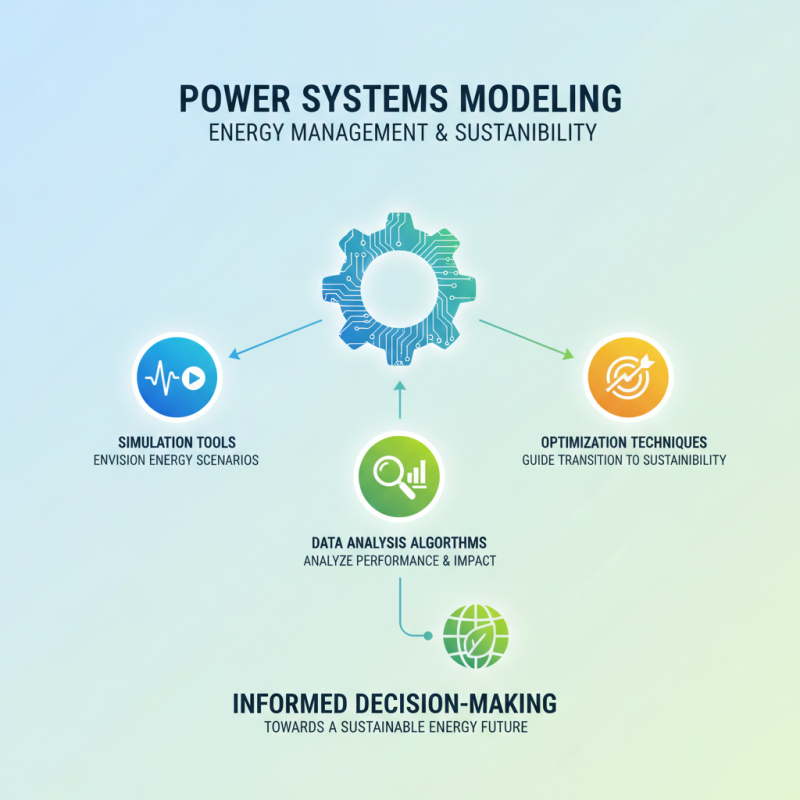
Power systems modelling plays a pivotal role in the realm of energy management and sustainability, serving as a foundation for informed decision-making. The key components of this modelling include simulation tools, data analysis algorithms, and optimization techniques, which work in harmony to analyze various energy scenarios. Accurate simulations help stakeholders envision the impacts of different energy policies and technologies, ultimately guiding the transition towards sustainable energy systems.
Tips: When engaging in power systems modelling, prioritize the integration of real-time data to improve the accuracy of your results. Make use of advanced analytics to assess the performance of renewable energy sources, allowing for better management of resources and infrastructure.
Furthermore, an effective power systems model incorporates renewable energy sources and their variability. This includes understanding how solar and wind energy production fluctuates and how that affects overall grid stability. By considering these dynamics, energy planners can devise strategies to enhance reliability while promoting sustainable practices.
Tips: Collaborate with interdisciplinary teams to gather diverse insights into how different energy sources interact within the system. This approach fosters comprehensive modelling that can better address the complexities of modern energy challenges.
How Power Systems Modelling Enhances Renewable Energy Integration
Power systems modelling plays a critical role in enhancing renewable energy integration, addressing the challenges posed by intermittent energy sources such as solar and wind. By simulating various scenarios within power systems, these models help utilities and policymakers understand how to effectively incorporate large amounts of renewable energy into existing grids. This capability is crucial, as it allows for the optimization of energy flows, ensuring that supply meets demand while maintaining system reliability.
Furthermore, power systems modelling aids in identifying potential operational issues that may arise due to the fluctuating nature of renewable energy sources. For instance, advanced modelling techniques can predict periods of low renewable output, enabling operators to make informed decisions about grid management and storage solutions. By analyzing the interplay of different energy sources and demand patterns, such models contribute to a more resilient and adaptable energy system, ultimately facilitating a smoother transition towards a sustainable energy future.
Case Studies: Successful Applications of Power Systems Modelling
Power systems modeling plays a crucial role in the advancement of energy management and sustainability, as evidenced by various successful case studies. One prominent example is the modeling of integrated renewable energy systems in urban environments. Cities have utilized power systems modeling to optimize the integration of solar and wind sources within their existing infrastructure. By simulating different scenarios, urban planners were able to identify the optimal locations for renewable installations, maximizing energy production while minimizing costs. These models also enabled stakeholders to assess the impact of various energy policies on sustainability goals, leading to smarter, more informed decisions.
Another compelling case study involves the application of power systems modeling in rural electrification projects. In several developing regions, models were developed to analyze the feasibility of mini-grid systems that combine renewable and traditional energy sources. By considering factors such as local energy demand, resource availability, and economic constraints, these models provided insights into the most efficient ways to deliver electricity to underserved communities. This approach not only improved energy access but also fostered sustainable development by encouraging the adoption of clean energy solutions. Such initiatives highlight the transformative potential of power systems modeling in addressing energy challenges while promoting sustainability.
Power Systems Modelling Applications in Energy Management
Future Trends in Power Systems Modelling for Energy Sustainability
The future of power systems modelling is increasingly intertwined with energy sustainability. As global energy demands rise, the need for advanced modelling techniques that consider not just current energy production methods but also future scenarios is paramount. Innovations in artificial intelligence and machine learning are paving the way for more dynamic simulations that can predict energy consumption patterns, integrate renewable energy sources, and optimize grid operations. These tools can facilitate a more resilient and flexible energy system, capable of adapting to fluctuating demands and interruptions.
In addition, the integration of smart grid technologies is reshaping the landscape of power systems modelling. Future models will not only focus on the technical aspects of energy distribution but also incorporate social and economic factors that drive energy consumption. This holistic approach enables stakeholders to make informed decisions about resource allocation, pricing, and the implementation of sustainable practices. As regulatory frameworks evolve and the push towards carbon neutrality intensifies, power systems modelling will play a critical role in prompting innovations that maximize energy efficiency and minimize environmental impacts.
 Employee Login
  Contractors Induction