Why Do You Need a Vehicle Power Inverter for Your Car?
In today’s fast-paced world, staying connected is crucial. Many people rely on devices during road trips or commutes. Here, a vehicle power inverter becomes essential. According to industry reports, over 70% of travelers use portable electronics in their cars. This growing reliance highlights the need for a reliable power source.
A vehicle power inverter transforms your car’s DC power into AC power. This allows you to charge laptops, tablets, and other devices. The versatility of such inverters can enhance your travel experience. However, not all inverters are created equal. Many users end up purchasing the wrong type, leading to frustration.
Investing in a quality inverter can prevent these issues. A good unit ensures safety and efficiency. Reliable options can support multiple devices at once. Despite this, some people overlook their importance, risking inconvenience on the road. Understanding your power needs is vital for anyone who spends time in a vehicle.
Understanding the Basics of Vehicle Power Inverters
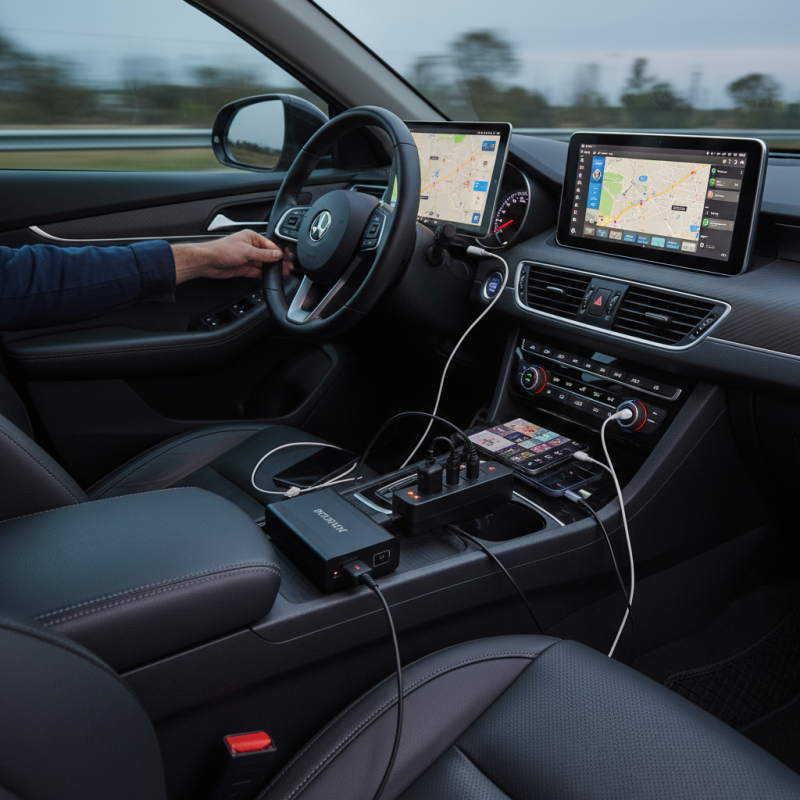
A vehicle power inverter is a useful device that converts DC power from a car battery into AC power. This allows you to use standard electrical devices while on the road. For instance, many travelers need electricity for laptops, cameras, and mobile devices. Recent data suggests that 70% of drivers often use their vehicles for trips where access to traditional power sources is limited.
Using a power inverter means that long road trips can be more enjoyable and productive. Some inverters can provide up to 300 watts of power, enough for small appliances. It's essential to choose the right inverter based on your needs. However, not all inverters are created equal. Poor quality inverters can cause voltage issues or lead to device damage.
Understanding the specifications is crucial. Look for inverters with built-in safety features. Devices without surge protection might fail during usage. Research indicates that only 40% of users fully understand the specifications of their inverters. With proper knowledge, you can maximize the benefit of a power inverter while minimizing potential risks. Consider how often you travel and the power you need. Make sure your choice aligns with your lifestyle for the best experience.
Why Do You Need a Vehicle Power Inverter for Your Car? - Understanding the Basics of Vehicle Power Inverters
| Feature | Description | Benefits |
| Power Output | Typically ranges from 150W to 3000W | Run multiple devices like laptops, phones, and small appliances |
| Type of Inverter | Modified Sine Wave vs. Pure Sine Wave | Pure sine wave inverters provide cleaner power for sensitive electronics |
| Portability | Compact and designed for vehicle use | Easily transportable for outdoor activities or emergencies |
| Safety Features | Includes protection against overload, short circuit, and overheat | Prevents damage to your devices and maintains safe operation |
| Installation | Plug-and-play or hardwired options available | Flexible installation allows for various vehicle types |
Types of Vehicle Power Inverters and Their Applications
When it comes to vehicle power inverters, understanding the types available is key. There are primarily two types: pure sine wave inverters and modified sine wave inverters. Pure sine wave inverters provide a smooth power output. They are ideal for sensitive electronics, such as laptops and medical devices. On the other hand, modified sine wave inverters are suitable for basic applications like charging a phone or running simple tools.
According to industry reports, the use of vehicle power inverters has surged by 25% in the last four years. People rely on inverters for on-the-go power, allowing flexibility. However, some drivers still underestimate power requirements. Using a power inverter that doesn't meet the demand can lead to overheating or damage. Many don’t consider the capacity needed when connecting multiple devices.
Applications vary widely. Campers and RV users often depend on inverters for appliances like microwaves or refrigerators. Meanwhile, construction workers prefer smaller models for tools and devices. A report noted that 60% of vehicle owners use inverters for recreational purposes. Despite the popularity, there’s room for improvement in awareness about inverter compatibility and safety practices. Users should understand their needs better to choose wisely.
Benefits of Using a Power Inverter in Your Vehicle
When traveling, having a vehicle power inverter can be a game changer. It allows you to power devices requiring AC current. Whether it's a laptop, a mini-fridge, or a gaming console, the inverter provides convenience. A study indicated that nearly 70% of drivers use electronic devices while on the road. Imagine stopping for a break and still being connected.
Power inverters also promote safety. According to industry research, distracted driving incidents have increased by 25% in recent years. By using an inverter, you can typically charge devices while safely parked. It reduces the temptation to use gadgets while driving. This small adjustment can enhance road safety.
Another significant benefit is the versatility of power sources. A car inverter can draw power from your vehicle’s battery. You can use it for camping, tailgating, or simply during long road trips. Some models can supply up to 2000 watts. However, draining the battery is a concern. It’s vital to monitor usage. Overuse can leave you stranded. The inverter’s power can be very useful, but caution is essential.
Benefits of Using a Vehicle Power Inverter
How to Choose the Right Power Inverter for Your Needs
Choosing the right power inverter for your car is crucial. Consider your device's needs first. Think about what devices you plan to power. A high-watt device requires a strong inverter. Smaller gadgets need less power, so a lower wattage will suffice.
Tip: Always overestimate your power needs. It’s better to have excess capacity than to find yourself short at a critical moment. If you travel often, a portable inverter might be wise. This gives you flexibility for different power needs.
Don’t forget about the inverter type, too. There are modified sine wave and pure sine wave inverters. Modified sine waves work for simple devices but can cause issues with sensitive electronics. Generally, pure sine inverters are more versatile.
Tip: Check the output ports. Some inverters have multiple USB ports. If you carry many devices, this feature is handy. Look for inverters with built-in safety features. It might save you from potential hazards or even device damage.
Safety Tips for Using a Vehicle Power Inverter
Using a vehicle power inverter in your car can enhance your travel experience. However, safety should always come first. The National Fire Protection Association reports that over 26,000 vehicle fires occur annually, often due to electrical issues. Therefore, knowing how to safely use an inverter is crucial.
Ensure your inverter matches your car's power capacity. Many inverters can produce 400 watts to 2,000 watts. Exceeding this limit may lead to overheating or fires. Also, avoid overloading circuits. If you're powering multiple devices, check the total wattage. Keep the inverter in a well-ventilated area. Heat buildup can damage the device or the vehicle.
Use quality extension cords designed for automotive use. Poor-quality cords can lead to short circuits. Regularly inspect both the inverter and wiring for wear and tear. Failure to do so might cause dangerous malfunctions. Be mindful of your surroundings while using devices. Distracted driving is a significant cause of accidents, with more than 390,000 injuries each year. Stay aware and prioritize safety on the road.
 Employee Login
  Contractors Induction