Best Medium Voltage Power Systems for Efficient Energy Solutions?
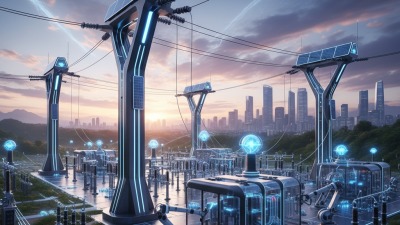
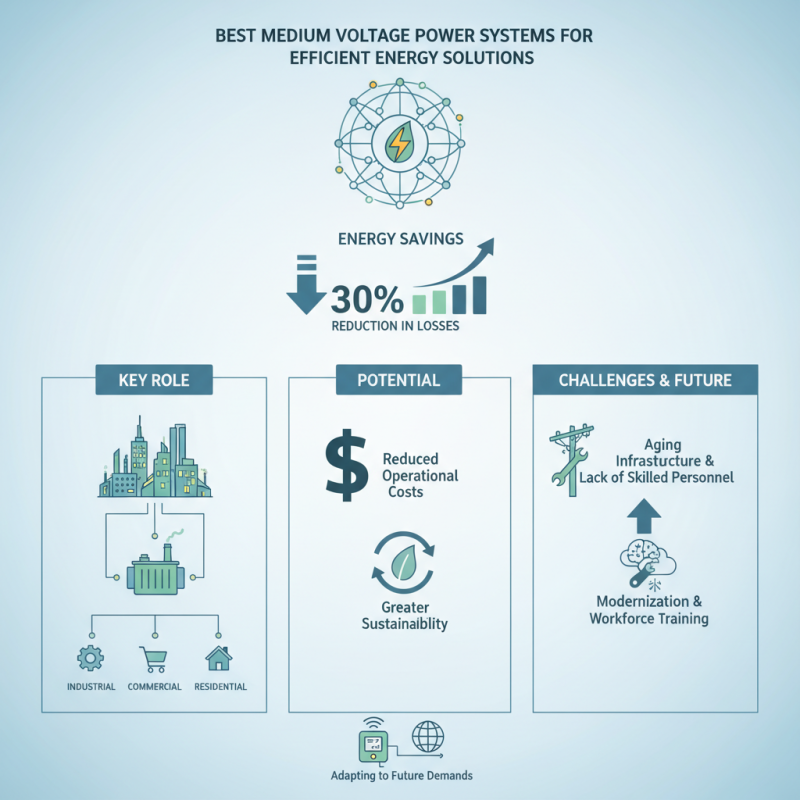
Medium voltage power systems play a crucial role in modern energy solutions. According to recent industry reports, these systems account for a significant portion of global energy distribution. They provide efficient and reliable power supply in various sectors, including industrial, commercial, and residential applications.
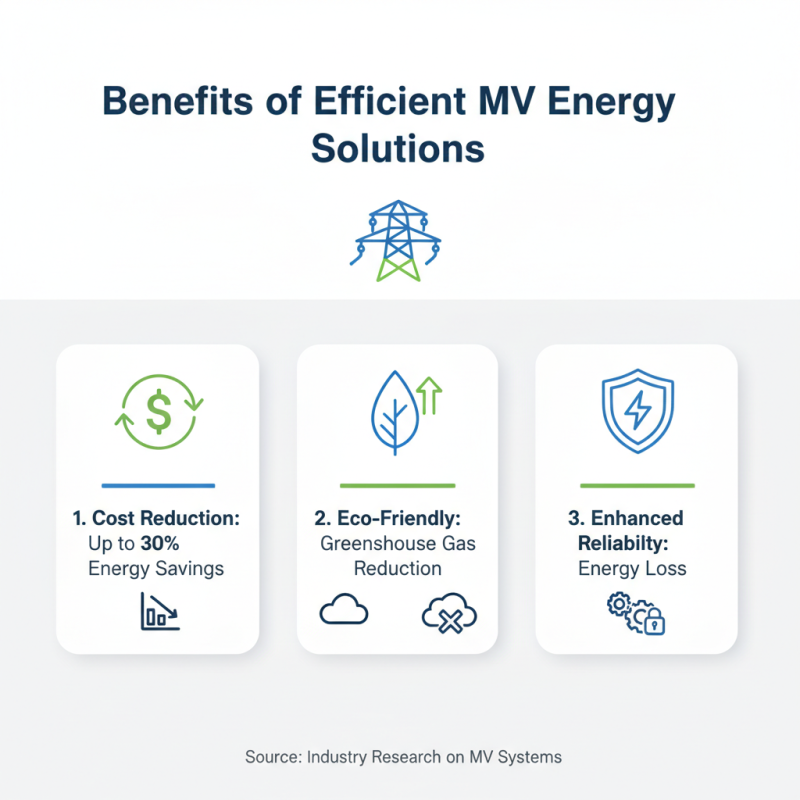
As energy demands grow, the need for efficient solutions intensifies. Medium voltage systems are often overlooked, yet they hold immense potential for energy savings. Studies show that optimizing these systems can lead to a reduction in electrical losses by up to 30%. This efficiency can result in reduced operational costs for businesses and greater sustainability.
However, the integration of advanced technologies into medium voltage power systems is not without challenges. Aging infrastructure and a lack of skilled personnel contribute to inefficient operations. Investing in modernization and workforce training is essential for harnessing the full potential of these systems. As the landscape of energy management evolves, medium voltage power systems must adapt to meet future demands.
Overview of Medium Voltage Power Systems
Medium voltage power systems play a crucial role in modern energy solutions. These systems typically operate between 1 kV and 36 kV, bridging the gap from high voltage transmission to low voltage distribution. According to the International Energy Agency, the demand for medium voltage solutions is expected to grow by 25% in the next five years. This growth reflects the push towards sustainable energy practices.
Efficient energy management is essential for industries aiming to reduce operational costs. Medium voltage systems can enhance energy efficiency by minimizing losses during transmission. Data from recent studies indicate that facilities using advanced medium voltage systems can reduce energy loss by up to 15%. However, many industries still struggle with outdated infrastructure, leading to inefficiencies and increased operational challenges. Investment in modern medium voltage technology is often seen as expensive, but the long-term savings and reliability can be significant.
The integration of smart technologies is essential in optimizing medium voltage systems. Real-time monitoring tools can provide insights into operational efficiency. However, many organizations fail to implement these technologies, missing out on potential benefits. A proactive approach is needed in adopting these solutions, as the failure to innovate can result in lost opportunities for energy savings and sustainability. Addressing these gaps requires industry-wide collaboration and a commitment to modernization.
Key Components of Medium Voltage Power Systems
Medium voltage power systems play a pivotal role in modern energy solutions. These systems typically operate between 1 kV and 35 kV. They efficiently distribute electricity for various applications, ensuring reliability and performance. Essential components include transformers, switchgear, and circuit breakers.
Transformers are crucial in stepping down high voltages to manageable levels. This ensures safety and protects equipment from voltage surges. Switchgear, on the other hand, controls and protects electrical equipment. It acts as a gateway for electricity flow and allows for isolation during maintenance. Circuit breakers safeguard against overloads. They automatically disconnect faulty circuits, preventing potential damage.
In recent years, integration with renewable energy sources is essential. This adds complexity but enhances sustainability. Adapting to these changes can be challenging. Traditional systems often struggle with fluctuations caused by renewable energy. Continuous innovation is necessary to improve efficiency and reliability. It's vital to look at both current technologies and future needs.
Best Medium Voltage Power Systems for Efficient Energy Solutions
Applications and Industries Utilizing Medium Voltage Systems
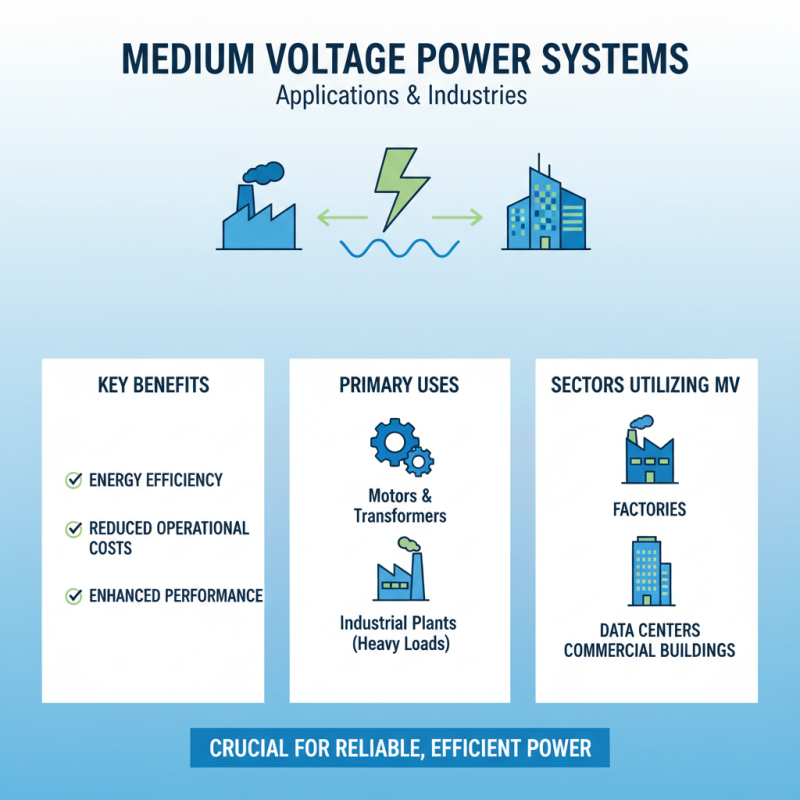
Medium Voltage Power Systems play a crucial role across various industries. Facilities such as factories, data centers, and commercial buildings frequently utilize medium voltage solutions. These systems improve energy efficiency, reduce operational costs, and enhance performance. For example, industrial plants often rely on medium voltage systems for motors and transformers. This ensures smooth operations while handling heavy loads.
Another significant application is in renewable energy. Wind farms and solar plants use medium voltage systems to connect to the grid. They help manage the intermittent nature of renewable resources. However, integrating these systems does pose challenges, such as ensuring grid stability and reliability. Companies must carefully evaluate their energy demands and infrastructure capabilities before implementation.
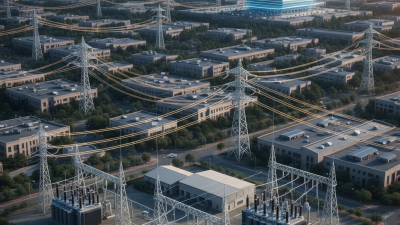
Moreover, utilities depend on medium voltage power systems for distribution networks. This network is vital for delivering electricity to residential and commercial users. It is not without flaws, though. Older infrastructure may struggle to handle the increasing energy demands. Continuous upgrades and evaluations are necessary to maintain service quality and avoid outages. The transition to modernized systems requires significant investments and expertise.
Best Practices for Maintaining Medium Voltage Power Infrastructure
Maintaining medium voltage power infrastructure is crucial for ensuring reliable energy solutions. According to a report by the International Energy Agency, nearly 30% of power system failures are linked to inadequate maintenance practices. Regular inspections, testing, and condition monitoring are essential to mitigate such risks.
Proper training for maintenance personnel is often overlooked. A well-trained team can significantly reduce downtime and improve system efficiency. Statistics show that organizations investing in workforce training experience up to a 15% reduction in operational incidents. Additionally, it’s important to employ advanced diagnostic tools. Many facilities still rely on outdated methods, which can lead to missed opportunities for preventive care.
Implementation of predictive maintenance strategies is gaining traction. However, many power systems still engage in reactive maintenance, which can be costly. For example, the cost of unplanned outages can reach millions of dollars per incident. A survey revealed that 58% of power companies are exploring new technologies but only 22% have integrated them fully. This gap highlights the need for a shift in focus towards proactive measures and technology adoption in medium voltage power systems.
 Employee Login
  Contractors Induction