How to Choose the Right Medium Voltage Distribution System?
Selecting the right medium voltage distribution system is crucial for optimizing energy efficiency. According to the International Energy Agency, 54% of electricity is distributed through medium voltage systems globally. This highlights their significant role in electrical infrastructure. A well-chosen system can improve reliability and reduce operational costs, which are vital for industrial facilities.
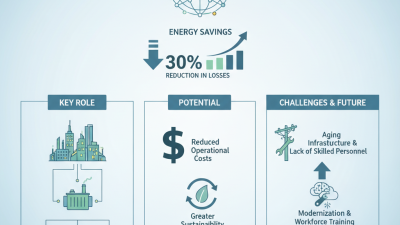
However, many organizations struggle with this choice. They often overlook key factors such as load requirements, system configuration, and potential future expansion. A report from the Electric Power Research Institute indicates that improper medium voltage system selection can lead to up to a 30% increase in energy losses. This shows the need for a meticulous selection process.
Hands-on experience in system design and a thorough understanding of current technologies are essential. Poor decisions can lead to outages or inefficiencies. Evaluating options based on real-world performance is important, yet often underprioritized. Striking the right balance between initial costs and long-term benefits is challenging but necessary.
Understanding Medium Voltage Distribution Systems and Their Importance
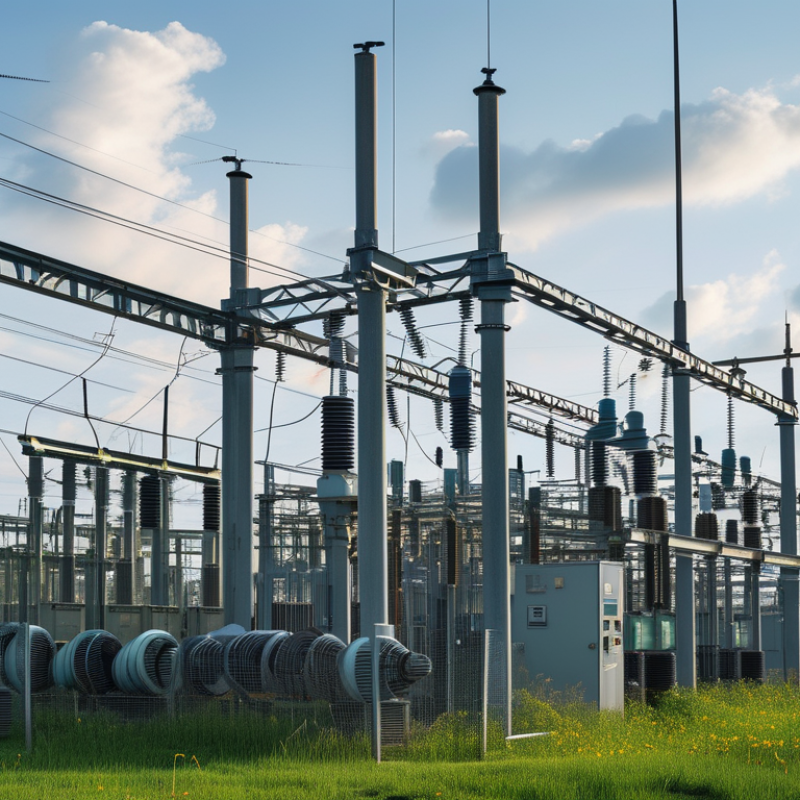
Understanding medium voltage distribution systems is crucial for effective electrical management. These systems typically operate between 1 kV and 35 kV. They play a vital role in delivering electricity from substations to end-users. Selecting the right system impacts efficiency and reliability. It is essential to evaluate the load requirements before making a decision.
Various factors come into play when assessing these systems. For instance, local regulations may dictate specific design requirements. Additionally, environmental conditions can affect the durability and safety of the installation. Understanding these details helps avoid potential pitfalls.
Medium voltage systems require proper maintenance and monitoring. Regular inspections can reveal weaknesses or inefficiencies. Many operators overlook this, leading to unnecessary outages. Investing in training for personnel is equally important. Knowledgeable staff can address issues promptly and effectively. This aspect of management is often underestimated but is vital for the long-term success of the distribution network.
Key Factors in Selecting a Medium Voltage Distribution System
Choosing the right medium voltage distribution system requires a careful evaluation of several key factors. Understanding the load requirements is critical. Accurate load calculations ensure that the system can handle current demands without issues. Seasonal changes may affect these loads. Therefore, flexibility in design is essential.
The layout of the installation site plays a vital role in decision-making. Space constraints or environmental conditions can limit options. A well-planned layout minimizes disruptions and enhances safety. It is also important to consider maintenance access. Systems should allow for easy inspections and repairs.
Another factor is the system’s integration with existing infrastructure. Compatibility can prevent unexpected costs and delays. It may be beneficial to consult industry standards for guidelines. These documents provide insights into best practices. Finally, evaluating potential future growth ensures that the system will remain sustainable over time. Investing time in this planning stage can save significant resources later on.
Comparative Analysis of Different Medium Voltage Technologies
Choosing the right medium voltage distribution system requires a thorough understanding of available technologies. The landscape includes conventional overhead systems, underground cables, and smart grid solutions. Research shows that underground systems, while more costly, offer enhanced safety and reduced maintenance. A study by the Electric Power Research Institute indicates that 90% of electrical outages occur due to issues in overhead lines.
Smart grid technologies are gaining traction. According to a report by the International Energy Agency, these systems can improve reliability by up to 30%. They utilize advanced sensors and automation. However, initial implementation costs can be high, and the transition requires skilled personnel. Many companies face challenges integrating these systems into existing infrastructure.
Balancing cost, reliability, and safety is crucial. Each technology has its pros and cons. Overhead systems may seem economical, but hidden maintenance costs are often overlooked. Factors like local climate and population density impact the choice of technology. Decision-makers should consider these aspects carefully.
Industry Standards and Regulations Impacting Medium Voltage Systems
When selecting a medium voltage distribution system, industry standards and regulations are crucial. Understanding these frameworks ensures compliance and safety. Key standards often include IEEE, IEC, and ANSI. Each has specifications for design, operation, and maintenance that must be adhered to. Non-compliance can lead to operational inefficiencies and safety hazards.
Tips: Always check for updates in regulations. Standards can evolve, impacting your system’s reliability. Conduct periodic reviews to ensure your installations meet current criteria.
Internationally, medium voltage systems face varied regulations. Local codes could introduce additional requirements. For example, emergency protocols differ between regions. These differences can confuse engineers and technicians. If not considered properly, they can compromise system efficacy.
Tips: Engage with local authorities. They can provide insights into specific regulations in your area. A thorough understanding prevents costly mistakes and project delays. Forming relationships with regulatory bodies fosters a culture of compliance and safety.
Cost-Benefit Considerations for Medium Voltage Distribution Solutions
When selecting a medium voltage distribution system, cost-benefit analysis plays a crucial role. Companies often face tight budgets. Investment in a reliable system can yield significant long-term savings. A well-chosen distribution solution can reduce energy losses and operational costs. However, the initial expenses can be high.
It’s essential to evaluate both direct and indirect costs. For instance, installation costs must be factored in. Maintenance plays a critical role, too. Systems requiring frequent repairs can drain resources. Assessing the lifespan of the medium voltage equipment is vital. Ideally, it should last many years without major overhauls.
Consider the potential for future expansion. A system that accommodates growth saves money in the long run. Yet, some systems may appear cheaper up front but lack scalability. This could lead to higher costs later. Therefore, careful planning and analysis are necessary. Balancing quality and budget is a complex task. It requires thorough research and expert input.
Cost-Benefit Analysis of Medium Voltage Distribution Systems
 Employee Login
  Contractors Induction