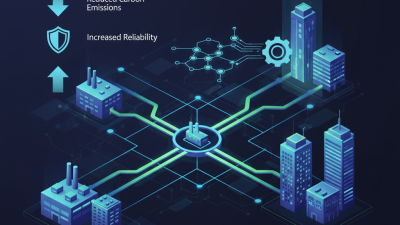
Top 10 Medium Voltage Distribution System Benefits for Buyers?
In the evolving landscape of power distribution, the advantages of a medium voltage distribution system are becoming clearer. Renowned expert Dr. Sarah Thompson, a leading authority in electrical engineering, has emphasized, “The medium voltage distribution system is pivotal for efficient energy management." This insight speaks volumes about its significance in modern infrastructure.
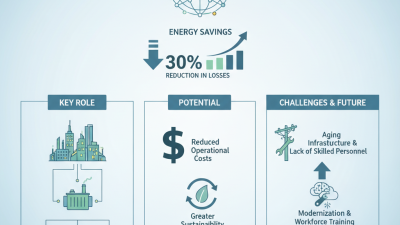
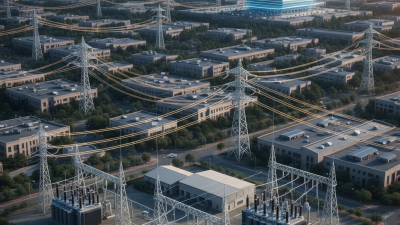
Medium voltage systems operate typically between 1 kV and 35 kV, bridging the gap between high-voltage transmission and low-voltage distribution. They enhance reliability and efficiency, making them a preferred choice for industries and utilities. A robust medium voltage distribution system reduces losses, ensuring that energy supply aligns with demand.
Buyers increasingly recognize these systems for their adaptability and cost-effectiveness. However, not all implementations achieve optimal performance. Selecting the right components and maintenance strategies is crucial. The potential for improvement remains a focus for many organizations as they navigate this complex terrain. The benefits are evident, but the journey may still have bumps along the way.
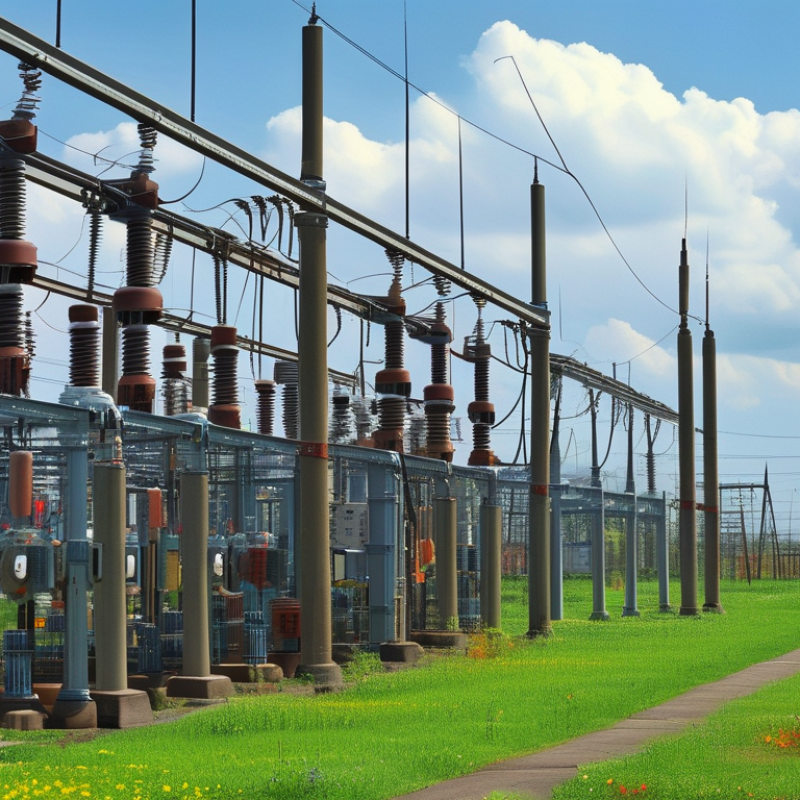
Understanding Medium Voltage Distribution Systems
Medium voltage distribution systems play a vital role in modern electrical infrastructure. These systems typically operate between 1 kV and 34.5 kV. They provide reliable electricity for commercial and industrial applications. According to a report by the International Council on Large Electric Systems, approximately 20% of electrical energy losses occur in distribution networks, highlighting the importance of efficient medium voltage solutions.
The deployment of medium voltage systems can significantly enhance operational efficiency. Data from the U.S. Department of Energy indicates that upgraded systems can improve overall energy efficiency by 10-15%. These systems not only reduce energy losses but also enhance voltage stability. Improved reliability in power supply can minimize downtime, which is crucial for industries reliant on constant power.
However, not all installations are problem-free. Some medium voltage systems may face challenges, such as maintenance complexities and initial setup costs. A study from the Electric Power Research Institute found that improperly designed systems could lead to performance issues, potentially negating benefits. Understanding the intricacies and needing proper planning is essential for optimizing these distribution systems.
Enhanced Reliability and Safety in Power Distribution
Enhancing reliability and safety in power distribution is crucial for any organization. Medium voltage distribution systems offer several advantages in this aspect. These systems provide a more stable and consistent power supply. With lower voltage levels, the risk of electrical shocks decreases significantly. This creates a safer environment for both employees and equipment.
The technology used in these systems is designed with safety in mind. Enhanced insulation materials and advanced circuit protection devices help mitigate risks. Regular maintenance and monitoring further ensure optimal performance. However, there can be challenges in implementing these systems. Upfront costs and the need for specialized knowledge can be daunting.
Balancing these factors is essential. Ultimately, investing in a medium voltage distribution system can lead to fewer outages. This reliability not only preserves productivity but also protects assets. Users must weigh the benefits against potential obstacles, making informed decisions for their specific needs.
Cost Efficiency and Long-term Savings for Buyers
Medium voltage distribution systems offer significant cost efficiency for businesses. These systems reduce energy losses and improve reliability. Buyers can save on operation costs by investing in quality infrastructure. Lower maintenance needs further enhance savings. Efficient systems lead to smooth operations, allowing for better resource allocation.
In addition, reliable power supply reduces downtime. Downtime can be costly and disrupt production schedules. A well-designed medium voltage system minimizes these risks. It allows businesses to function seamlessly. However, initial investment may seem high, which can be daunting. Long-term savings often offset these costs.
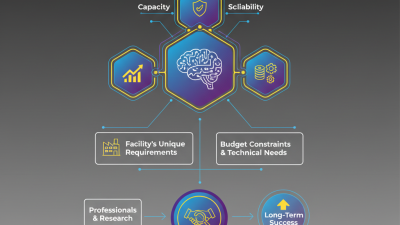
Understanding both immediate and future expenses is vital. Buyers should analyze total cost of ownership carefully. The investment’s longevity and performance play a crucial role. Some systems may require updates, which could lead to unexpected expenses. Evaluating options thoroughly ensures buyers avoid pitfalls. This reflective approach leads to informed decisions.
Flexibility and Scalability in Energy Management
Medium voltage distribution systems offer remarkable flexibility and scalability in energy management. By seamlessly integrating with existing infrastructures, they allow businesses to adapt to changing energy demands. This adaptability is critical as energy consumption patterns evolve. With a medium voltage system, organizations can expand or modify their electrical distribution without significant overhauls.
Utilizing smart technology further enhances this flexibility. Intelligent monitoring systems can track energy use in real-time. This means that businesses can quickly make informed decisions on energy distribution. It reduces waste and optimizes performance. However, companies must ensure their systems are compatible with new technologies. A lack of integration can lead to inefficiencies that impact savings.
Many buyers overlook the importance of scalability. A medium voltage system should accommodate future growth. This could be through additional loads or even the integration of renewable energy sources. When planning for expansion, consider the current and future energy needs. Balancing these requirements is vital for long-term viability. Potential barriers, like financial constraints and infrastructure limitations, must also be assessed carefully.
Environmental Benefits and Sustainability Considerations
Medium Voltage Distribution Systems offer significant environmental benefits. These systems enable efficient energy distribution, reducing overall power loss. By minimizing energy wastage, organizations can lower their carbon footprints. This aligns with global sustainability goals, promoting cleaner energy use.
Investing in such systems enhances energy reliability. They integrate renewable energy sources more easily, allowing for cleaner alternatives. Transitioning to greener technologies might seem challenging, but the long-term benefits are clear. Some companies struggle with initial costs, yet they often save money in the long run through efficiency gains.
Adopting medium voltage solutions can also lead to improved air quality. Reduced emissions translate to better health outcomes. Communities benefit directly from these changes. It prompts a shift towards sustainable practices, encouraging both businesses and consumers to rethink their energy consumption habits. The path may not always be straightforward, but the commitment to sustainability reshapes our environment for the better.
Top 10 Medium Voltage Distribution System Benefits
 Employee Login
  Contractors Induction